If this is a life-threatening emergency, call 911 immediately.
Chest pain, severe difficulty breathing, stroke symptoms, major bleeding, or loss of consciousness require emergency medical services. This page describes non-emergency care delivered at home by skilled nurses.
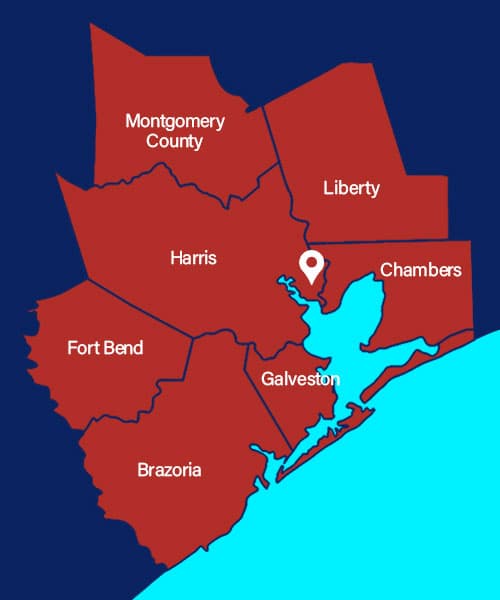
Serving Harris County, Texas
If you or a loved one has COPD, you know the cycle: breathing gets worse, anxiety kicks in, and the next thing you know you're in the ER. Many COPD exacerbations can be managed at home with the right nursing support — preventing a hospital admission and the downward spiral that often follows.
Our respiratory-trained nurses come to your home to assess your breathing, manage your oxygen therapy, administer nebulizer treatments, coordinate medication changes with your pulmonologist, and teach you the techniques that help you stay in control. We monitor your peak flow readings, oxygen saturation, and symptom patterns over time so we can catch a flare-up early — before it becomes a crisis.
We serve these communities in Harris County:
Houston · Pasadena · Baytown · Deer Park · La Porte · Channelview · Humble · Atascocita · Spring · Katy · Cypress · Tomball
We coordinate with these local facilities:
Houston Methodist Baytown · St. Luke's Health Baytown · Memorial Hermann Southeast · HCA Houston Healthcare Pearland · Ben Taub Hospital · Houston Methodist Hospital · Texas Children's Hospital · MD Anderson Cancer Center
Is this you?
You might need this if…
What happens next
What we do
Response Time
An RN is on call 24/7. Most patients receive their first visit within 24-48 hours of referral.
24/7 RN On Call
Medicare 4.5-Star Rated
Serving SE Texas since 1995
Insurance & Coverage
We accept Medicare &
major advantage plans
Our team verifies your coverage and handles the paperwork so you can focus on healing. Not sure about your plan? Call us — we'll help you understand your benefits.
Common questions
Frequently Asked Questions
If you're experiencing severe difficulty breathing, your lips or fingertips are turning blue, or you can't speak in full sentences, call 911. For worsening symptoms that don't meet that threshold, call our 24/7 RN line and we'll help you determine the right level of care.
Our nurses follow your physician's orders for oxygen therapy and can coordinate changes in real time. We also assess whether your current equipment is meeting your needs.
That's the goal. Studies show that skilled home health management of COPD significantly reduces 30-day readmissions by catching exacerbations early and keeping patients on their treatment plans.
Also available nearby
COPD Flare-Up Care at Home in neighboring counties
Ready to get care in Harris County?
Contact us today. A nurse is always available to discuss whether home care is right for your situation.
For life-threatening emergencies, always call 911.