If this is a life-threatening emergency, call 911 immediately.
Chest pain, severe difficulty breathing, stroke symptoms, major bleeding, or loss of consciousness require emergency medical services. This page describes non-emergency care delivered at home by skilled nurses.
Understanding Care After a Fall
What you should know
Falls are the leading cause of injury among older adults, and the consequences extend far beyond the immediate injury. A fall often triggers a cascade: the injury itself, hospitalization, deconditioning from bed rest, fear of falling again, reduced activity, further weakness, and increased risk of another fall.
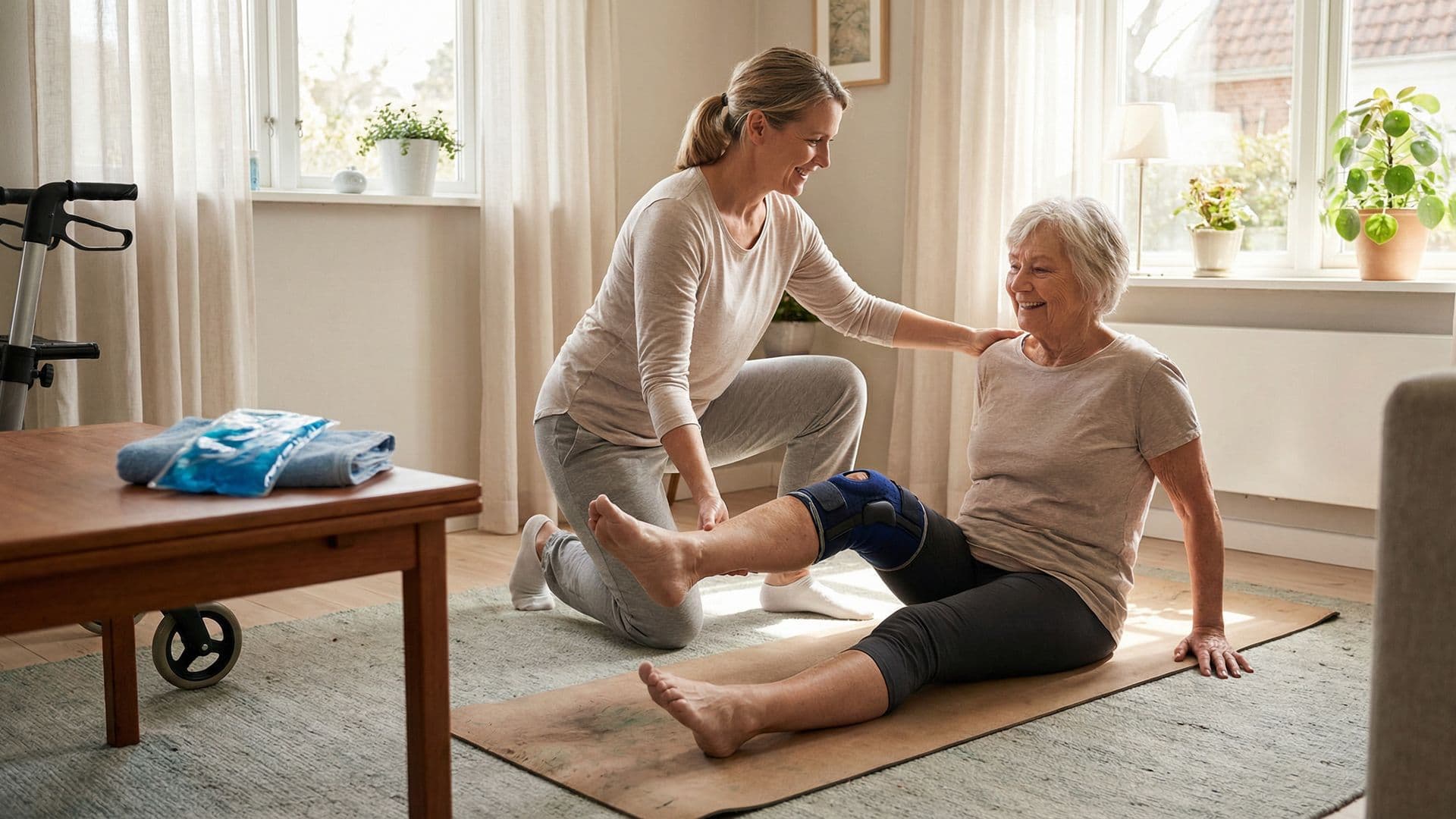
Breaking this cycle requires a comprehensive approach. Our physical therapists assess balance, gait, and strength to design a rehabilitation program that rebuilds confidence and capability. Our occupational therapists evaluate your home for fall hazards and recommend modifications. And our nurses manage pain, monitor healing, and coordinate with your physician on the full recovery plan.
Whether you've broken a hip, fractured a wrist, or had a fall without fracture but with new fear and mobility limitations, our team helps you get back on your feet safely.
Warning signs
You may need care if…
Your care plan
How we help at home
Expert care for care after a fall,
delivered to your home
Our clinicians bring hospital-level expertise to the comfort and safety of where you live.
Common questions
Care After a Fall — Common Questions
Our approach is multi-layered: physical therapy improves balance and strength, occupational therapy addresses home hazards (rugs, lighting, grab bars), we review medications that increase fall risk (sedatives, blood pressure medications), and we build confidence through progressive challenge. Studies show this comprehensive approach reduces fall risk by 20–30%.
That depends on the injury and your baseline mobility. Our physical therapist assesses what level of assistive device is appropriate — from no device to a cane to a walker — and ensures it's properly fitted. Using the wrong device (or one that's poorly adjusted) can actually increase fall risk.
Related services
Services involved in your care
These are the clinical services our team may use when managing care after a fall at home.
Orthopedic Care
Post-surgical and rehabilitative care for joint replacements, fractures, and musculoskeletal conditions.
Learn more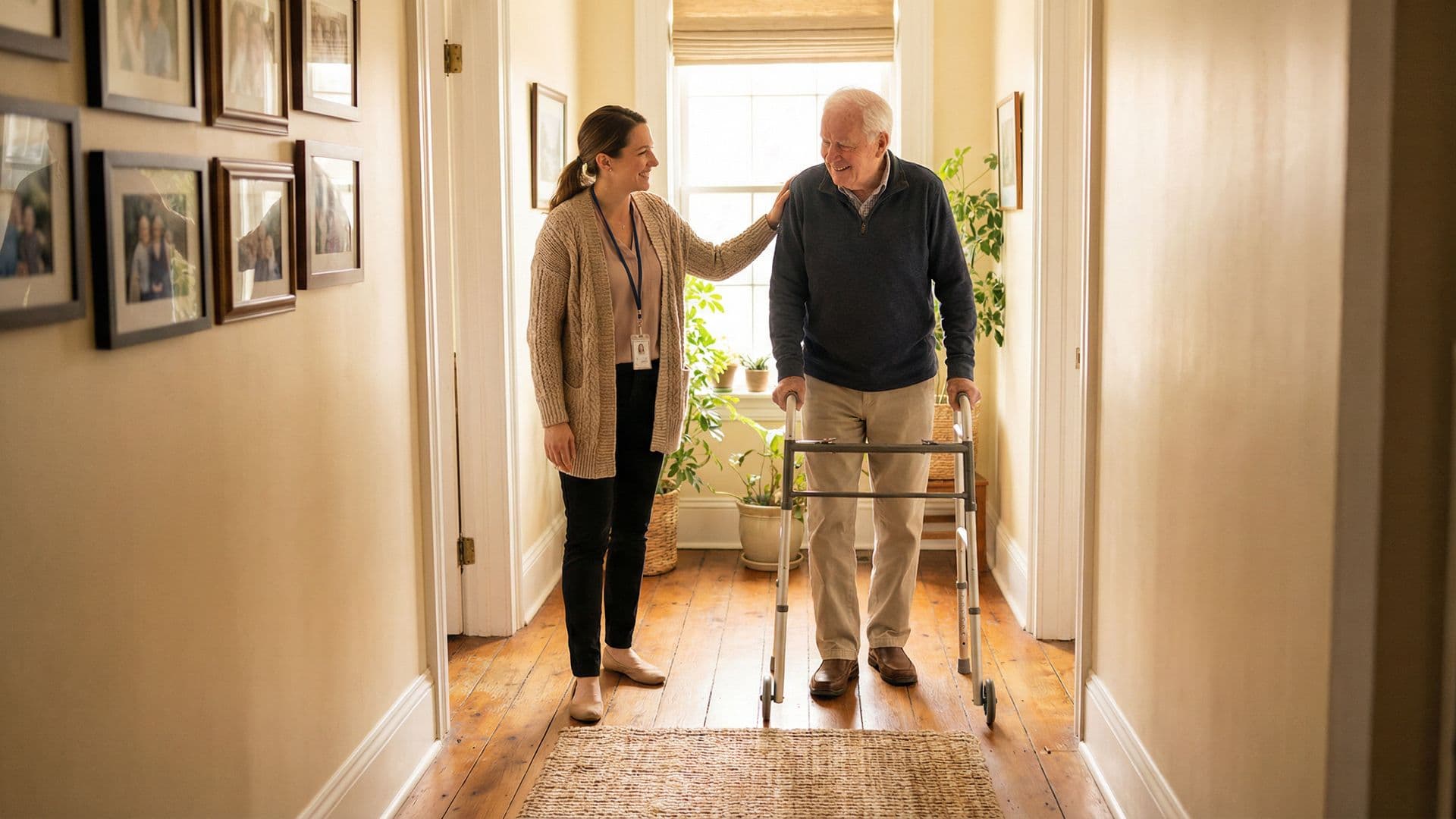
Physical Therapy
Our licensed physical therapists help restore activity, strength, and motion following illness, injury, or surgery with personalized treatment plans.
Learn more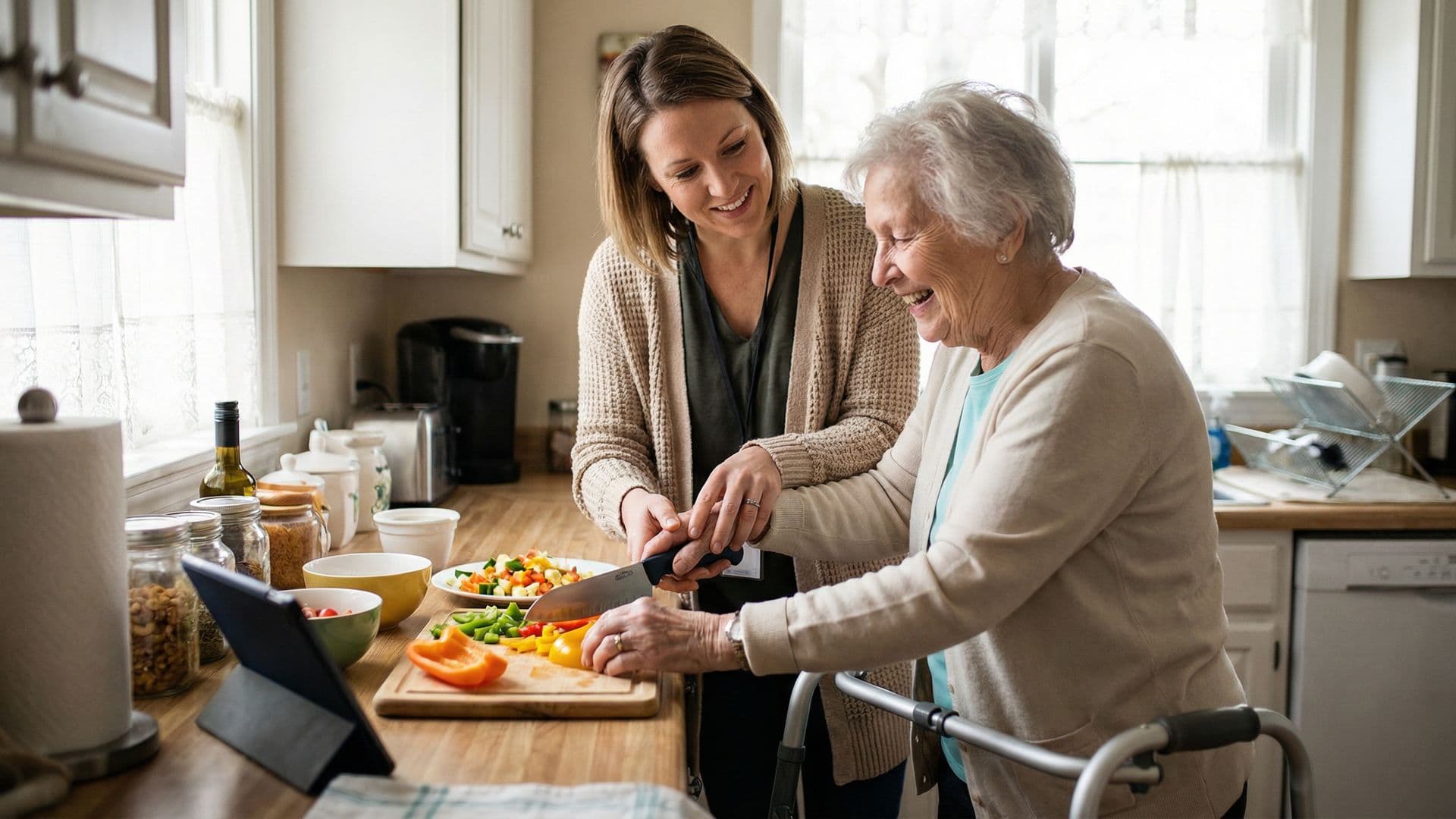
Occupational Therapy
Helping patients of all ages regain independence in everyday activities through therapeutic techniques and adaptive strategies.
Learn more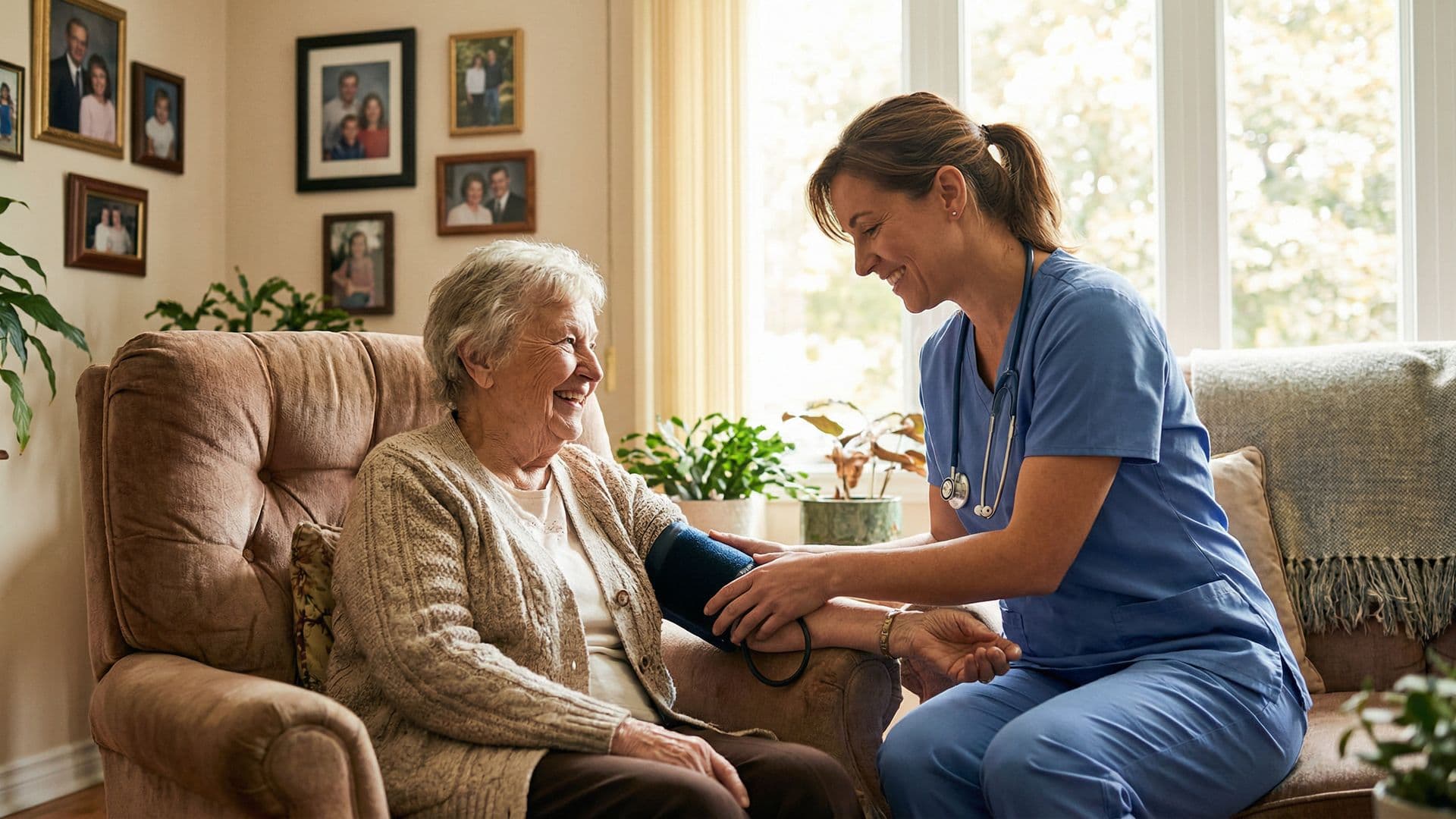
Skilled Nursing Care
Our registered nurses provide comprehensive medical care in the comfort of your home, ensuring safety, comfort, and optimal health outcomes.
Learn moreGet help with care after a fall at home
Our experienced clinicians provide expert musculoskeletal care in the comfort of your home. Contact us today to discuss your needs.
For life-threatening emergencies, always call 911.