If this is a life-threatening emergency, call 911 immediately.
Chest pain, severe difficulty breathing, stroke symptoms, major bleeding, or loss of consciousness require emergency medical services. This page describes non-emergency care delivered at home by skilled nurses.
Understanding Fall Risk Assessment
What you should know
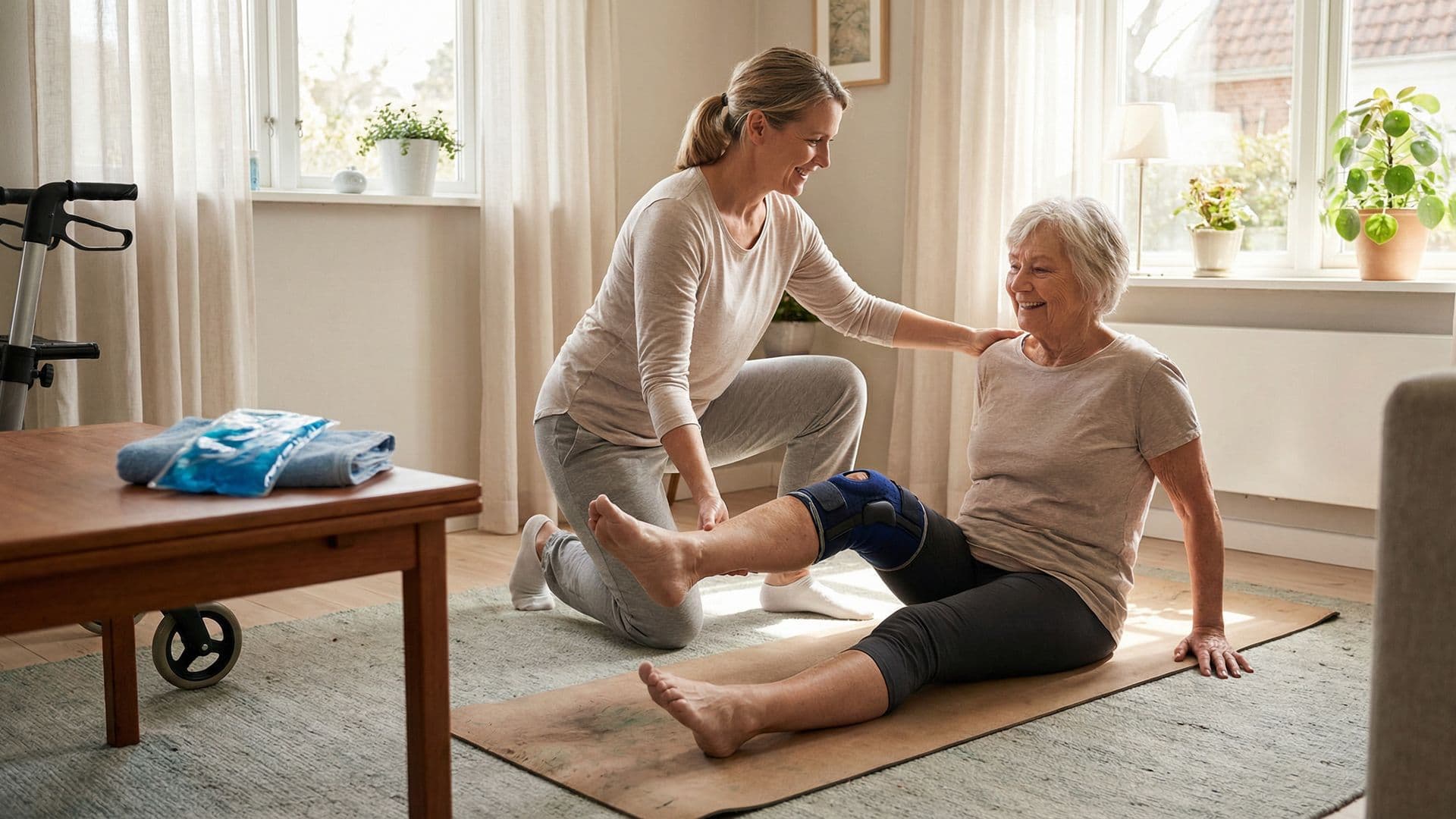
A fall risk assessment is a proactive evaluation designed to identify factors that increase your likelihood of falling — before a fall occurs. For older adults, falls are not random accidents; they result from predictable, modifiable risk factors including muscle weakness, balance problems, medication side effects, vision changes, and environmental hazards.
Our assessment covers three domains: your body (balance, strength, gait, vision, cognition), your medications (drugs that cause dizziness, drowsiness, or low blood pressure), and your environment (home hazards like loose rugs, poor lighting, lack of grab bars). Based on the assessment, we create a personalized fall prevention plan.
This isn't a one-time check. Our therapists implement the plan through physical therapy to improve balance and strength, occupational therapy to modify your home, and nursing coordination to address medication-related risks. The goal is to keep you on your feet and out of the hospital.
Warning signs
You may need care if…
Your care plan
How we help at home
Expert care for fall risk assessment,
delivered to your home
Our clinicians bring hospital-level expertise to the comfort and safety of where you live.
Common questions
Fall Risk Assessment — Common Questions
Yes, home health services require a physician's order. If you're concerned about fall risk, talk to your doctor about a referral. Many physicians include fall risk assessments as part of the annual wellness visit for patients over 65.
Common recommendations include removing loose rugs, improving lighting (especially in hallways and bathrooms), installing grab bars near the toilet and shower, securing handrails on stairs, and reducing clutter in walking paths. We prioritize the changes that will make the biggest difference for your specific risk factors.
Related services
Services involved in your care
These are the clinical services our team may use when managing fall risk assessment at home.
Orthopedic Care
Post-surgical and rehabilitative care for joint replacements, fractures, and musculoskeletal conditions.
Learn more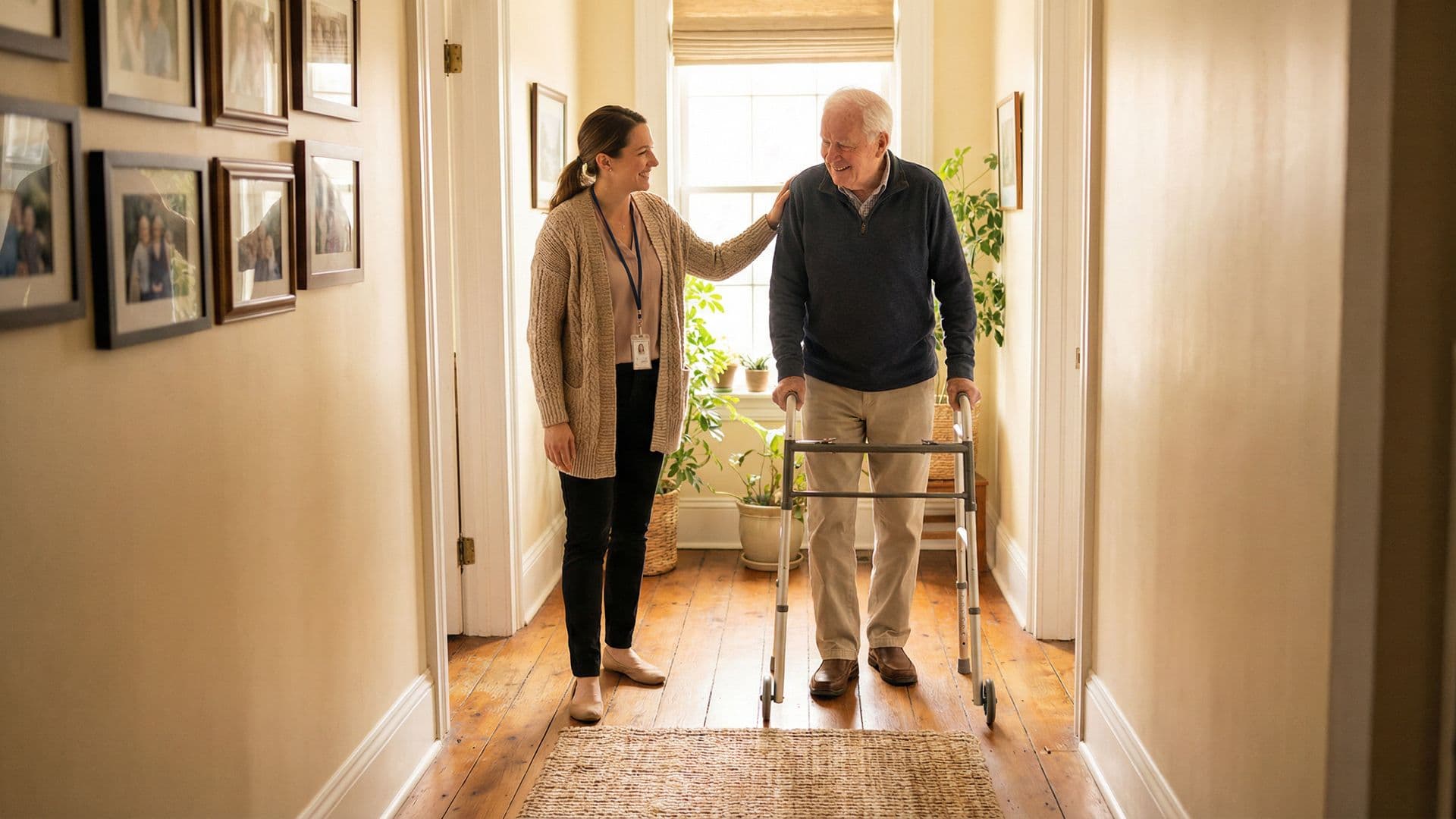
Physical Therapy
Our licensed physical therapists help restore activity, strength, and motion following illness, injury, or surgery with personalized treatment plans.
Learn more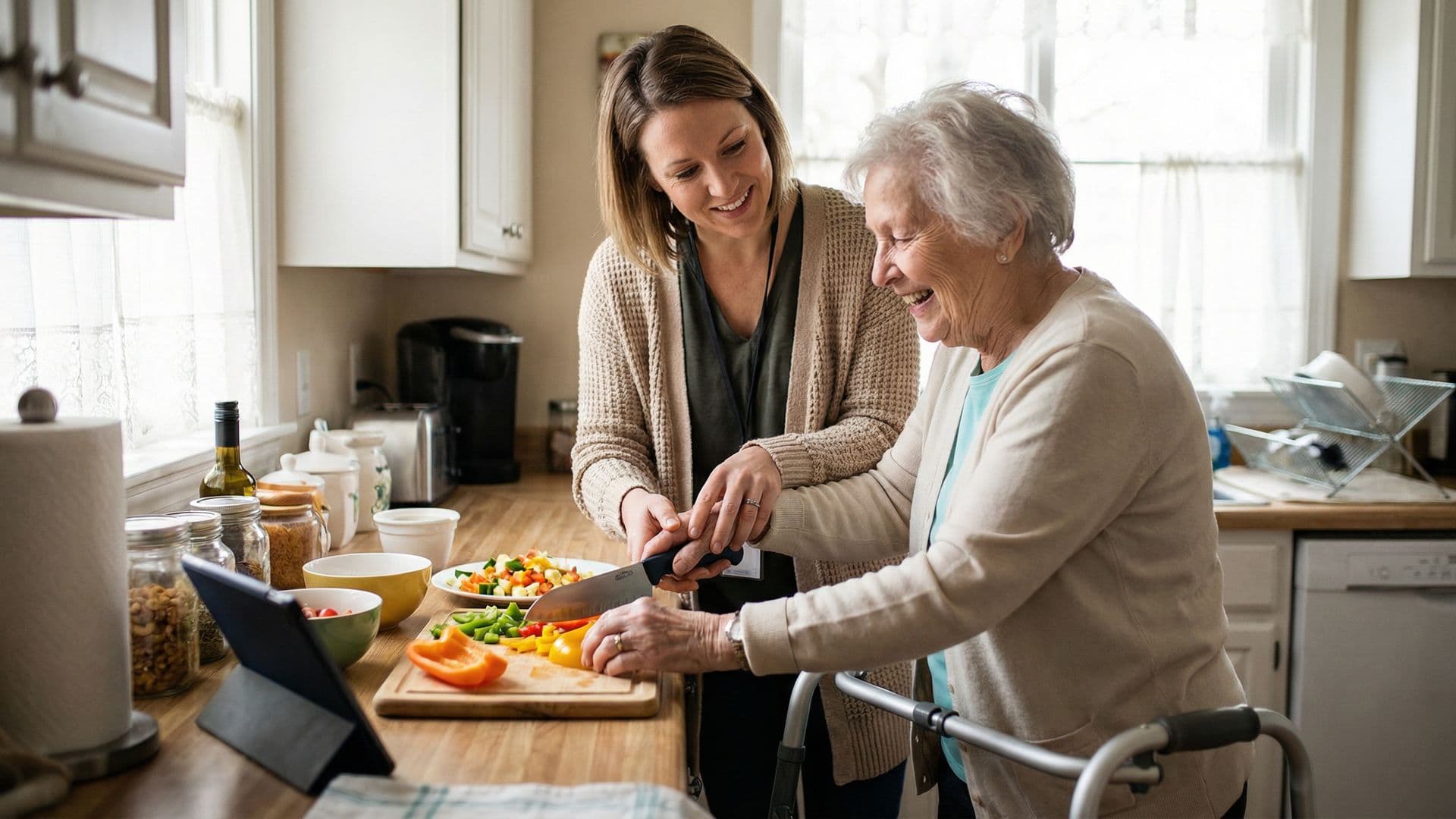
Occupational Therapy
Helping patients of all ages regain independence in everyday activities through therapeutic techniques and adaptive strategies.
Learn moreGet help with fall risk assessment at home
Our experienced clinicians provide expert musculoskeletal care in the comfort of your home. Contact us today to discuss your needs.
For life-threatening emergencies, always call 911.