If this is a life-threatening emergency, call 911 immediately.
Chest pain, severe difficulty breathing, stroke symptoms, major bleeding, or loss of consciousness require emergency medical services. This page describes non-emergency care delivered at home by skilled nurses.
Understanding Cardiac Rehabilitation
What you should know
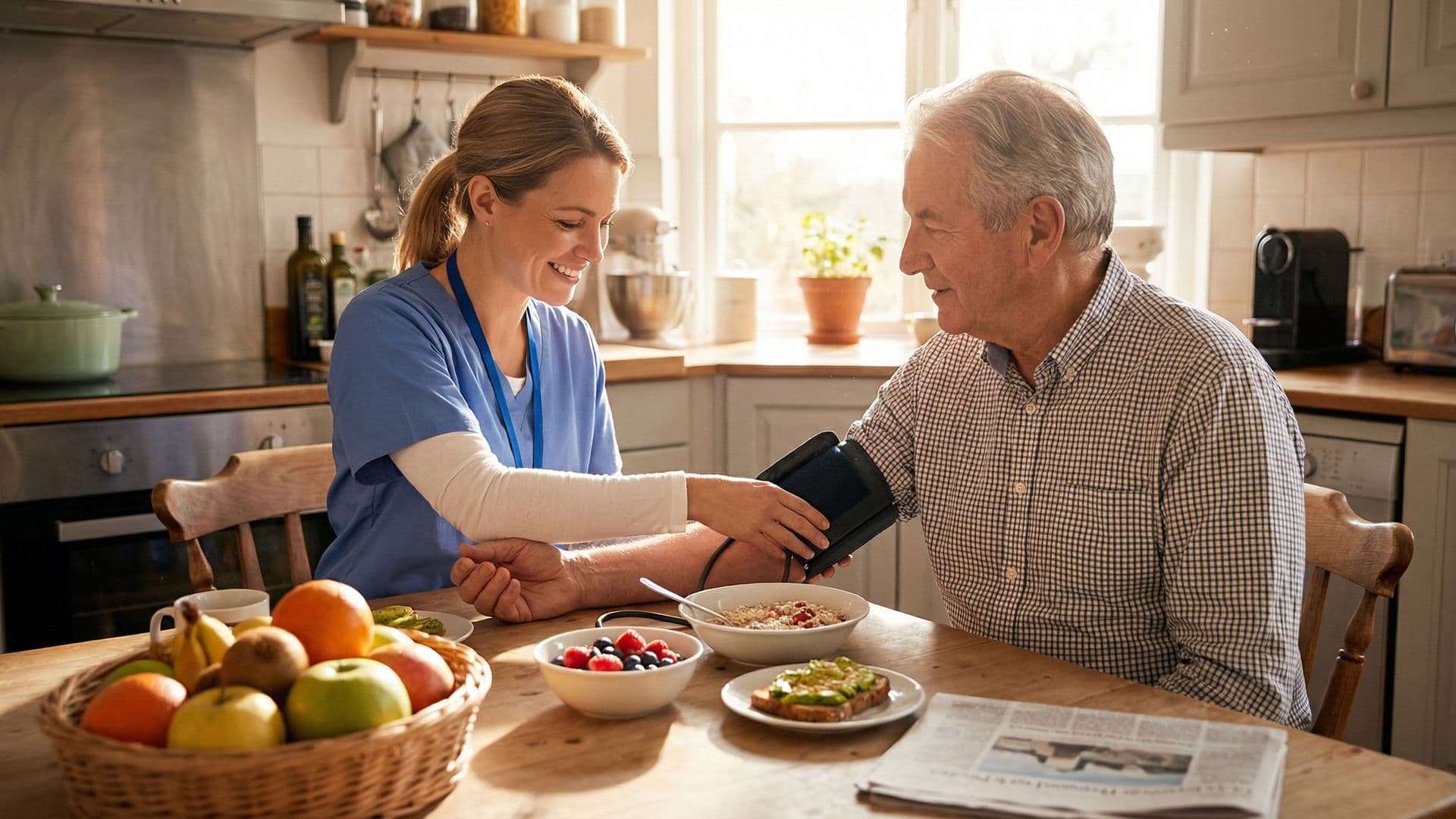
Cardiac rehabilitation is a medically supervised program designed to help you recover after a heart attack, heart surgery, or other cardiac event. The goal is to improve cardiovascular fitness, reduce risk factors, and restore your ability to live independently.
Traditionally, cardiac rehab happens at an outpatient facility three times a week for several months. For patients who can't drive, live far from a center, or have mobility limitations, home-based cardiac rehab provides the same structured exercise, education, and monitoring — with a nurse or therapist coming to you.
Our program includes progressive exercise training supervised by a physical therapist, vital sign monitoring before and after each session, dietary and lifestyle education, and close coordination with your cardiologist. We track your progress and adjust the plan as your endurance improves.
Warning signs
You may need care if…
Your care plan
How we help at home
Expert care for cardiac rehabilitation,
delivered to your home
Our clinicians bring hospital-level expertise to the comfort and safety of where you live.
Common questions
Cardiac Rehabilitation — Common Questions
Research shows home-based cardiac rehab produces similar outcomes to center-based programs in terms of exercise capacity, risk factor reduction, and quality of life. The key advantage is adherence — patients who can't easily get to a center are more likely to complete the full program at home.
Medicare covers home health services including physical therapy and skilled nursing after a qualifying cardiac event. Your physician must order the services and certify that you are homebound or have difficulty accessing outpatient rehab.
Related services
Services involved in your care
These are the clinical services our team may use when managing cardiac rehabilitation at home.
Cardiovascular Care
Comprehensive cardiac care management for patients with heart disease, hypertension, and other cardiovascular conditions.
Learn more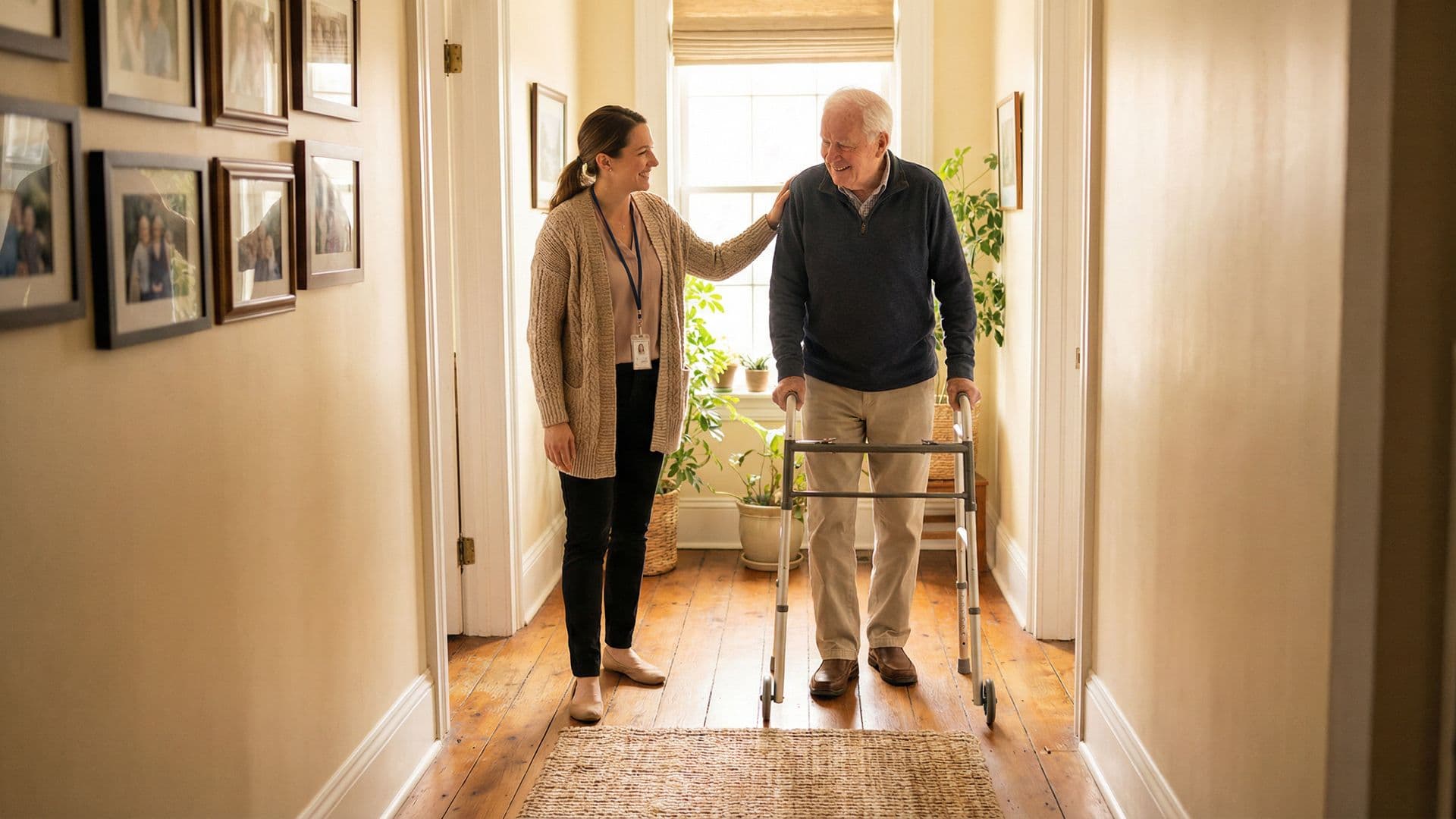
Physical Therapy
Our licensed physical therapists help restore activity, strength, and motion following illness, injury, or surgery with personalized treatment plans.
Learn more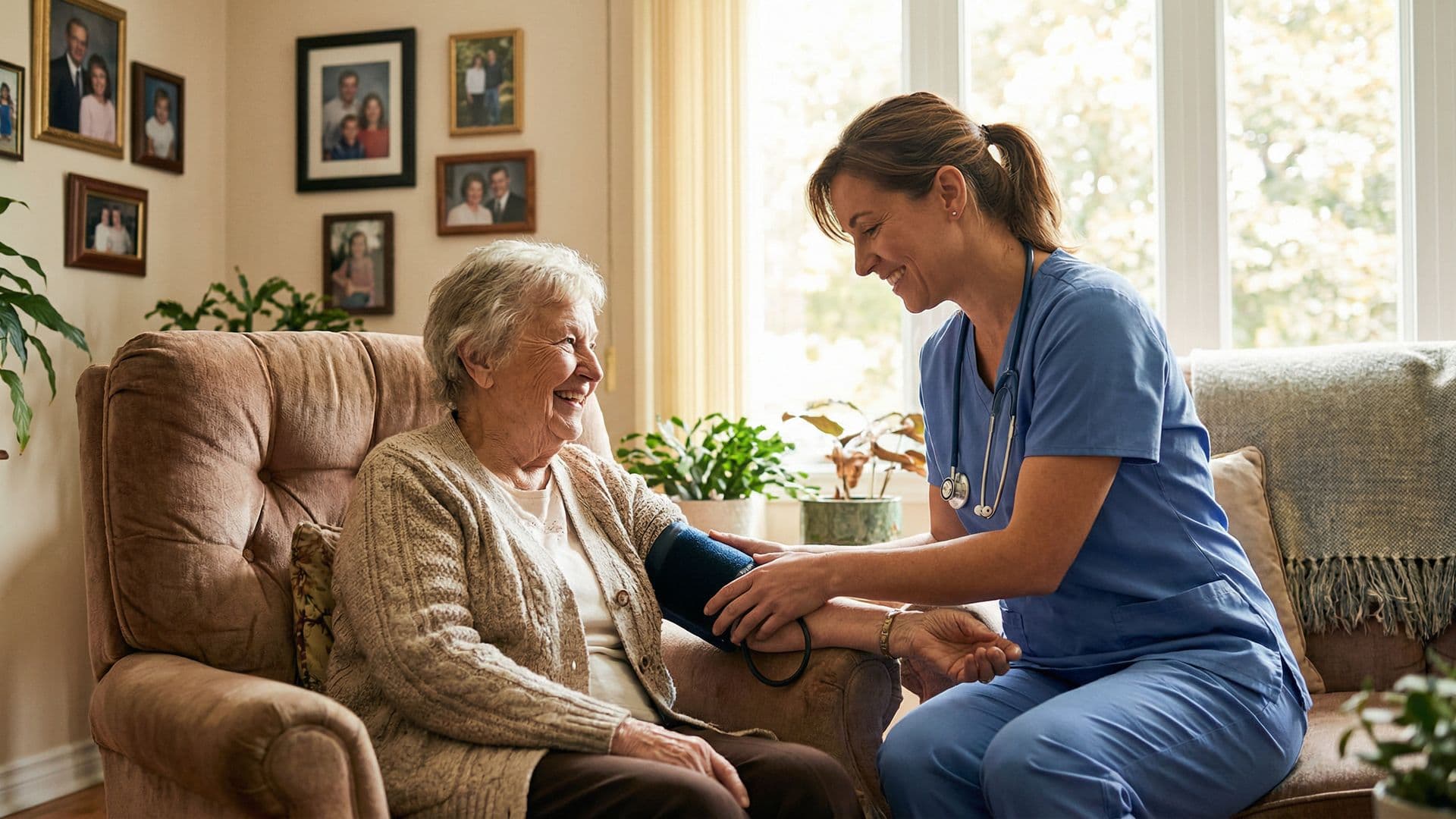
Skilled Nursing Care
Our registered nurses provide comprehensive medical care in the comfort of your home, ensuring safety, comfort, and optimal health outcomes.
Learn moreGet help with cardiac rehabilitation at home
Our experienced clinicians provide expert cardiovascular care in the comfort of your home. Contact us today to discuss your needs.
For life-threatening emergencies, always call 911.