If this is a life-threatening emergency, call 911 immediately.
Chest pain, severe difficulty breathing, stroke symptoms, major bleeding, or loss of consciousness require emergency medical services. This page describes non-emergency care delivered at home by skilled nurses.

Understanding Deep Vein Thrombosis (DVT)
What you should know
Deep vein thrombosis is a blood clot that forms in a deep vein, usually in the legs. DVT is dangerous because the clot can break loose and travel to the lungs (pulmonary embolism), which can be life-threatening. It's especially common after surgery, prolonged bed rest, or in people with clotting disorders.
Managing DVT at home requires careful anticoagulation therapy — blood thinners need regular monitoring to ensure the dose is effective without causing dangerous bleeding. Patients also need education on compression stockings, activity modification, and recognizing signs of pulmonary embolism.
Our nurses provide INR monitoring for patients on warfarin, educate on newer anticoagulants, manage compression therapy, and watch for complications. For patients transitioning from hospital IV blood thinners to oral medications, having a nurse oversee that transition at home prevents dangerous gaps in treatment.
Warning signs
You may need care if…
Your care plan
How we help at home
Expert care for deep vein thrombosis (dvt),
delivered to your home
Our clinicians bring hospital-level expertise to the comfort and safety of where you live.
Common questions
Deep Vein Thrombosis (DVT) — Common Questions
Treatment duration depends on what caused the DVT. A first-time DVT from a known cause (like surgery) is typically treated for 3–6 months. Unprovoked DVTs or recurrent clots may require long-term or lifelong anticoagulation. Your physician makes this decision based on your risk factors.
Once anticoagulation is established, walking is actually encouraged — it helps blood flow and may reduce long-term complications. Our physical therapist can design a safe activity plan. However, high-impact activities should be avoided until cleared by your physician.
Related services
Services involved in your care
These are the clinical services our team may use when managing deep vein thrombosis (dvt) at home.
Cardiovascular Care
Comprehensive cardiac care management for patients with heart disease, hypertension, and other cardiovascular conditions.
Learn more
Skilled Nursing Care
Our registered nurses provide comprehensive medical care in the comfort of your home, ensuring safety, comfort, and optimal health outcomes.
Learn more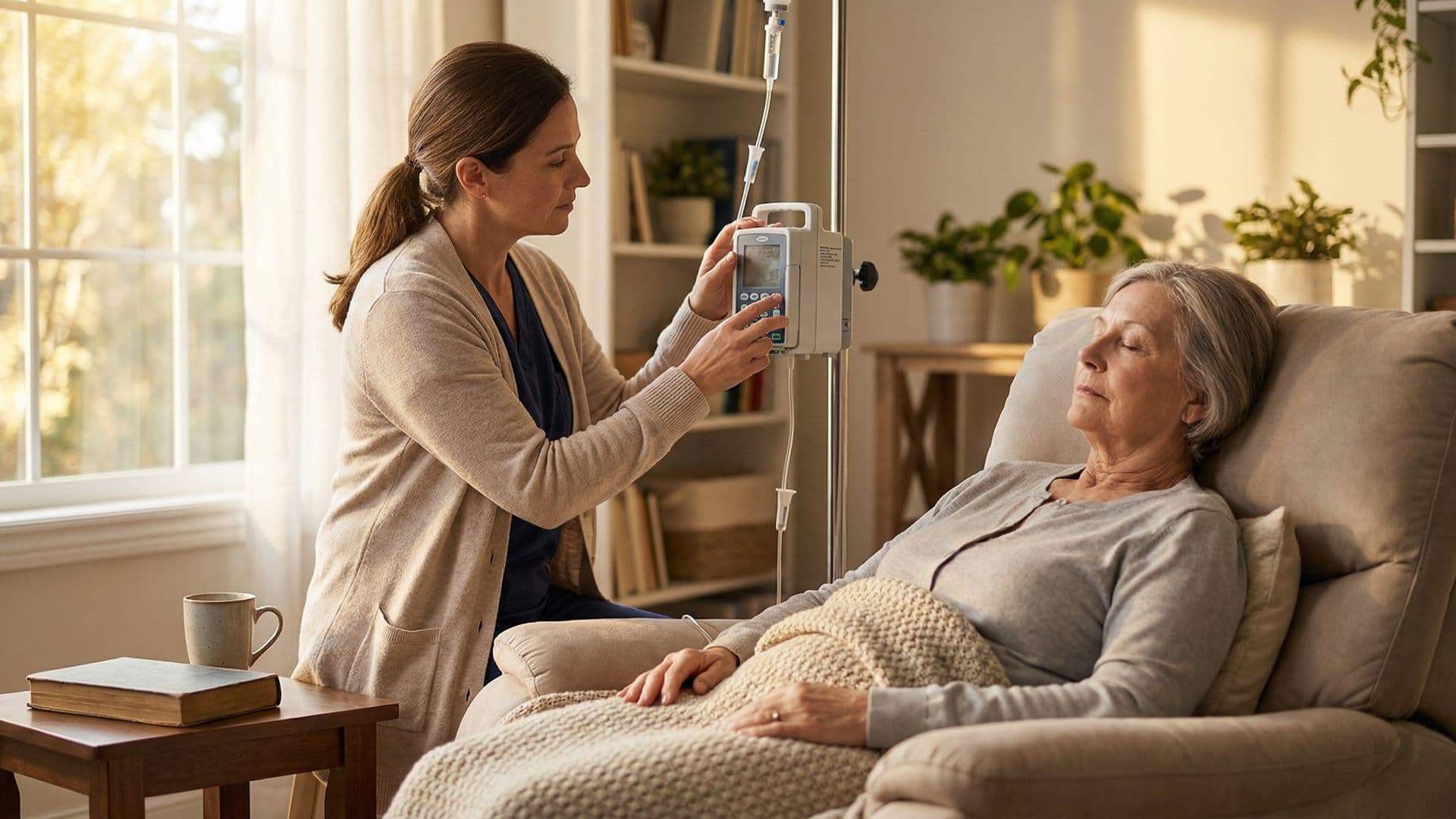
Infusion Services
Home-based intravenous therapy administered by specially trained nurses for various medical conditions.
Learn moreGet help with deep vein thrombosis (dvt) at home
Our experienced clinicians provide expert cardiovascular care in the comfort of your home. Contact us today to discuss your needs.
For life-threatening emergencies, always call 911.