If this is a life-threatening emergency, call 911 immediately.
Chest pain, severe difficulty breathing, stroke symptoms, major bleeding, or loss of consciousness require emergency medical services. This page describes non-emergency care delivered at home by skilled nurses.
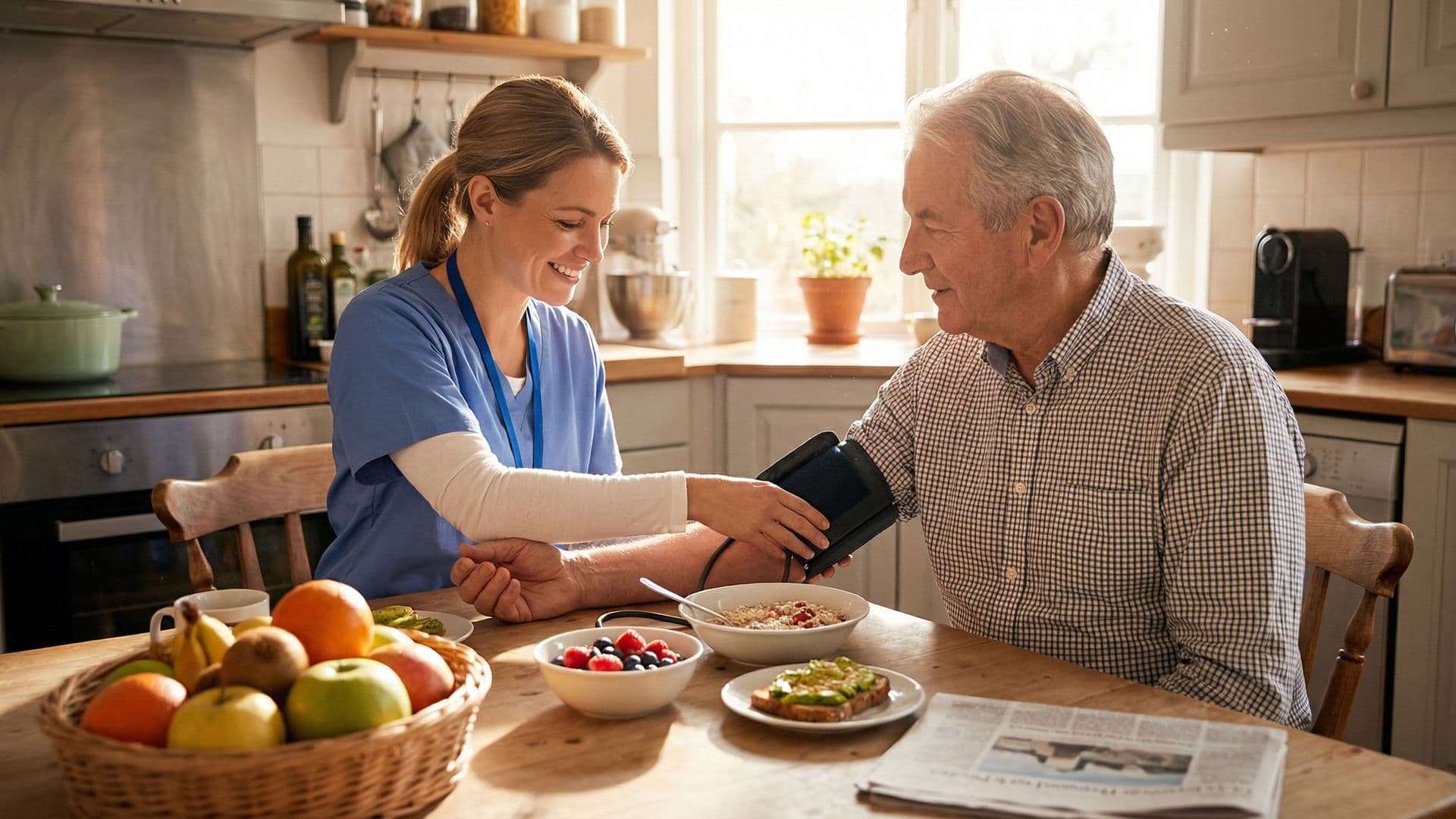
Understanding Peripheral Arterial Disease (PAD)
What you should know
Peripheral arterial disease occurs when narrowed arteries reduce blood flow to the limbs — most commonly the legs. Plaque buildup in the artery walls makes it harder for oxygen-rich blood to reach your muscles and tissues, causing pain when walking, slow-healing wounds, and in severe cases, tissue death.
PAD affects roughly 8–12 million Americans and is especially common in people over 65, smokers, and those with diabetes or high blood pressure. Many people dismiss the early symptoms — leg pain that goes away with rest — as normal aging, but PAD is a serious condition that signals increased risk of heart attack and stroke.
Our home health team manages PAD through wound care for arterial ulcers, supervised exercise programs to improve circulation, medication management, and patient education on lifestyle modifications. For patients with limited mobility, having these services come to your home makes consistent treatment realistic.
Warning signs
You may need care if…
Your care plan
How we help at home
Expert care for peripheral arterial disease (pad),
delivered to your home
Our clinicians bring hospital-level expertise to the comfort and safety of where you live.
Common questions
Peripheral Arterial Disease (PAD) — Common Questions
PAD can't be fully reversed, but its progression can be slowed significantly with medication, exercise, smoking cessation, and dietary changes. In some patients, supervised exercise programs actually improve blood flow enough to reduce symptoms substantially.
Arterial ulcers need specialized wound care that accounts for reduced blood flow. Our wound care nurses use appropriate dressings, monitor for infection, and coordinate with vascular specialists when wounds aren't healing as expected.
Related services
Services involved in your care
These are the clinical services our team may use when managing peripheral arterial disease (pad) at home.
Cardiovascular Care
Comprehensive cardiac care management for patients with heart disease, hypertension, and other cardiovascular conditions.
Learn more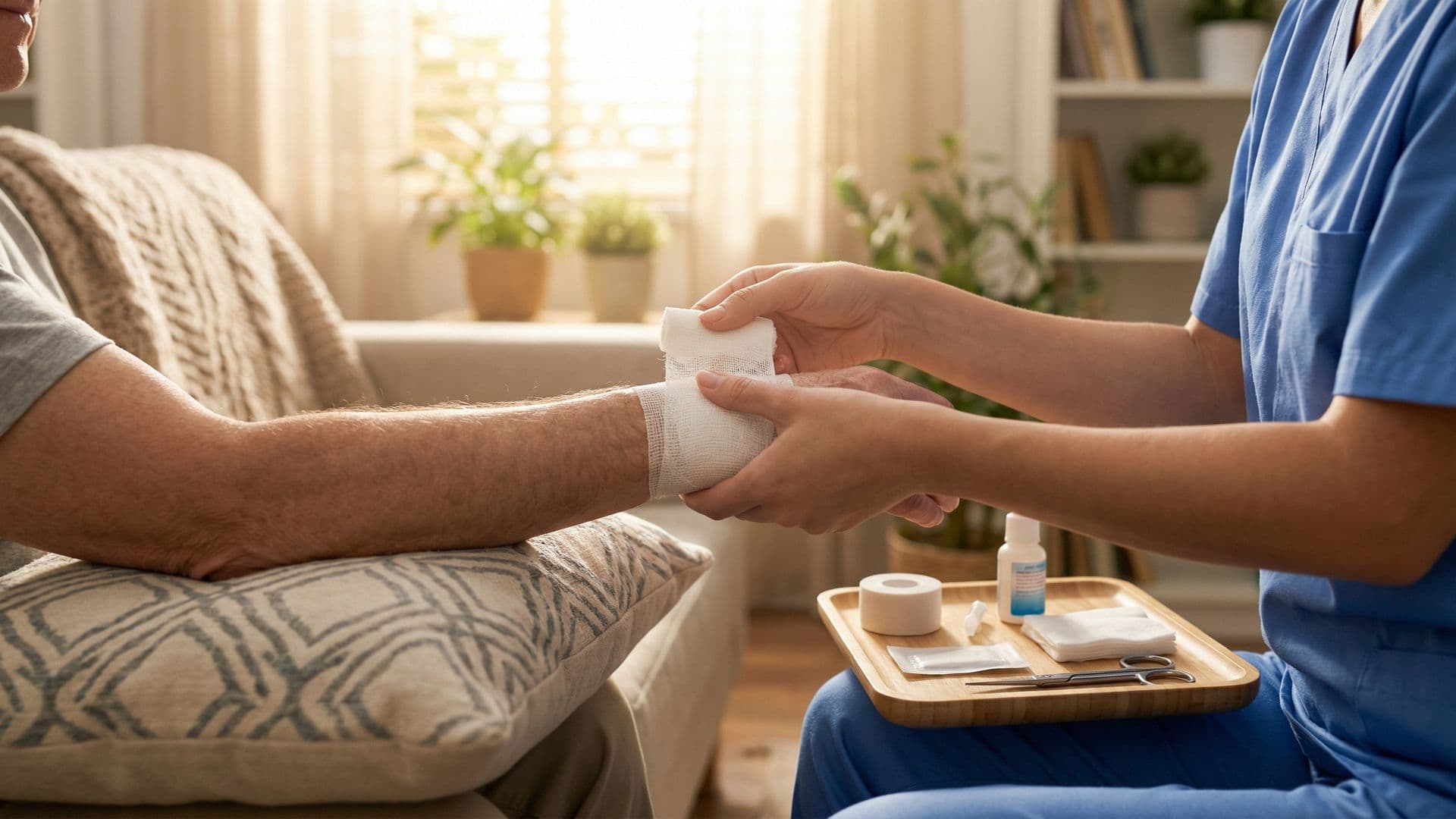
Wound Care
Specialized wound care management for chronic, surgical, and complex wounds using evidence-based treatment protocols.
Learn more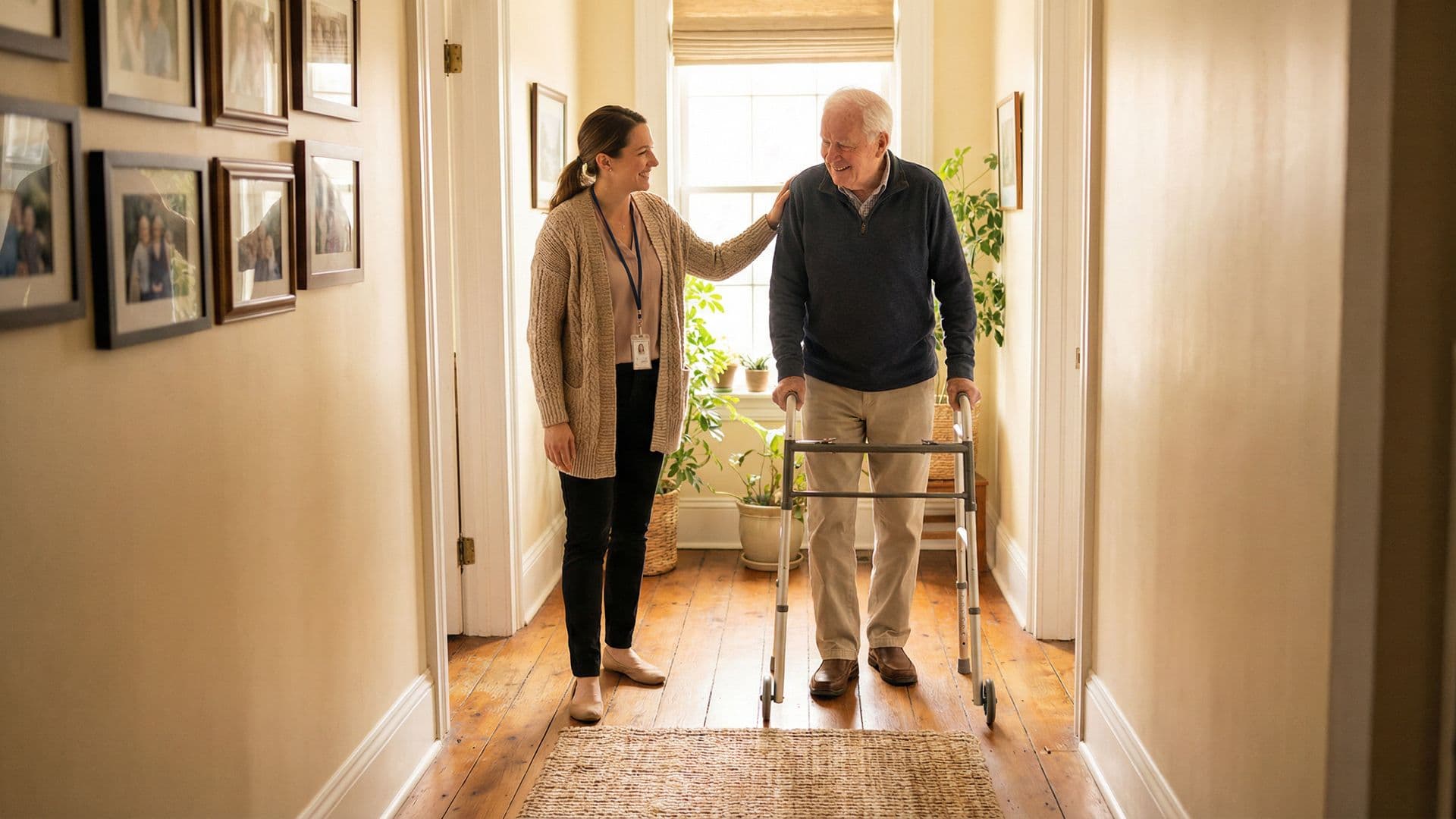
Physical Therapy
Our licensed physical therapists help restore activity, strength, and motion following illness, injury, or surgery with personalized treatment plans.
Learn more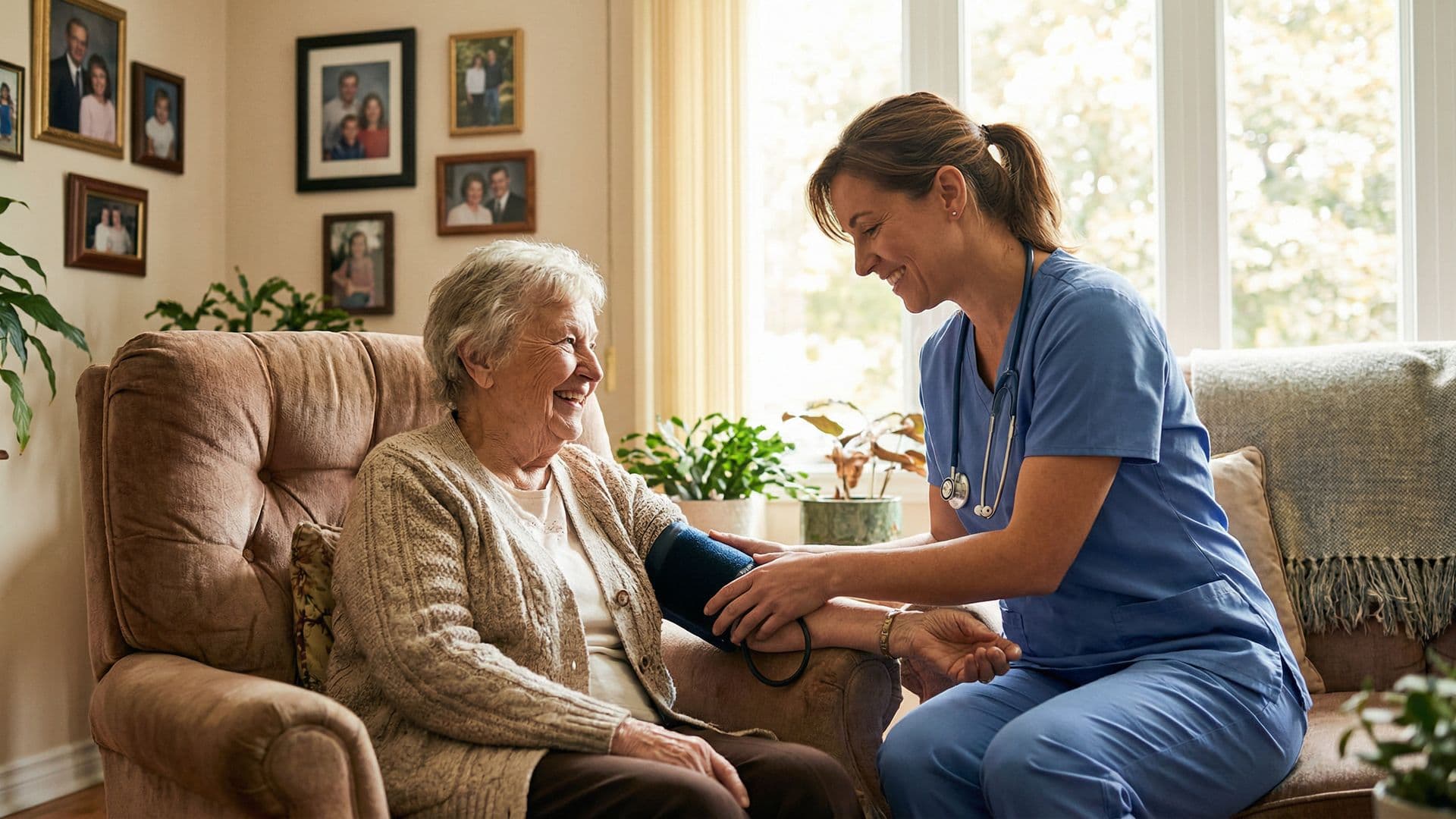
Skilled Nursing Care
Our registered nurses provide comprehensive medical care in the comfort of your home, ensuring safety, comfort, and optimal health outcomes.
Learn moreGet help with peripheral arterial disease (pad) at home
Our experienced clinicians provide expert cardiovascular care in the comfort of your home. Contact us today to discuss your needs.
For life-threatening emergencies, always call 911.