If this is a life-threatening emergency, call 911 immediately.
Chest pain, severe difficulty breathing, stroke symptoms, major bleeding, or loss of consciousness require emergency medical services. This page describes non-emergency care delivered at home by skilled nurses.
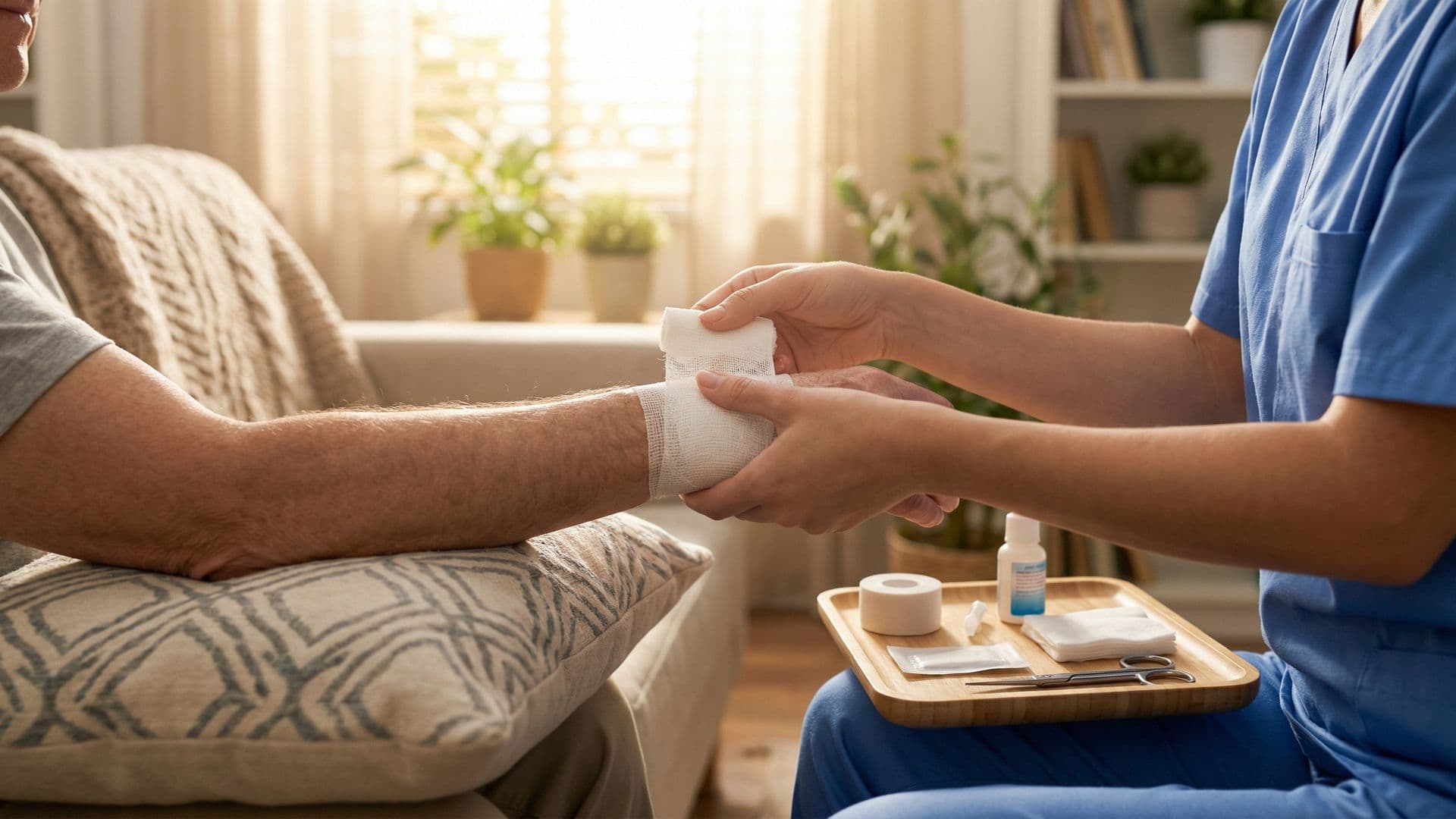
Understanding Diabetic Ulcers
What you should know
Diabetic ulcers — most commonly on the feet — are one of the most serious complications of diabetes and the leading cause of non-traumatic lower limb amputation in the United States. They develop when diabetic neuropathy (nerve damage) prevents patients from feeling injuries, and poor circulation slows healing. A small blister or callus can progress to a deep, infected wound without the patient even knowing.
Healing diabetic ulcers requires addressing both the wound and the systemic factors that prevent healing. Blood sugar control, adequate nutrition, circulation optimization, infection management, and proper offloading (reducing pressure on the wound) must all be managed simultaneously.
Our wound care nurses are specialists in diabetic wound management. We provide evidence-based wound treatment including debridement, appropriate dressings, offloading strategies, and infection monitoring — while coordinating with endocrinologists on blood sugar management and vascular specialists when circulation is compromised. The goal is healing the current wound and preventing the next one.
Warning signs
You may need care if…
Your care plan
How we help at home
Expert care for diabetic ulcers,
delivered to your home
Our clinicians bring hospital-level expertise to the comfort and safety of where you live.
Common questions
Diabetic Ulcers — Common Questions
Healing time varies from weeks to months depending on wound size, depth, infection, blood sugar control, and circulation. Superficial wounds with good blood supply and controlled blood sugar may heal in 4–6 weeks. Deep or infected wounds with poor circulation can take months. Consistent, skilled wound care significantly improves healing rates and timelines.
Prevention is a major focus. After healing, we educate on daily foot inspection, proper footwear, diabetic shoes/inserts, moisturizing (but not between toes), avoiding walking barefoot, and regular podiatric care. Patients who follow prevention strategies have significantly lower recurrence rates.
Related services
Services involved in your care
These are the clinical services our team may use when managing diabetic ulcers at home.
Wound Care
Specialized wound care management for chronic, surgical, and complex wounds using evidence-based treatment protocols.
Learn more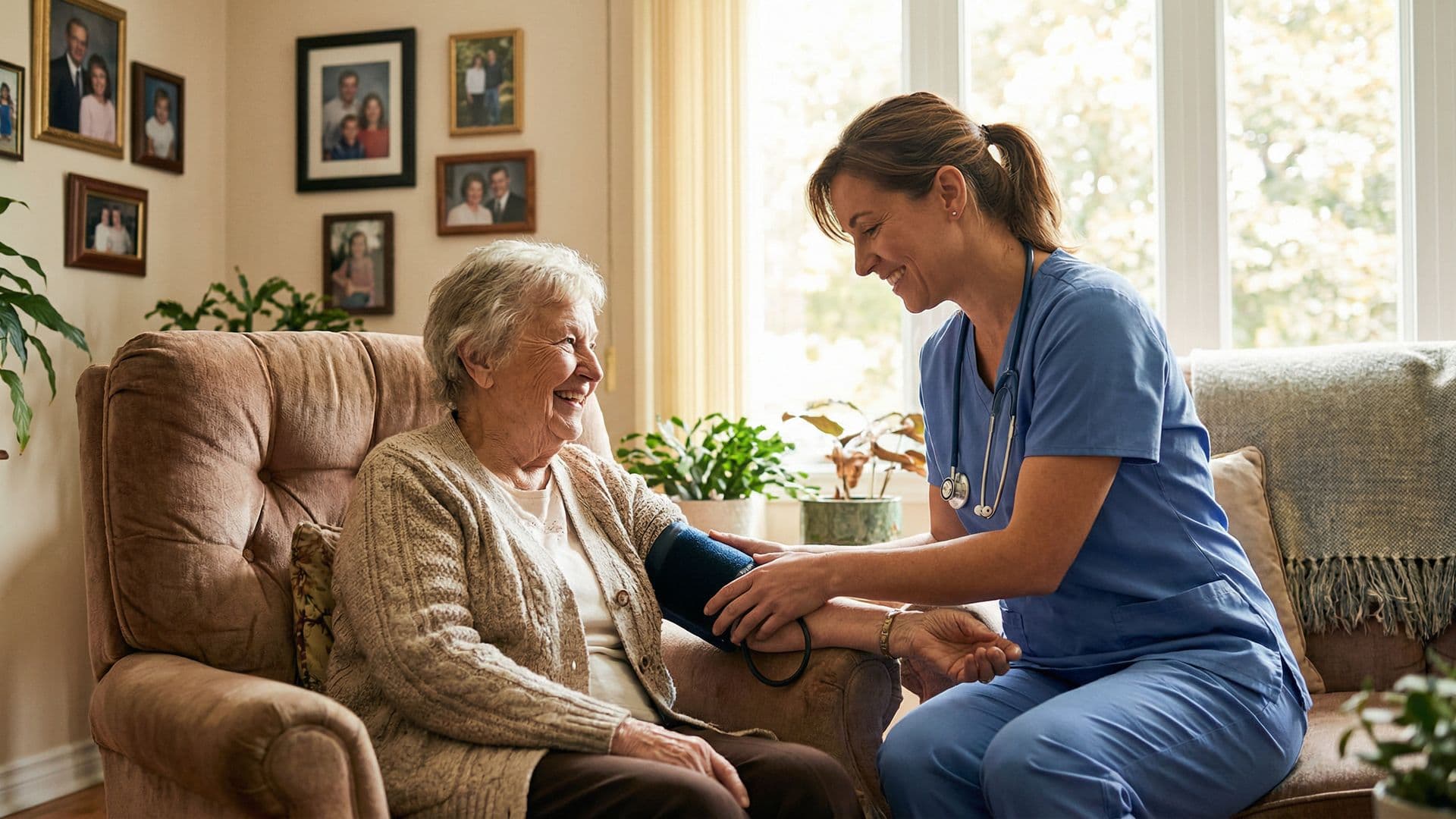
Skilled Nursing Care
Our registered nurses provide comprehensive medical care in the comfort of your home, ensuring safety, comfort, and optimal health outcomes.
Learn more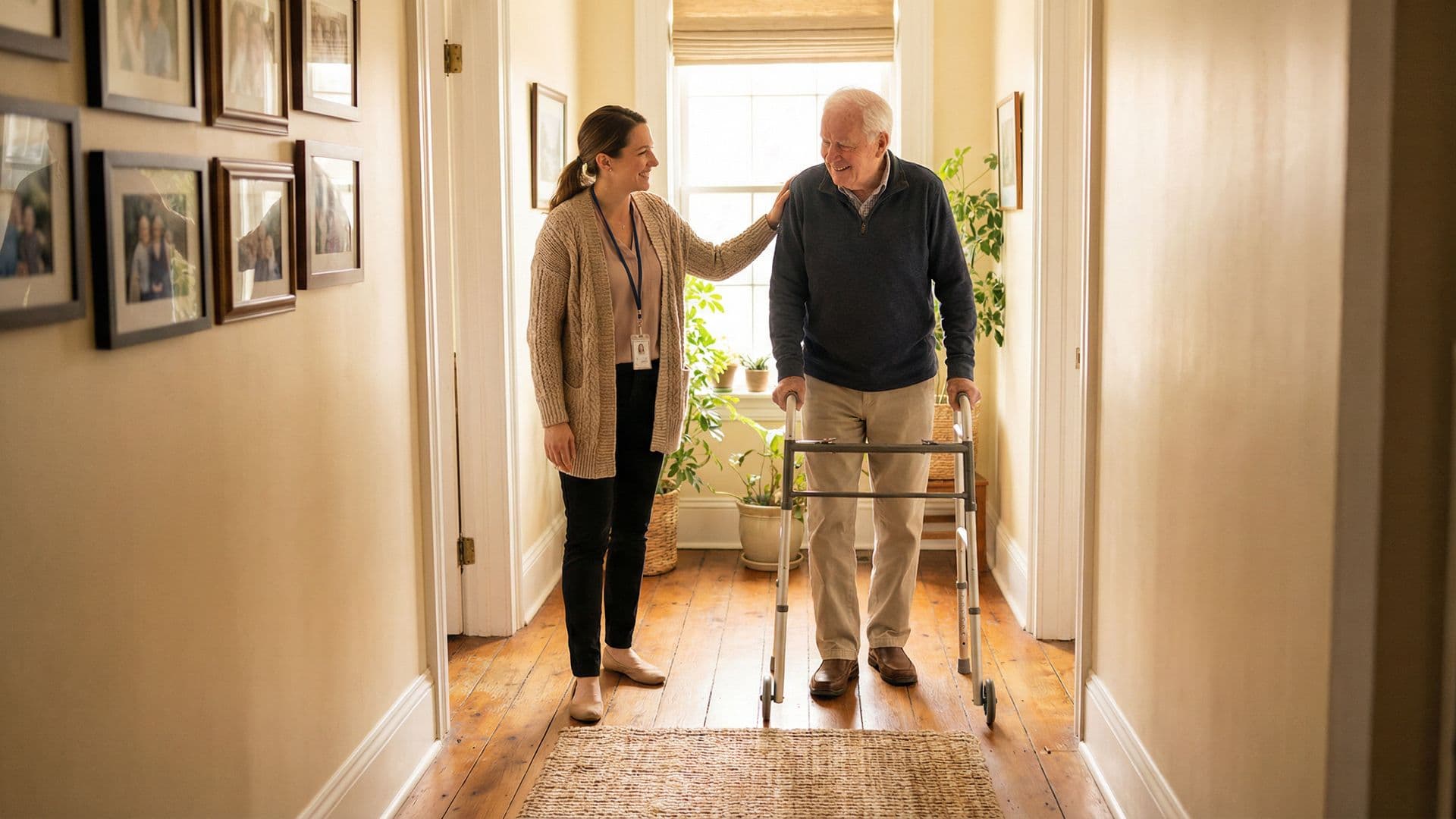
Physical Therapy
Our licensed physical therapists help restore activity, strength, and motion following illness, injury, or surgery with personalized treatment plans.
Learn moreGet help with diabetic ulcers at home
Our experienced clinicians provide expert wound care care in the comfort of your home. Contact us today to discuss your needs.
For life-threatening emergencies, always call 911.