If this is a life-threatening emergency, call 911 immediately.
Chest pain, severe difficulty breathing, stroke symptoms, major bleeding, or loss of consciousness require emergency medical services. This page describes non-emergency care delivered at home by skilled nurses.
Understanding Emphysema
What you should know
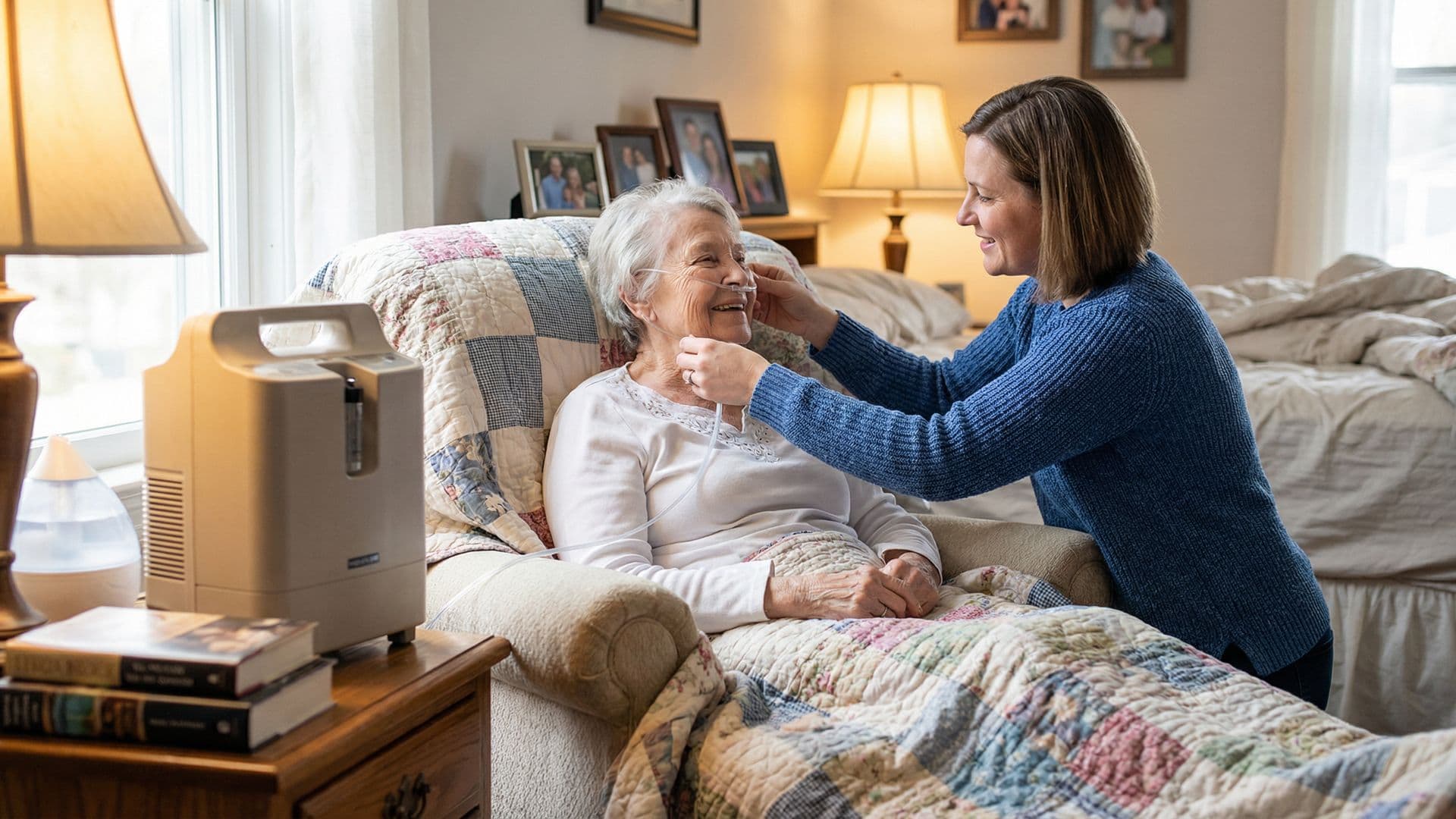
Emphysema is a form of COPD where the air sacs (alveoli) in the lungs are damaged and progressively destroyed, reducing the surface area available for gas exchange. This makes it increasingly difficult to breathe, especially during exertion. Most cases are caused by long-term smoking, though alpha-1 antitrypsin deficiency is a genetic cause.
Living with emphysema means adapting to progressively limited lung capacity. Activities that were effortless — climbing stairs, carrying groceries, walking to the mailbox — become exhausting. Many patients become homebound not because they can't walk, but because the effort of breathing during activity is too great.
Our home health team manages emphysema through oxygen therapy oversight, medication management (bronchodilators, steroids, antibiotics for exacerbations), pulmonary rehabilitation with breathing exercises and progressive activity, and education on energy conservation. We also provide critical monitoring for exacerbations — catching them early prevents hospitalization.
Warning signs
You may need care if…
Your care plan
How we help at home
Expert care for emphysema,
delivered to your home
Our clinicians bring hospital-level expertise to the comfort and safety of where you live.
Common questions
Emphysema — Common Questions
Unfortunately, the lung damage from emphysema is permanent. However, treatment can slow progression, improve symptoms, and reduce exacerbations. Quitting smoking is the single most impactful intervention. Pulmonary rehabilitation, medications, and oxygen therapy all improve quality of life even though they can't repair the damaged air sacs.
Your physician determines oxygen needs based on arterial blood gas levels or overnight oximetry. Generally, supplemental oxygen is prescribed when blood oxygen levels drop below 88% (SpO2). Some patients need oxygen only during activity or sleep, while others need it continuously. Our nurses monitor your oxygen levels and coordinate with your doctor.
Related services
Services involved in your care
These are the clinical services our team may use when managing emphysema at home.
Respiratory Care
Expert management of respiratory conditions including COPD, asthma, pneumonia, and post-COVID recovery.
Learn more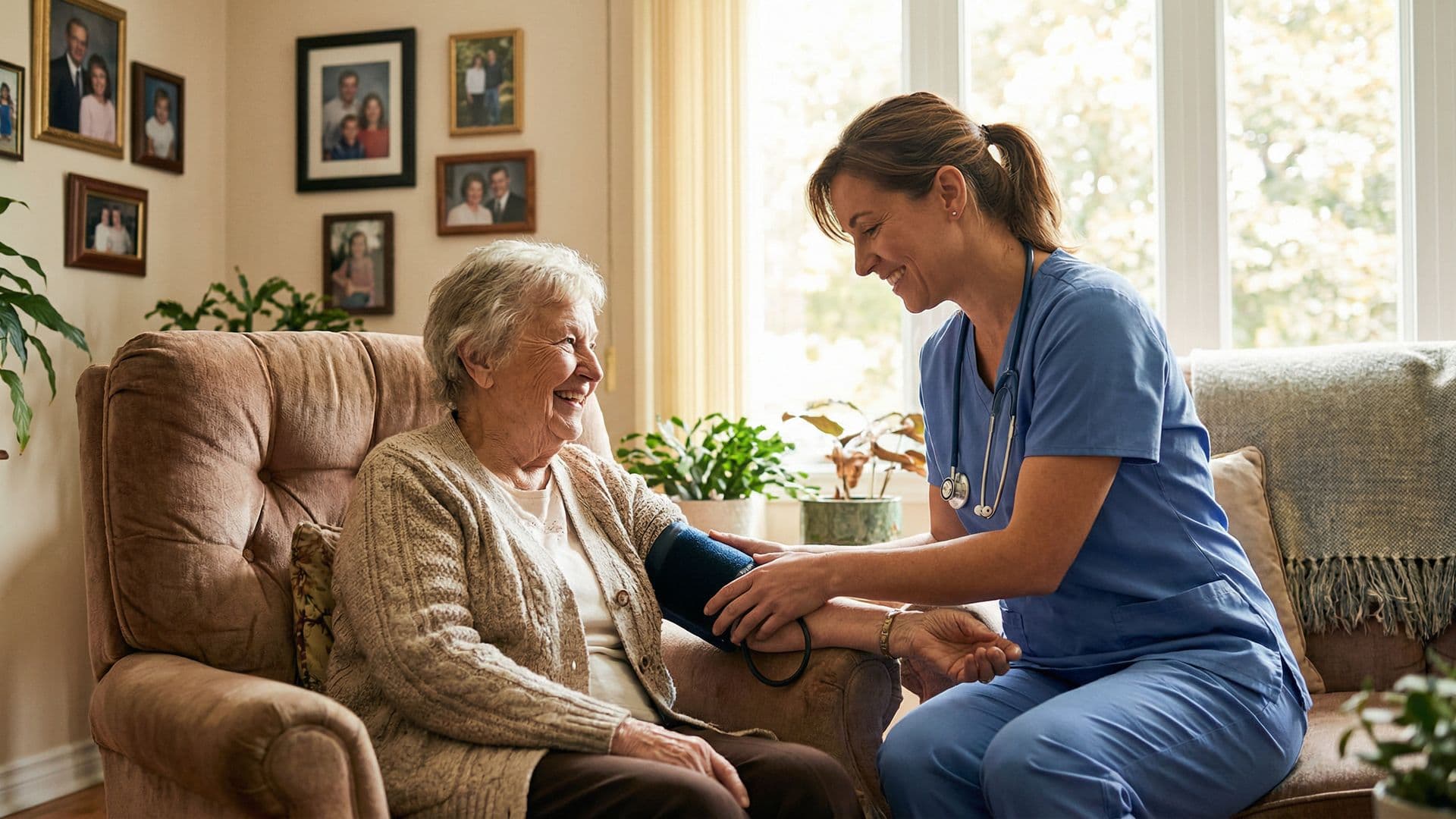
Skilled Nursing Care
Our registered nurses provide comprehensive medical care in the comfort of your home, ensuring safety, comfort, and optimal health outcomes.
Learn more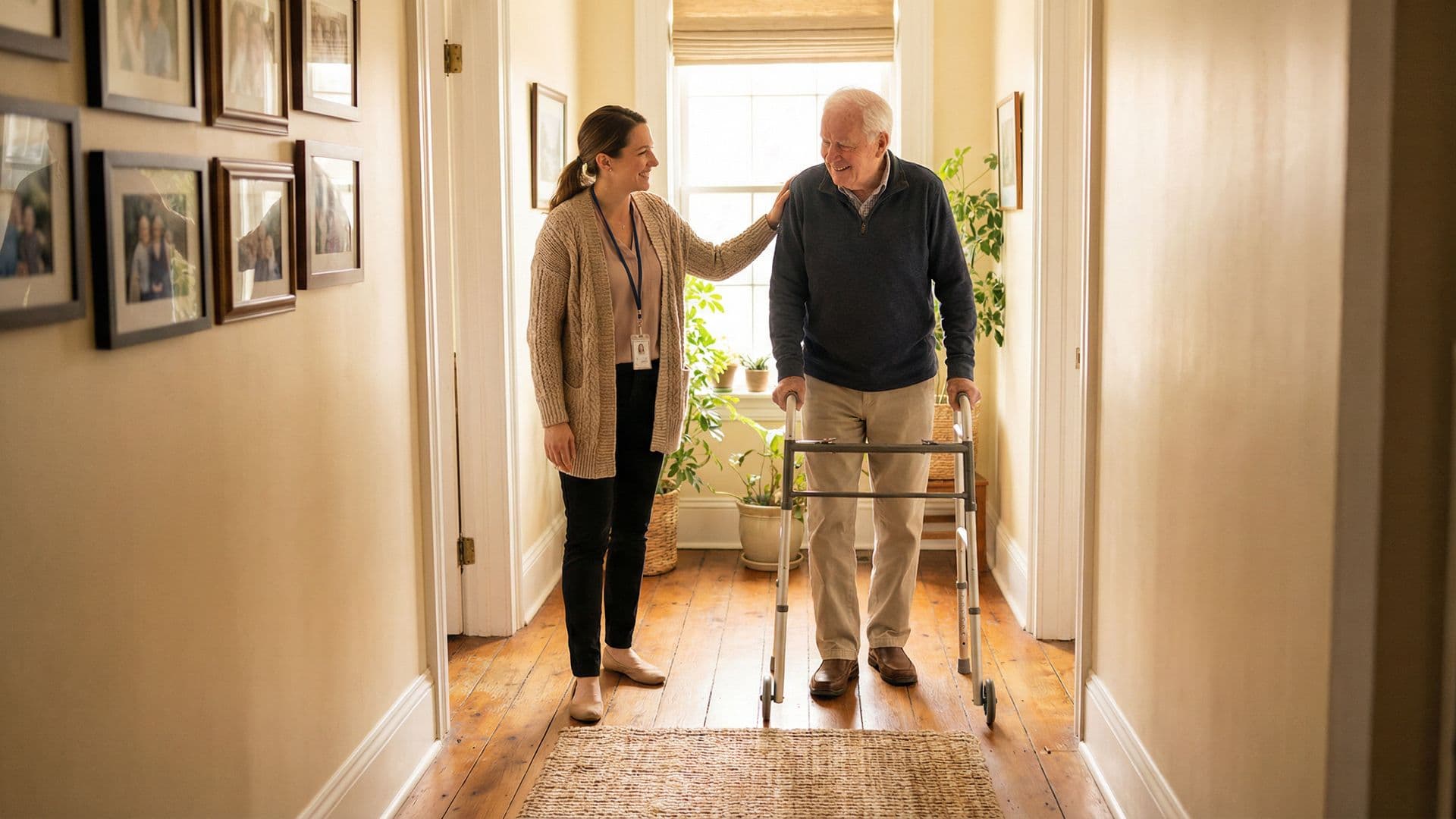
Physical Therapy
Our licensed physical therapists help restore activity, strength, and motion following illness, injury, or surgery with personalized treatment plans.
Learn moreGet help with emphysema at home
Our experienced clinicians provide expert respiratory care in the comfort of your home. Contact us today to discuss your needs.
For life-threatening emergencies, always call 911.