If this is a life-threatening emergency, call 911 immediately.
Chest pain, severe difficulty breathing, stroke symptoms, major bleeding, or loss of consciousness require emergency medical services. This page describes non-emergency care delivered at home by skilled nurses.
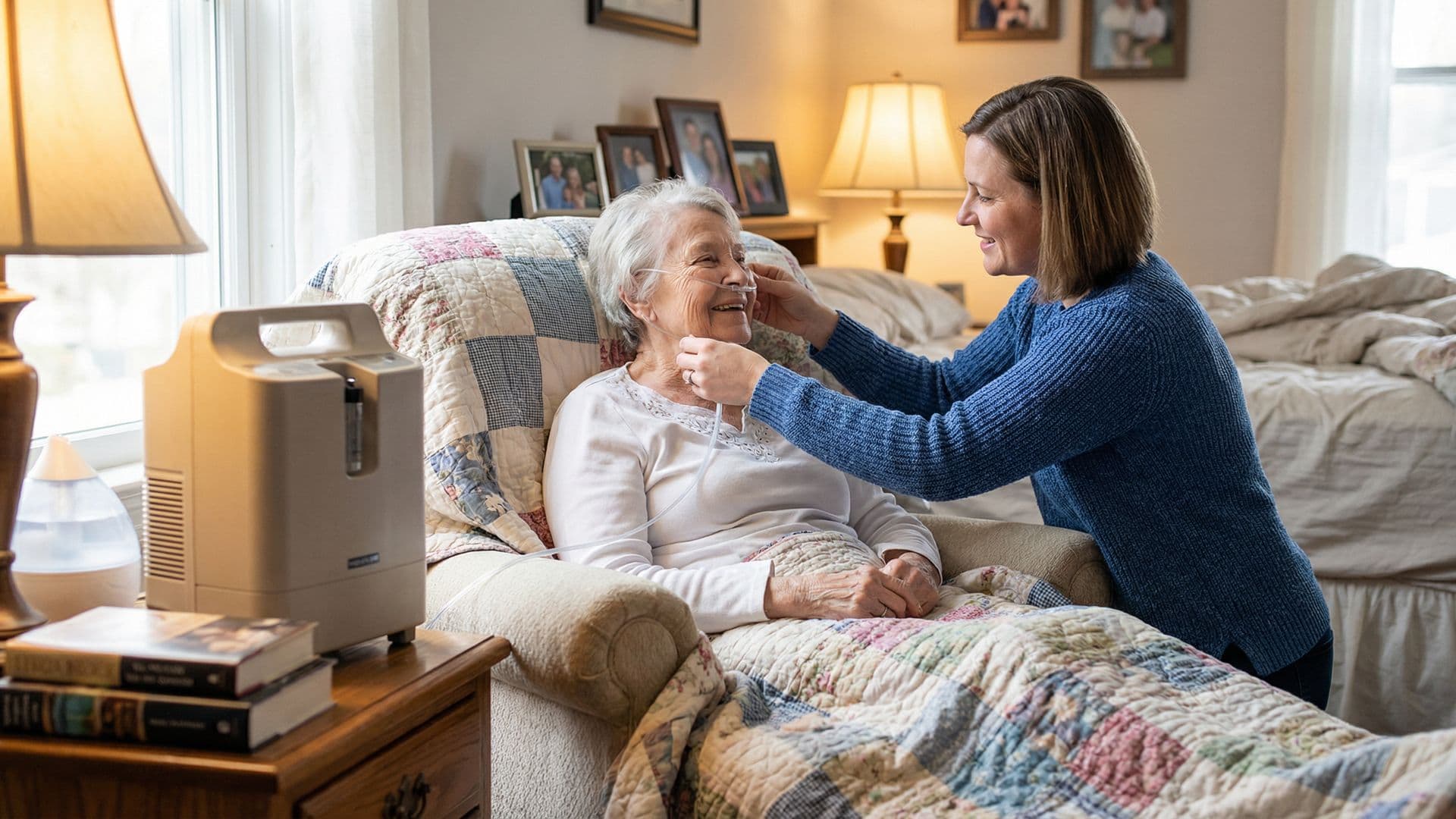
Understanding Pneumonia
What you should know
Pneumonia is an infection that inflames the air sacs in one or both lungs. The air sacs may fill with fluid or pus, causing cough with phlegm, fever, chills, and difficulty breathing. Pneumonia can range from mild to life-threatening and is most serious for infants, older adults (65+), and people with weakened immune systems or chronic health problems.
After hospitalization for pneumonia, patients are often discharged while still recovering — still fatigued, still short of breath, and still at risk for complications or readmission. This is where home health makes a critical difference. Studies show that patients who receive home health after pneumonia have significantly lower readmission rates.
Our nurses monitor respiratory status (oxygen saturation, lung sounds, respiratory rate), manage medications (antibiotics, inhalers, oxygen therapy), and assess for signs of worsening or secondary infection. Our physical therapists help rebuild endurance through progressive activity programs — pneumonia can leave patients deconditioned and afraid to exert themselves.
Warning signs
You may need care if…
Your care plan
How we help at home
Expert care for pneumonia,
delivered to your home
Our clinicians bring hospital-level expertise to the comfort and safety of where you live.
Common questions
Pneumonia — Common Questions
Recovery varies significantly based on age, overall health, and the type of pneumonia. Most patients feel better within 1–3 weeks, but full recovery (normal energy, no cough) can take 6–8 weeks or longer, especially in older adults. Home health typically covers the first 2–4 weeks when monitoring is most critical.
Call your nurse or physician for new or worsening fever, increasing shortness of breath, chest pain, confusion, or inability to keep fluids down. Call 911 for severe difficulty breathing, blue lips or fingernails, or confusion with high fever. Our nurses educate you on exactly what to watch for.
Related services
Services involved in your care
These are the clinical services our team may use when managing pneumonia at home.
Respiratory Care
Expert management of respiratory conditions including COPD, asthma, pneumonia, and post-COVID recovery.
Learn more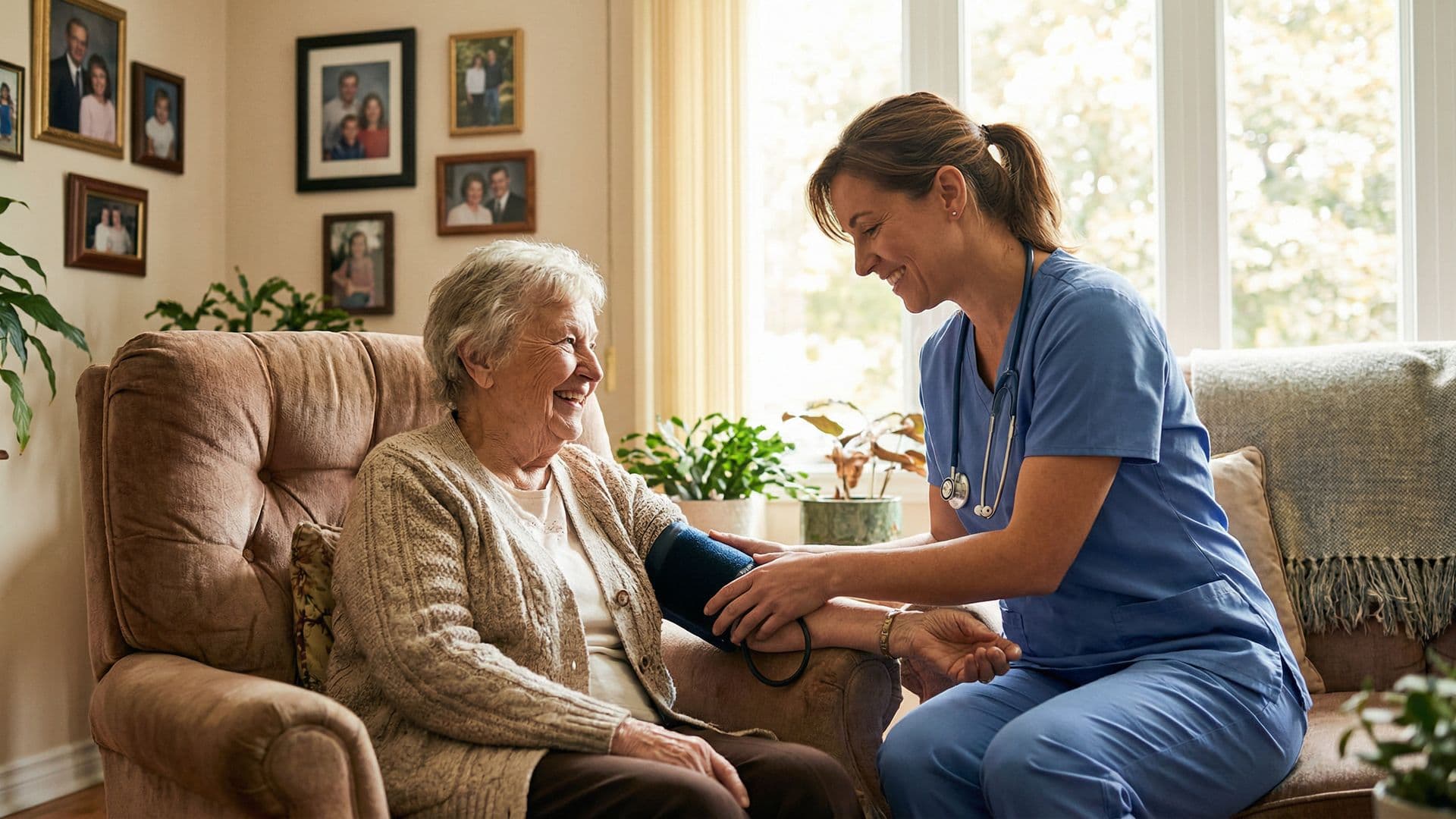
Skilled Nursing Care
Our registered nurses provide comprehensive medical care in the comfort of your home, ensuring safety, comfort, and optimal health outcomes.
Learn more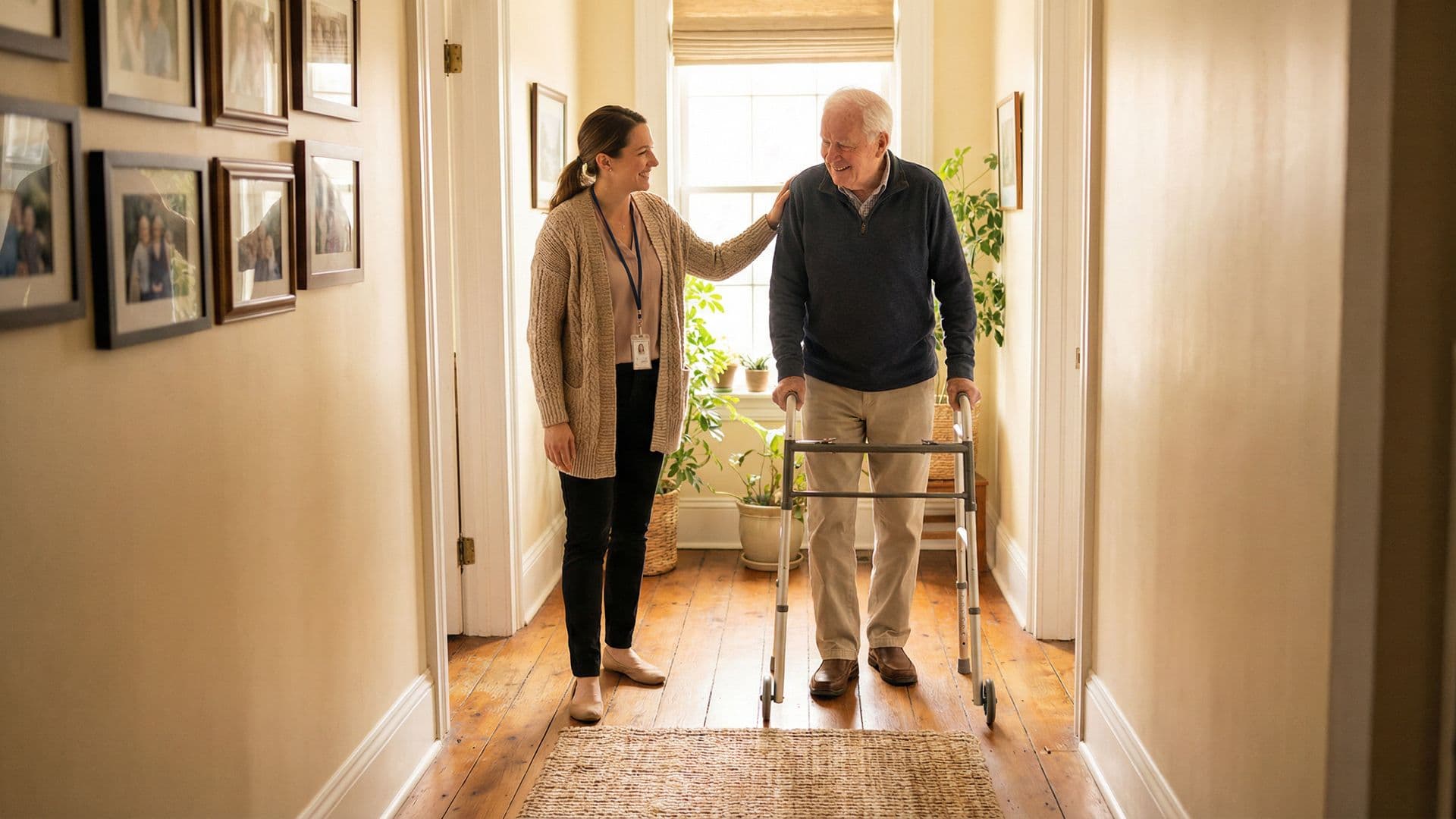
Physical Therapy
Our licensed physical therapists help restore activity, strength, and motion following illness, injury, or surgery with personalized treatment plans.
Learn more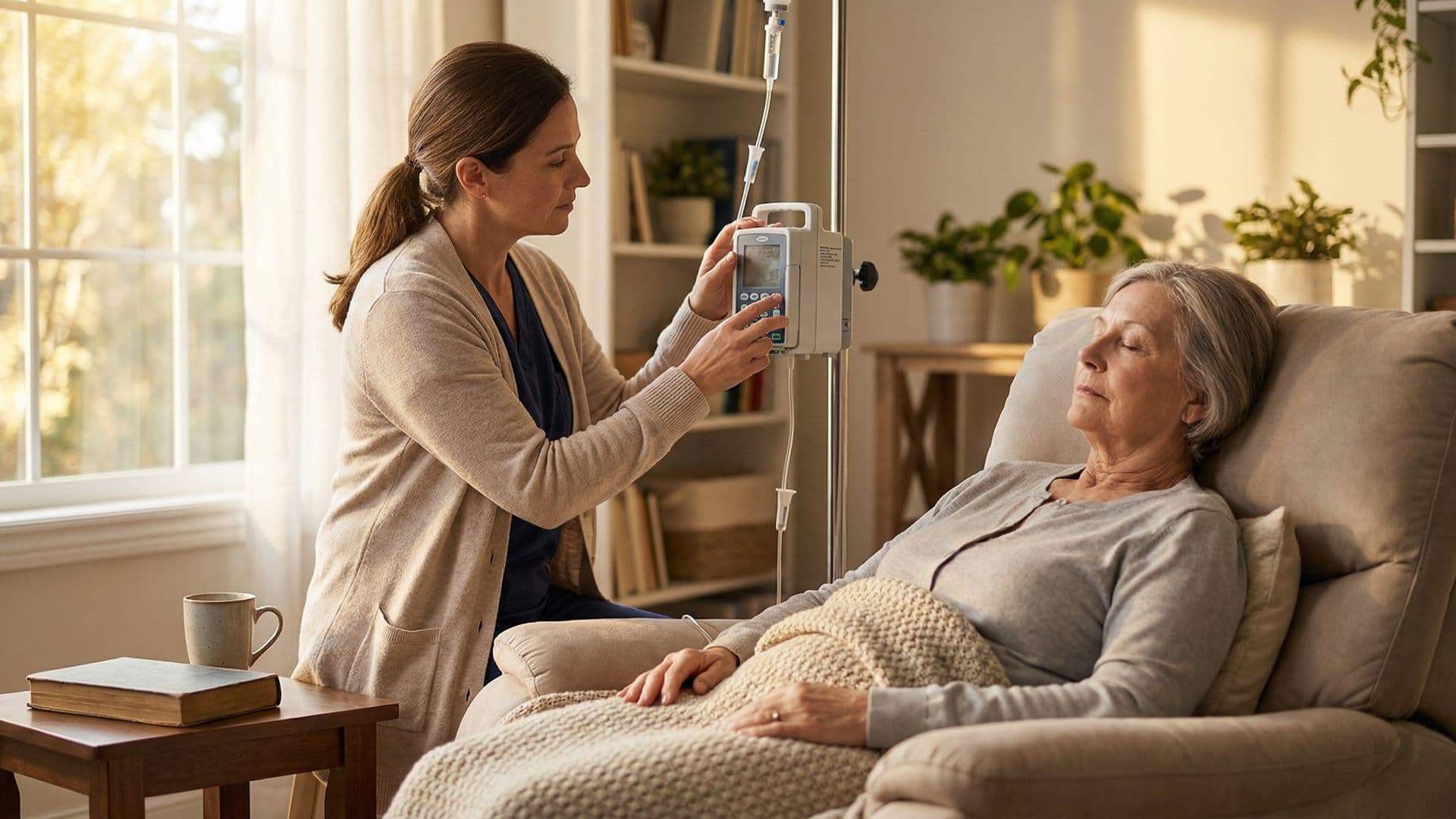
Infusion Services
Home-based intravenous therapy administered by specially trained nurses for various medical conditions.
Learn moreGet help with pneumonia at home
Our experienced clinicians provide expert respiratory care in the comfort of your home. Contact us today to discuss your needs.
For life-threatening emergencies, always call 911.