If this is a life-threatening emergency, call 911 immediately.
Chest pain, severe difficulty breathing, stroke symptoms, major bleeding, or loss of consciousness require emergency medical services. This page describes non-emergency care delivered at home by skilled nurses.
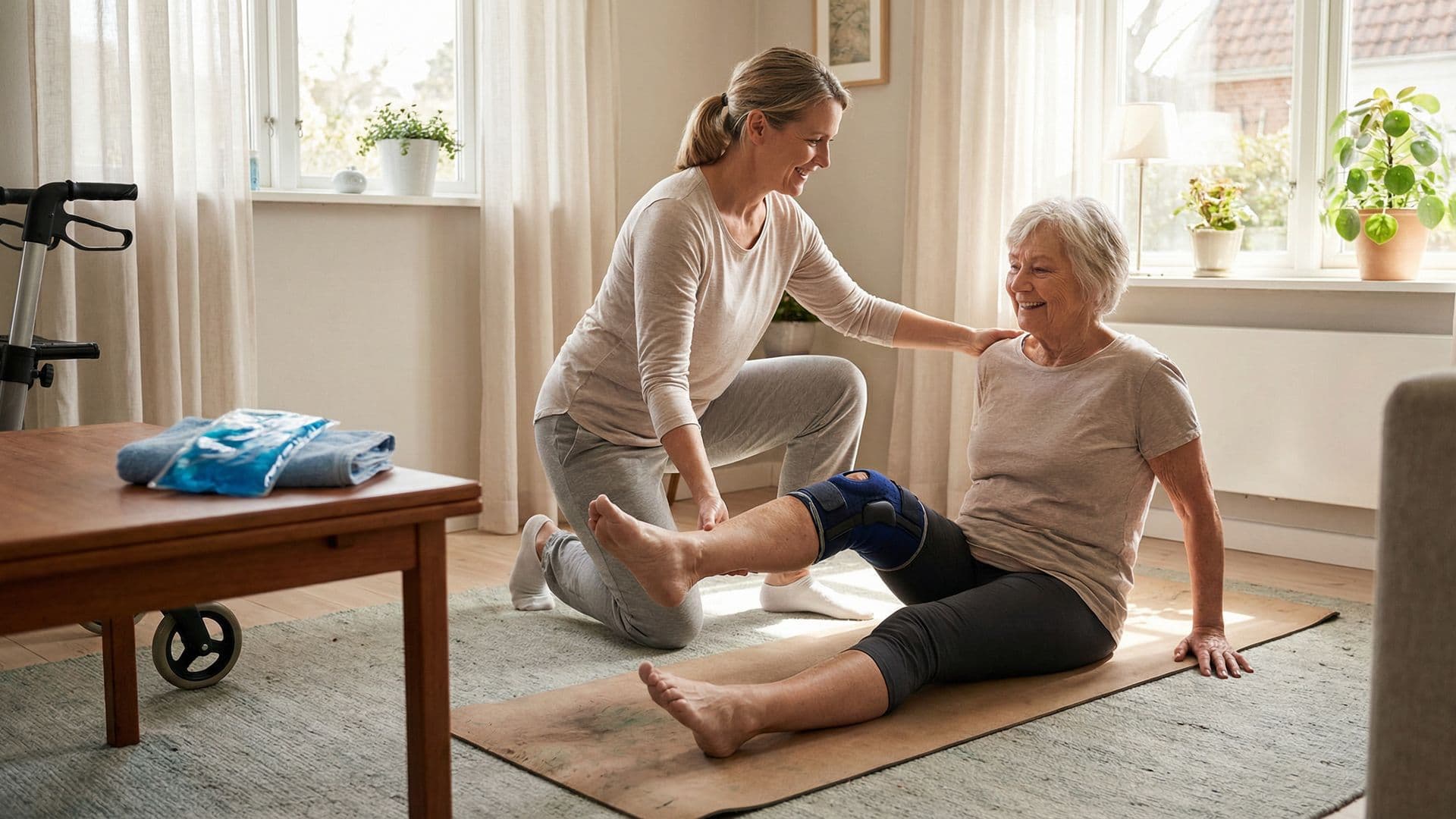
Understanding Gout
What you should know
Gout is a form of inflammatory arthritis caused by excess uric acid crystallizing in the joints. Attacks come on suddenly — often in the middle of the night — with intense pain, swelling, redness, and tenderness, most commonly in the big toe. For some patients, gout becomes chronic with frequent flares and joint damage.
Managing gout requires both acute treatment (medications to reduce inflammation during attacks) and long-term prevention (uric acid–lowering medications, dietary changes, and hydration). For patients with frequent flares, mobility limitations, or comorbid conditions like kidney disease, home health makes consistent management practical.
Our nurses monitor uric acid levels through home lab draws, manage medications (colchicine, allopurinol, febuxostat), and educate on dietary triggers. During severe flares that limit mobility, our therapists help maintain function and prevent deconditioning.
Warning signs
You may need care if…
Your care plan
How we help at home
Expert care for gout,
delivered to your home
Our clinicians bring hospital-level expertise to the comfort and safety of where you live.
Common questions
Gout — Common Questions
Gout can't be cured, but it can be very effectively managed. With proper uric acid–lowering medication and dietary changes, most patients can prevent future attacks entirely. The key is consistent treatment — stopping medication when you feel better almost always leads to recurrence.
High-purine foods include organ meats, red meat, shellfish, and certain fish (sardines, anchovies). Beer and spirits raise uric acid more than wine. Sugary drinks and fructose are also triggers. Our nurses provide detailed dietary guidance tailored to your specific situation.
Related services
Services involved in your care
These are the clinical services our team may use when managing gout at home.
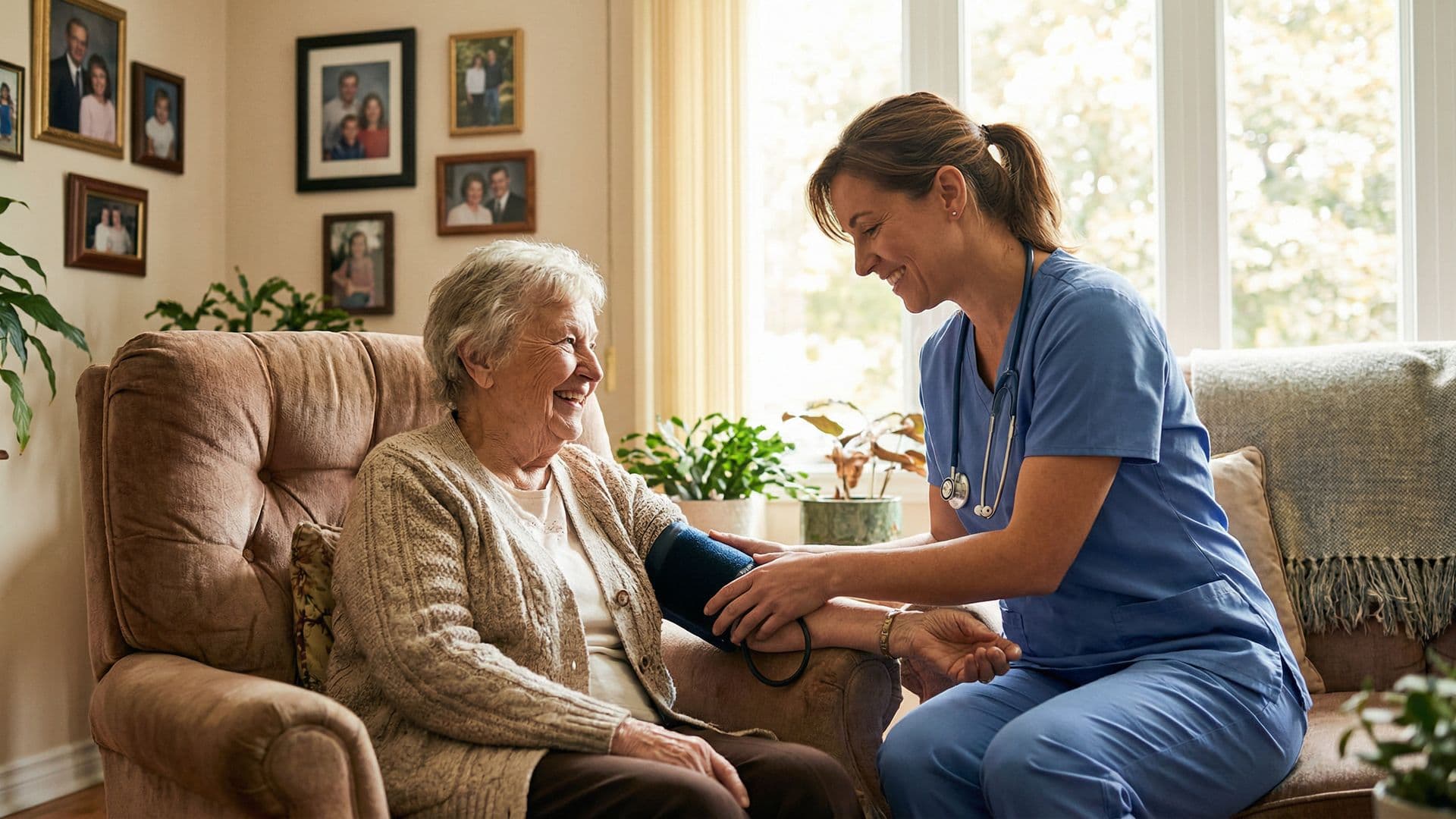
Skilled Nursing Care
Our registered nurses provide comprehensive medical care in the comfort of your home, ensuring safety, comfort, and optimal health outcomes.
Learn more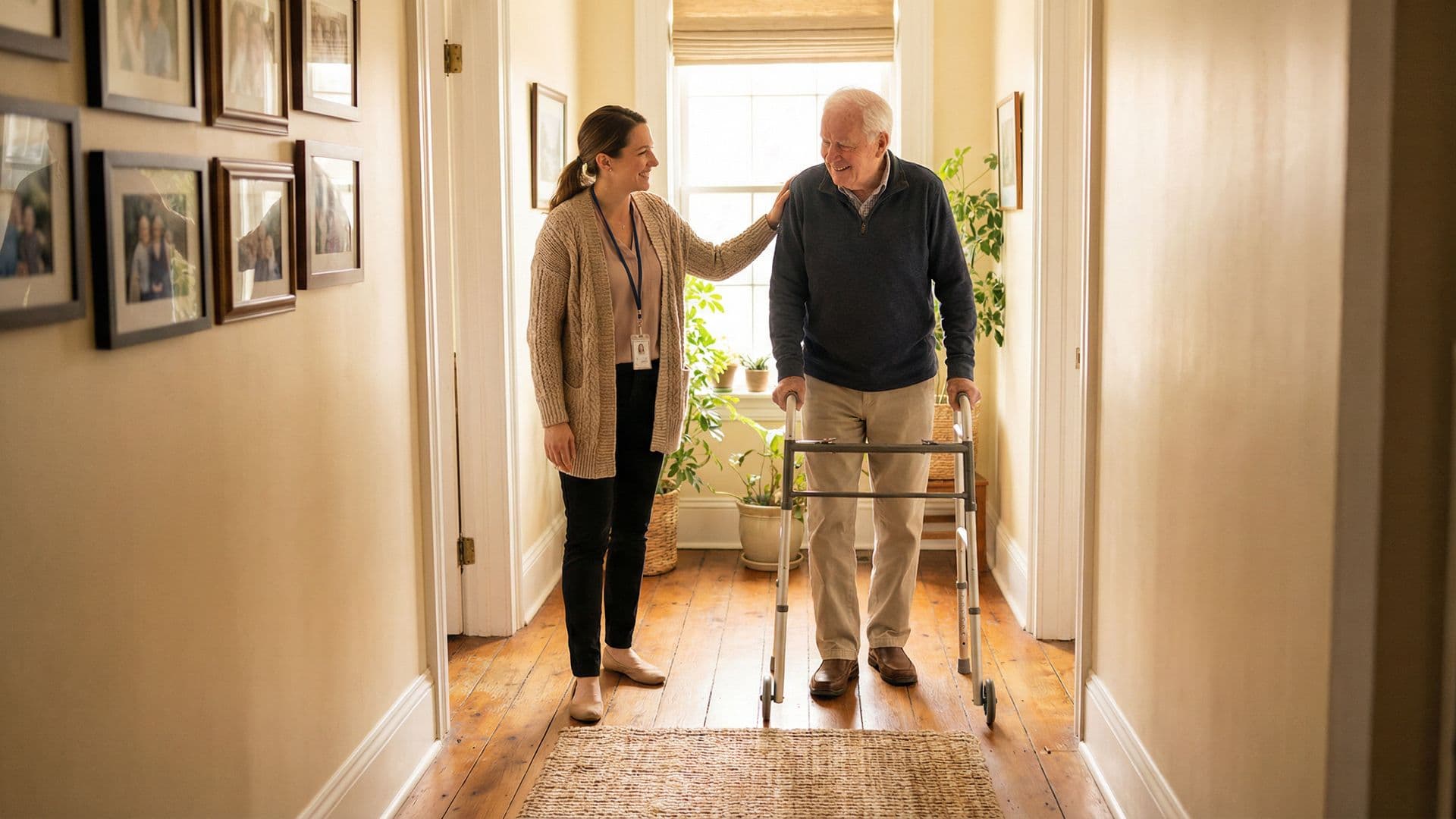
Physical Therapy
Our licensed physical therapists help restore activity, strength, and motion following illness, injury, or surgery with personalized treatment plans.
Learn moreGet help with gout at home
Our experienced clinicians provide expert immune system care in the comfort of your home. Contact us today to discuss your needs.
For life-threatening emergencies, always call 911.