If this is a life-threatening emergency, call 911 immediately.
Chest pain, severe difficulty breathing, stroke symptoms, major bleeding, or loss of consciousness require emergency medical services. This page describes non-emergency care delivered at home by skilled nurses.
Understanding Muscular Atrophy
What you should know
Muscular atrophy is the wasting or loss of muscle tissue, which can result from prolonged inactivity, neurological conditions, malnutrition, or autoimmune diseases. As muscles weaken, patients lose the ability to perform daily tasks, maintain balance, and live independently.
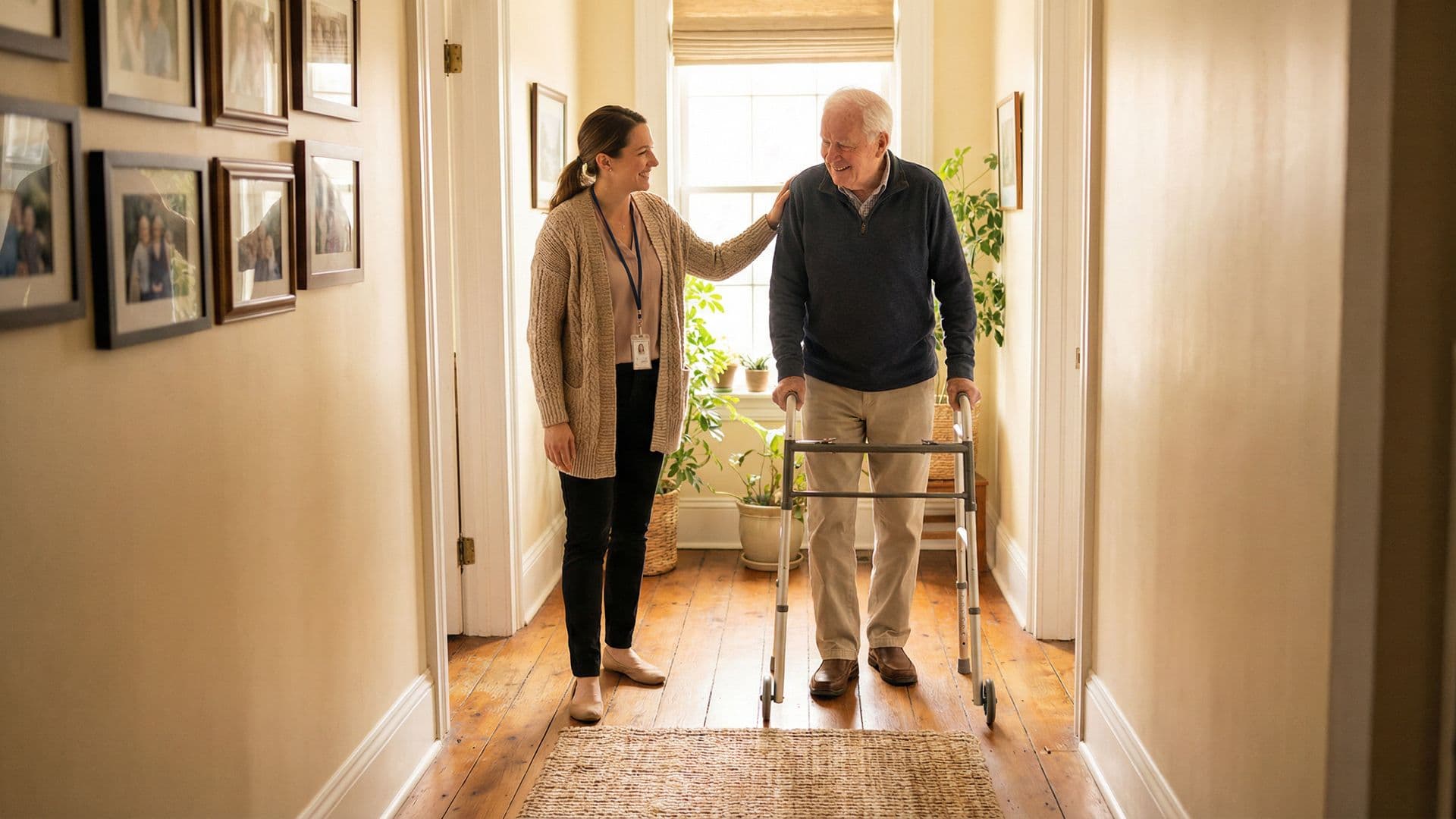
For patients recovering from extended hospital stays, those with progressive neurological conditions, or anyone experiencing deconditioning from prolonged illness, rebuilding muscle strength at home is critical. Physical therapy provides structured exercise programs that safely challenge weakened muscles, while occupational therapy helps patients adapt daily activities to their current abilities.
Our therapists design progressive strengthening programs that meet patients at their current level — whether that's learning to stand from a chair or rebuilding endurance for community outings. We monitor nutritional status because muscle rebuilding requires adequate protein intake, and we coordinate with physicians when underlying conditions are driving the atrophy.
Warning signs
You may need care if…
Your care plan
How we help at home
Expert care for muscular atrophy,
delivered to your home
Our clinicians bring hospital-level expertise to the comfort and safety of where you live.
Common questions
Muscular Atrophy — Common Questions
In many cases, yes — especially when atrophy is caused by disuse (bed rest, inactivity). The degree of recovery depends on the underlying cause, how long the atrophy has been present, nutrition, and the patient's overall health. Progressive therapy can produce meaningful strength gains even in patients with chronic conditions.
Muscle rebuilding is gradual. Most patients see initial strength improvements within 2–4 weeks of consistent therapy, but full functional recovery can take months. Our therapists set realistic goals and adjust the program as you progress.
Related services
Services involved in your care
These are the clinical services our team may use when managing muscular atrophy at home.
Physical Therapy
Our licensed physical therapists help restore activity, strength, and motion following illness, injury, or surgery with personalized treatment plans.
Learn more
Occupational Therapy
Helping patients of all ages regain independence in everyday activities through therapeutic techniques and adaptive strategies.
Learn more
Skilled Nursing Care
Our registered nurses provide comprehensive medical care in the comfort of your home, ensuring safety, comfort, and optimal health outcomes.
Learn moreGet help with muscular atrophy at home
Our experienced clinicians provide expert immune system care in the comfort of your home. Contact us today to discuss your needs.
For life-threatening emergencies, always call 911.