If this is a life-threatening emergency, call 911 immediately.
Chest pain, severe difficulty breathing, stroke symptoms, major bleeding, or loss of consciousness require emergency medical services. This page describes non-emergency care delivered at home by skilled nurses.
Understanding Lupus
What you should know
Lupus (systemic lupus erythematosus) is a chronic autoimmune disease where the immune system attacks the body's own tissues, causing inflammation and damage to joints, skin, kidneys, heart, lungs, brain, and blood cells. Lupus is unpredictable — flares can be mild or severe, and the disease affects each person differently.
Managing lupus at home requires careful medication management (immunosuppressants, antimalarials, steroids, biologics), regular lab monitoring for kidney function and blood counts, and education on recognizing flare triggers. Many lupus patients also deal with fatigue so severe that getting to medical appointments is itself a challenge.
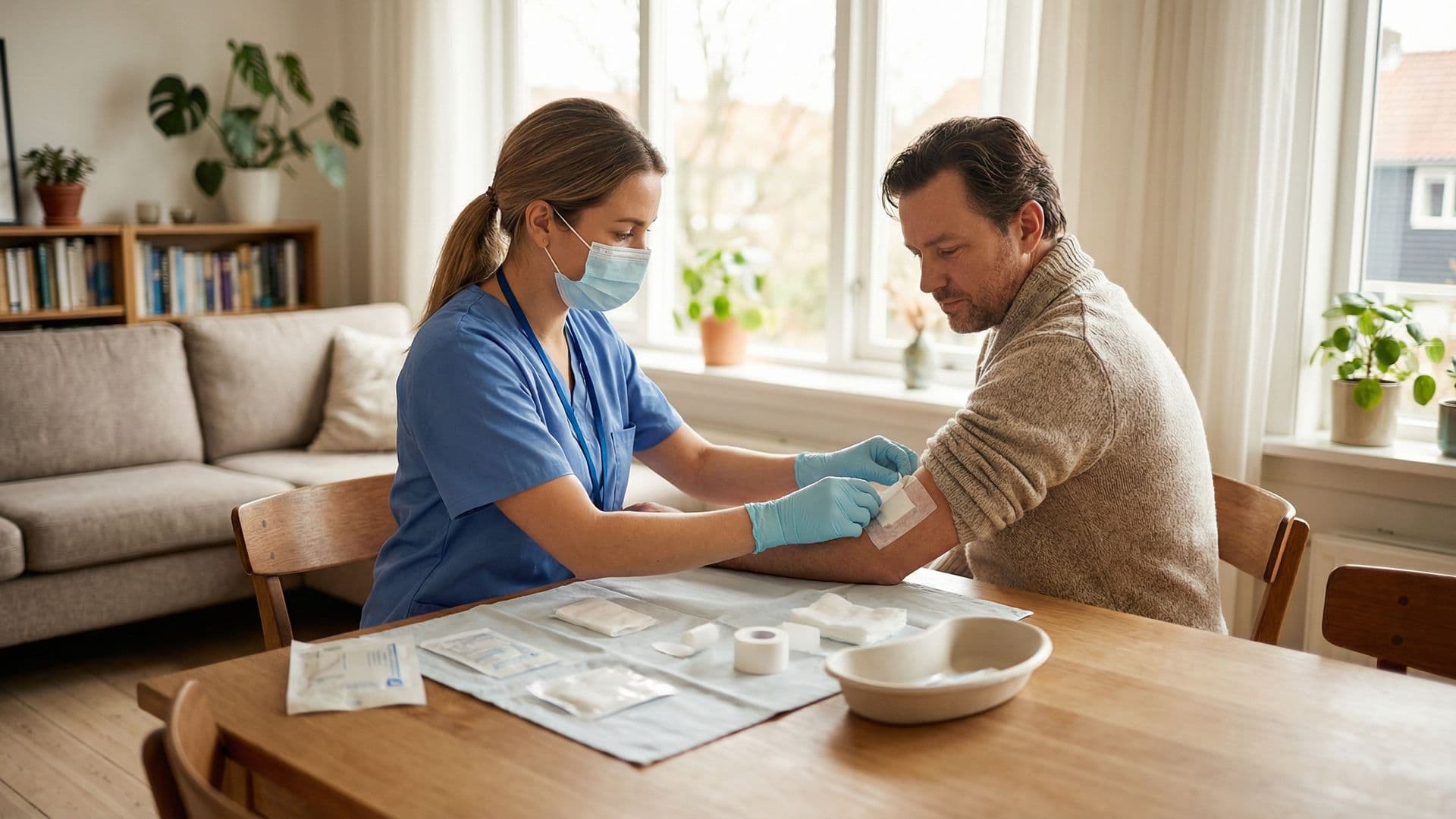
Our skilled nurses bring the monitoring and management to your home — lab draws, medication education, symptom assessment, and coordination with rheumatologists. For patients on infusion biologics like belimumab (Benlysta), we can administer those at home after the initial doses are tolerated at an infusion center.
Warning signs
You may need care if…
Your care plan
How we help at home
Expert care for lupus,
delivered to your home
Our clinicians bring hospital-level expertise to the comfort and safety of where you live.
Common questions
Lupus — Common Questions
Our nurses perform regular assessments including vital signs, joint examination, skin checks, and urine monitoring. We coordinate lab draws for CBC, metabolic panels, and inflammatory markers, sending results directly to your rheumatologist. This catches flares early before they become severe.
Yes, many lupus patients achieve periods of remission where symptoms are minimal or absent. Our goal in home health is to help you manage medications and lifestyle factors that support remission while monitoring for early signs of flares.
Related services
Services involved in your care
These are the clinical services our team may use when managing lupus at home.
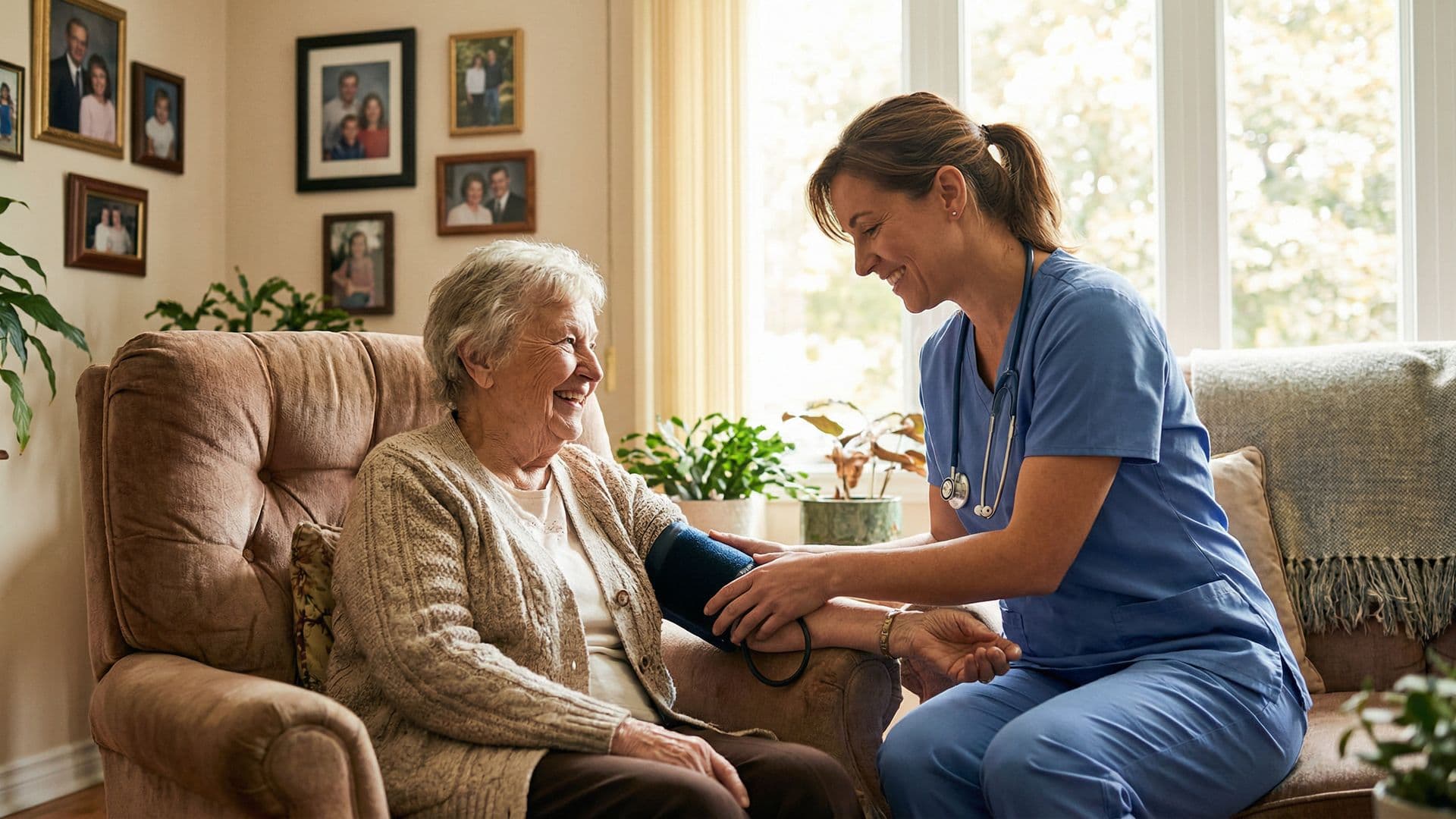
Skilled Nursing Care
Our registered nurses provide comprehensive medical care in the comfort of your home, ensuring safety, comfort, and optimal health outcomes.
Learn more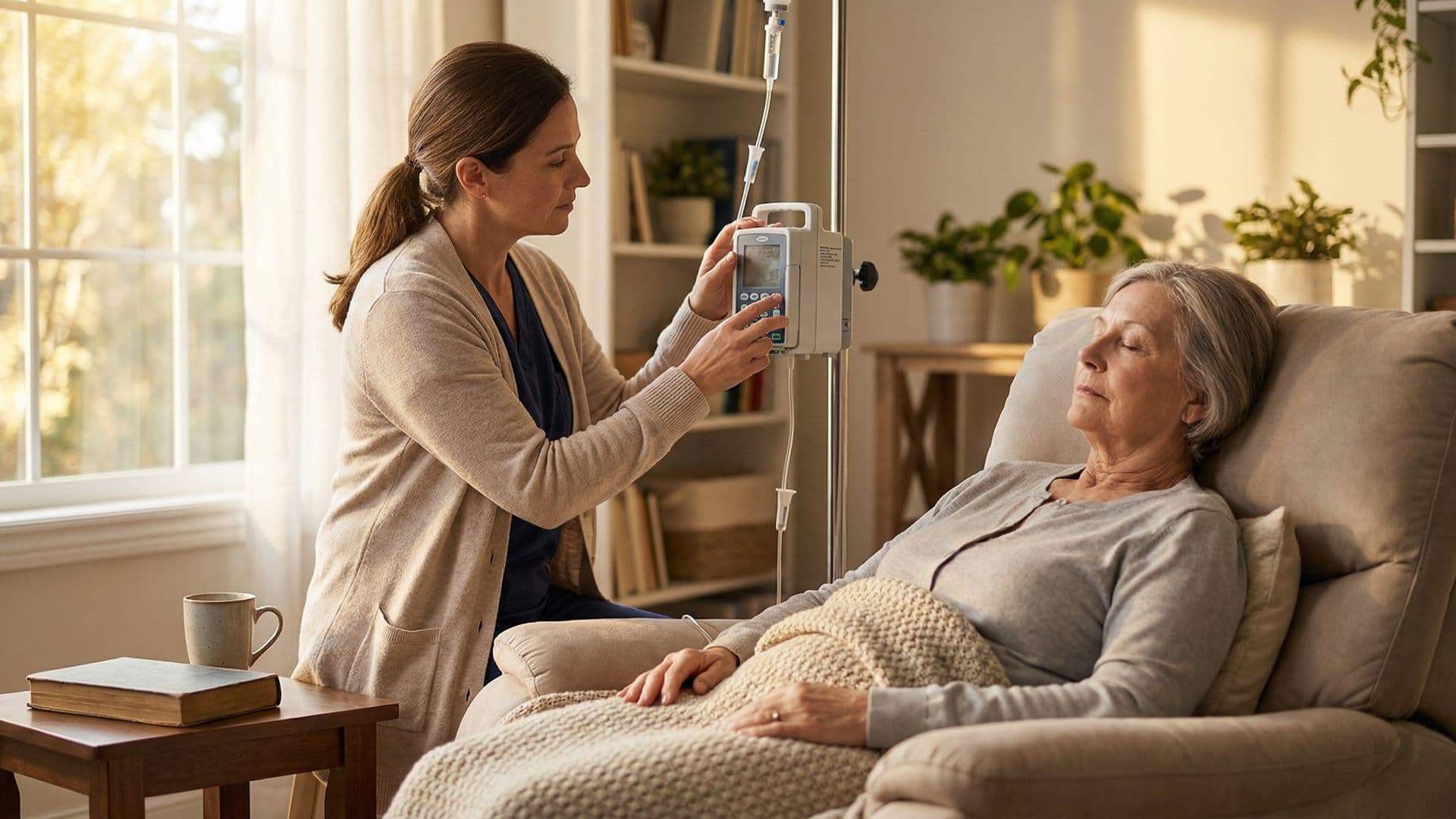
Infusion Services
Home-based intravenous therapy administered by specially trained nurses for various medical conditions.
Learn more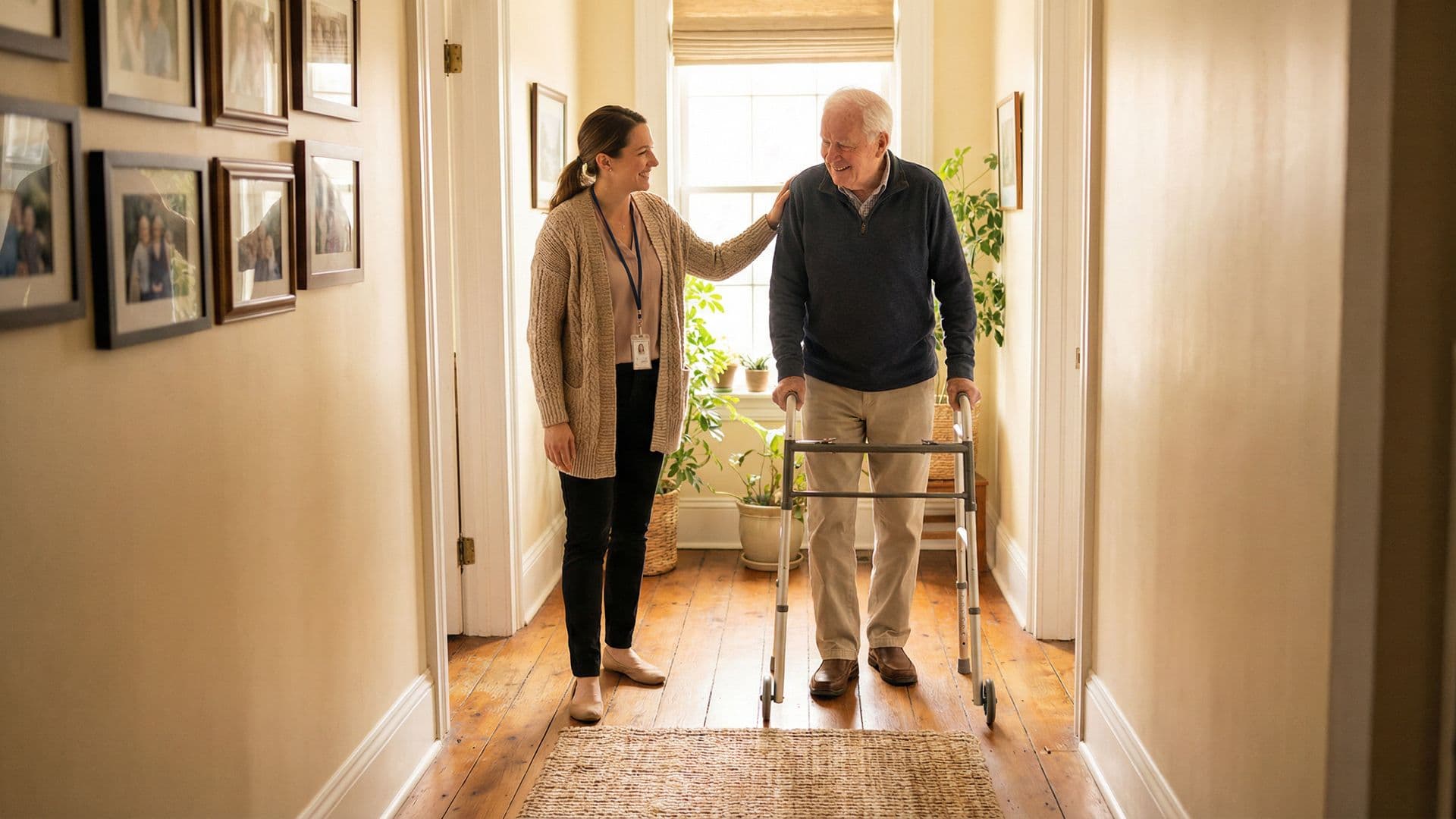
Physical Therapy
Our licensed physical therapists help restore activity, strength, and motion following illness, injury, or surgery with personalized treatment plans.
Learn moreGet help with lupus at home
Our experienced clinicians provide expert immune system care in the comfort of your home. Contact us today to discuss your needs.
For life-threatening emergencies, always call 911.