If this is a life-threatening emergency, call 911 immediately.
Chest pain, severe difficulty breathing, stroke symptoms, major bleeding, or loss of consciousness require emergency medical services. This page describes non-emergency care delivered at home by skilled nurses.

Understanding Enteral Nutrition (Tube Feeding)
What you should know
Enteral nutrition (tube feeding) delivers liquid nutrition directly to the stomach or small intestine through a feeding tube. Common tube types include G-tubes (gastrostomy — into the stomach), J-tubes (jejunostomy — into the small intestine), and NG tubes (nasogastric — through the nose). Patients may need tube feeding due to swallowing disorders (dysphagia), neurological conditions, cancer, or any condition that prevents adequate oral intake.
Managing tube feeding at home involves tube site care, formula preparation and administration (by gravity or pump), monitoring for complications (aspiration, clogging, diarrhea, dehydration), and ensuring adequate nutrition. The learning curve is significant, especially for caregivers who've never managed medical equipment.
Our nurses provide comprehensive tube feeding education: site care, formula administration via pump or gravity, troubleshooting common problems (clogging, leaking, skin irritation), monitoring weight and hydration, and medication administration through the tube. We transform a daunting medical task into a manageable part of daily life.
Warning signs
You may need care if…
Your care plan
How we help at home
Expert care for enteral nutrition (tube feeding),
delivered to your home
Our clinicians bring hospital-level expertise to the comfort and safety of where you live.
Common questions
Enteral Nutrition (Tube Feeding) — Common Questions
It depends on why the tube was placed. Some patients use tube feeding to supplement oral intake (they can eat some food by mouth but not enough). Others have swallowing disorders that make oral eating unsafe (aspiration risk). Our speech therapists assess swallowing safety, and your physician determines whether oral intake is safe alongside tube feeding.
Most oral medications can be given through a feeding tube, but they often need to be in liquid form or crushed (some medications cannot be crushed — we check each one). Our nurses teach the proper technique: stop the feeding, flush the tube, give the medication, flush again, and resume feeding. Timing around feeding schedules matters for some medications.
Related services
Services involved in your care
These are the clinical services our team may use when managing enteral nutrition (tube feeding) at home.
Skilled Nursing Care
Our registered nurses provide comprehensive medical care in the comfort of your home, ensuring safety, comfort, and optimal health outcomes.
Learn more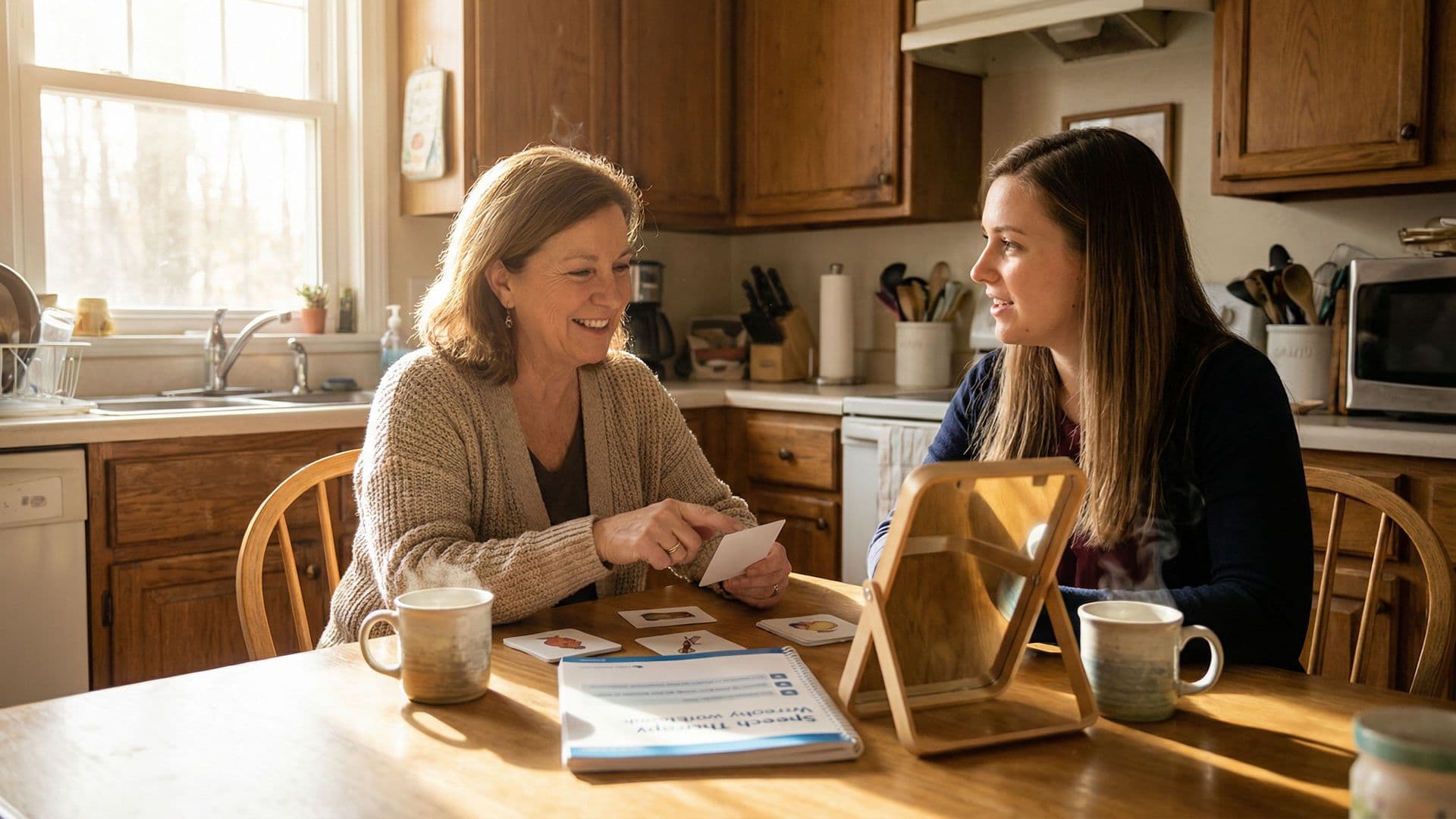
Speech Therapy
Expert speech-language pathologists treating communication and swallowing disorders to improve quality of life.
Learn moreGet help with enteral nutrition (tube feeding) at home
Our experienced clinicians provide expert general care in the comfort of your home. Contact us today to discuss your needs.
For life-threatening emergencies, always call 911.