If this is a life-threatening emergency, call 911 immediately.
Chest pain, severe difficulty breathing, stroke symptoms, major bleeding, or loss of consciousness require emergency medical services. This page describes non-emergency care delivered at home by skilled nurses.

Understanding Colitis
What you should know
Colitis is inflammation of the colon that can be caused by infection, autoimmune disease (ulcerative colitis), ischemia (reduced blood flow), or medication reactions. Symptoms include abdominal pain, diarrhea (often bloody), urgency, and fatigue. Severe colitis can lead to dehydration, malnutrition, and hospitalization.
Ulcerative colitis — the most common form requiring long-term home health — is a chronic autoimmune condition that cycles through flares and remission. Treatment includes anti-inflammatory medications, immunosuppressants, biologic infusions, and sometimes surgery (colectomy with ileostomy or J-pouch).
Our home health team supports colitis patients through biologic infusion administration (infliximab, vedolizumab), nutritional monitoring during flares, medication management, ostomy care for post-surgical patients, and hydration support during severe flares when dehydration is a risk.
Warning signs
You may need care if…
Your care plan
How we help at home
Expert care for colitis,
delivered to your home
Our clinicians bring hospital-level expertise to the comfort and safety of where you live.
Common questions
Colitis — Common Questions
Ulcerative colitis is a chronic condition without a cure, but it can be effectively managed. Medications can maintain remission for long periods, and surgery (removal of the colon) eliminates the disease but requires living with an ileostomy or J-pouch. Our team supports whichever treatment path you and your gastroenterologist choose.
During flares, a low-residue diet (low fiber, easily digestible foods) is typically recommended: white rice, bananas, lean protein, cooked vegetables. Avoid raw vegetables, whole grains, spicy foods, dairy, and caffeine. Between flares, a more normal diet is usually tolerated. Our nurses provide individualized dietary guidance based on your symptoms and triggers.
Related services
Services involved in your care
These are the clinical services our team may use when managing colitis at home.
Infusion Services
Home-based intravenous therapy administered by specially trained nurses for various medical conditions.
Learn more
Skilled Nursing Care
Our registered nurses provide comprehensive medical care in the comfort of your home, ensuring safety, comfort, and optimal health outcomes.
Learn more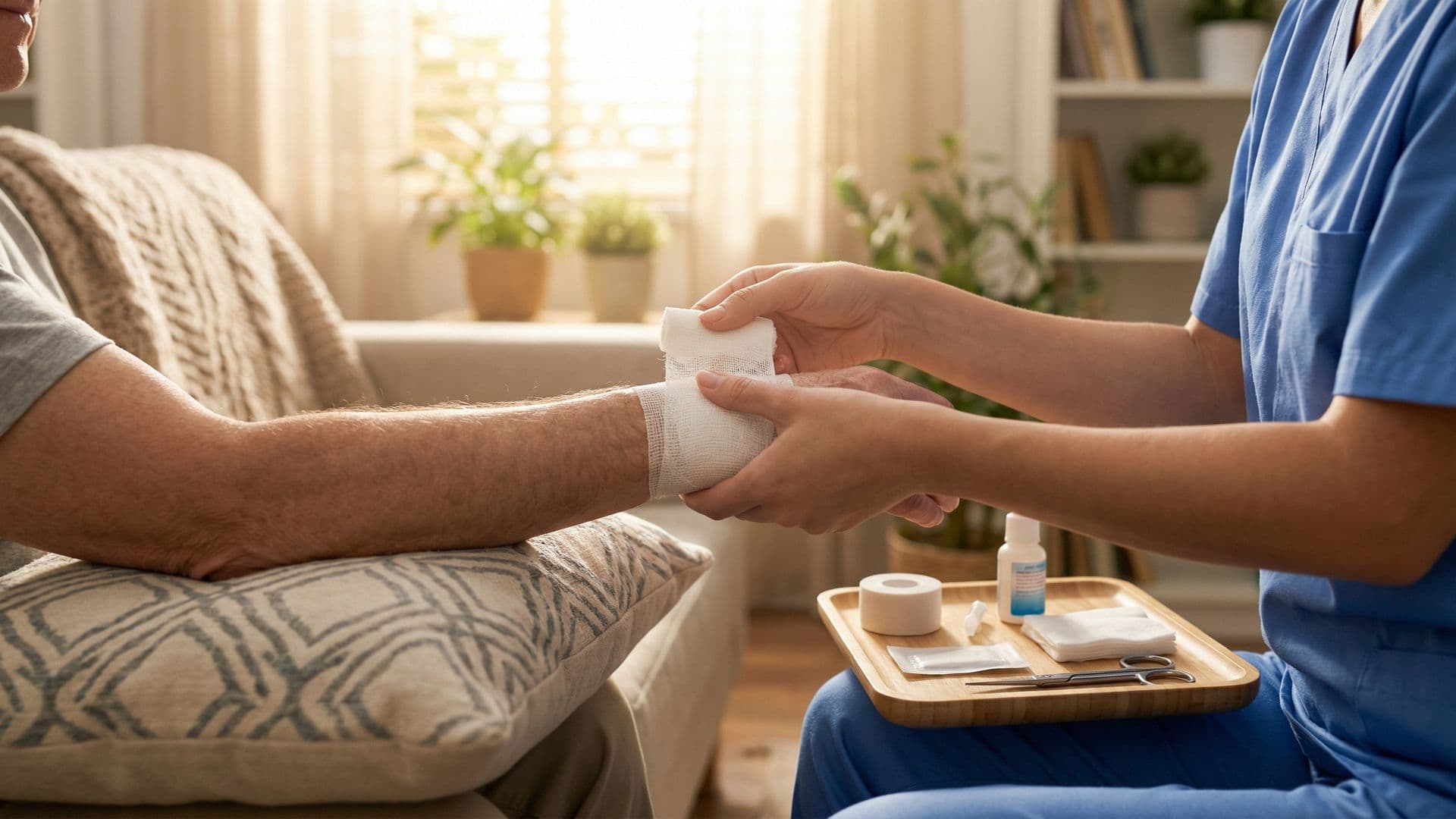
Wound Care
Specialized wound care management for chronic, surgical, and complex wounds using evidence-based treatment protocols.
Learn moreGet help with colitis at home
Our experienced clinicians provide expert general care in the comfort of your home. Contact us today to discuss your needs.
For life-threatening emergencies, always call 911.