If this is a life-threatening emergency, call 911 immediately.
Chest pain, severe difficulty breathing, stroke symptoms, major bleeding, or loss of consciousness require emergency medical services. This page describes non-emergency care delivered at home by skilled nurses.
Understanding Alzheimer's & Dementia Care
What you should know
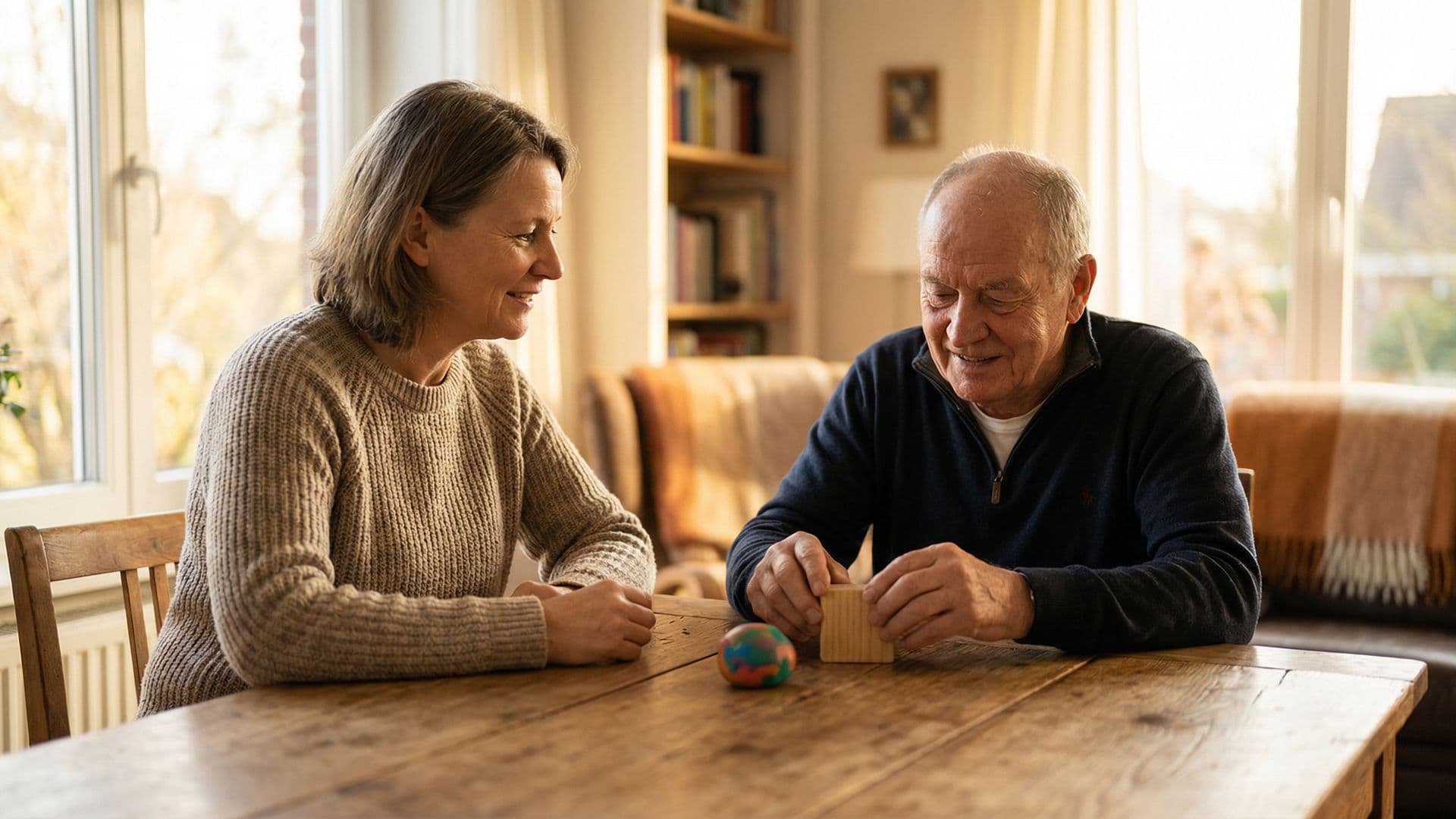
Alzheimer's disease is the most common cause of dementia, a group of symptoms that affect memory, thinking, and social abilities severely enough to interfere with daily life. Alzheimer's is progressive — it worsens over time — and currently has no cure, though medications and care strategies can temporarily slow symptoms and improve quality of life.
Caring for someone with Alzheimer's at home is both a gift and a challenge. As the disease progresses, patients need increasing help with medications, meals, personal hygiene, mobility, and safety. Caregivers — usually family members — often experience burnout, isolation, and their own health decline.
Our home health team supports both the patient and the caregiver. Skilled nurses manage medications, assess cognitive and physical status, and coordinate with neurologists. Physical therapists work on mobility and fall prevention (patients with dementia are at high fall risk). Speech therapists address swallowing difficulties and communication strategies. And we educate caregivers on behavior management, safety measures, and self-care.
Warning signs
You may need care if…
Your care plan
How we help at home
Expert care for alzheimer's & dementia care,
delivered to your home
Our clinicians bring hospital-level expertise to the comfort and safety of where you live.
Common questions
Alzheimer's & Dementia Care — Common Questions
We provide skilled medical services that complement daily caregiving: medication management, therapy to maintain physical function as long as possible, swallowing assessments to prevent aspiration, and caregiver training on the specific challenges each stage of the disease brings. We're the medical team that comes to your home.
There's no wrong time to start, but earlier is generally better. In early to middle stages, we focus on maintaining function and educating caregivers. In later stages, we manage the complex medical needs (swallowing, skin integrity, medication management) that arise. Many families start home health after a hospitalization or when they notice a significant change in function.
Related services
Services involved in your care
These are the clinical services our team may use when managing alzheimer's & dementia care at home.
Neurological Care
Specialized care for patients with stroke, Parkinson's, MS, and other neurological conditions.
Learn more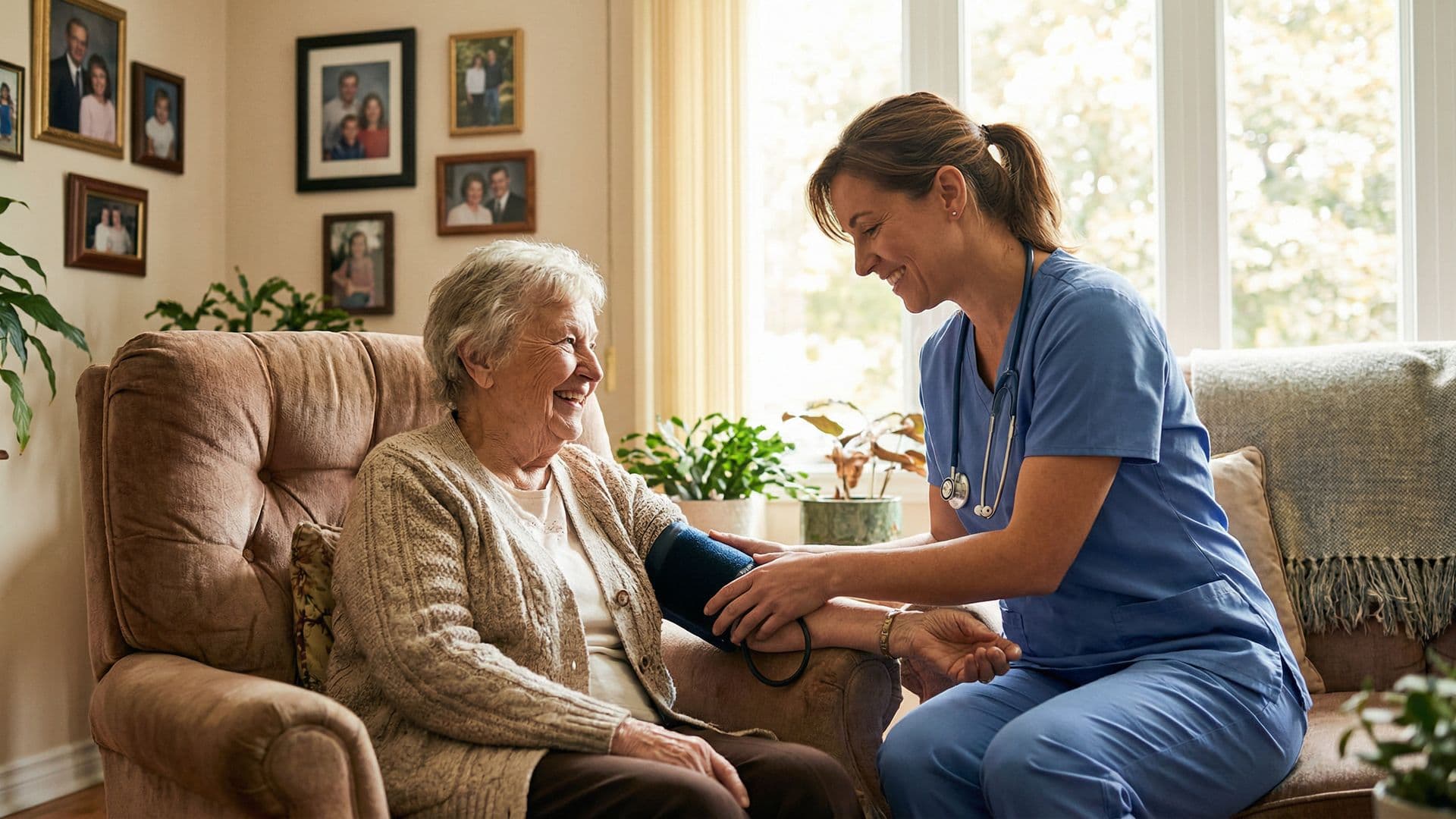
Skilled Nursing Care
Our registered nurses provide comprehensive medical care in the comfort of your home, ensuring safety, comfort, and optimal health outcomes.
Learn more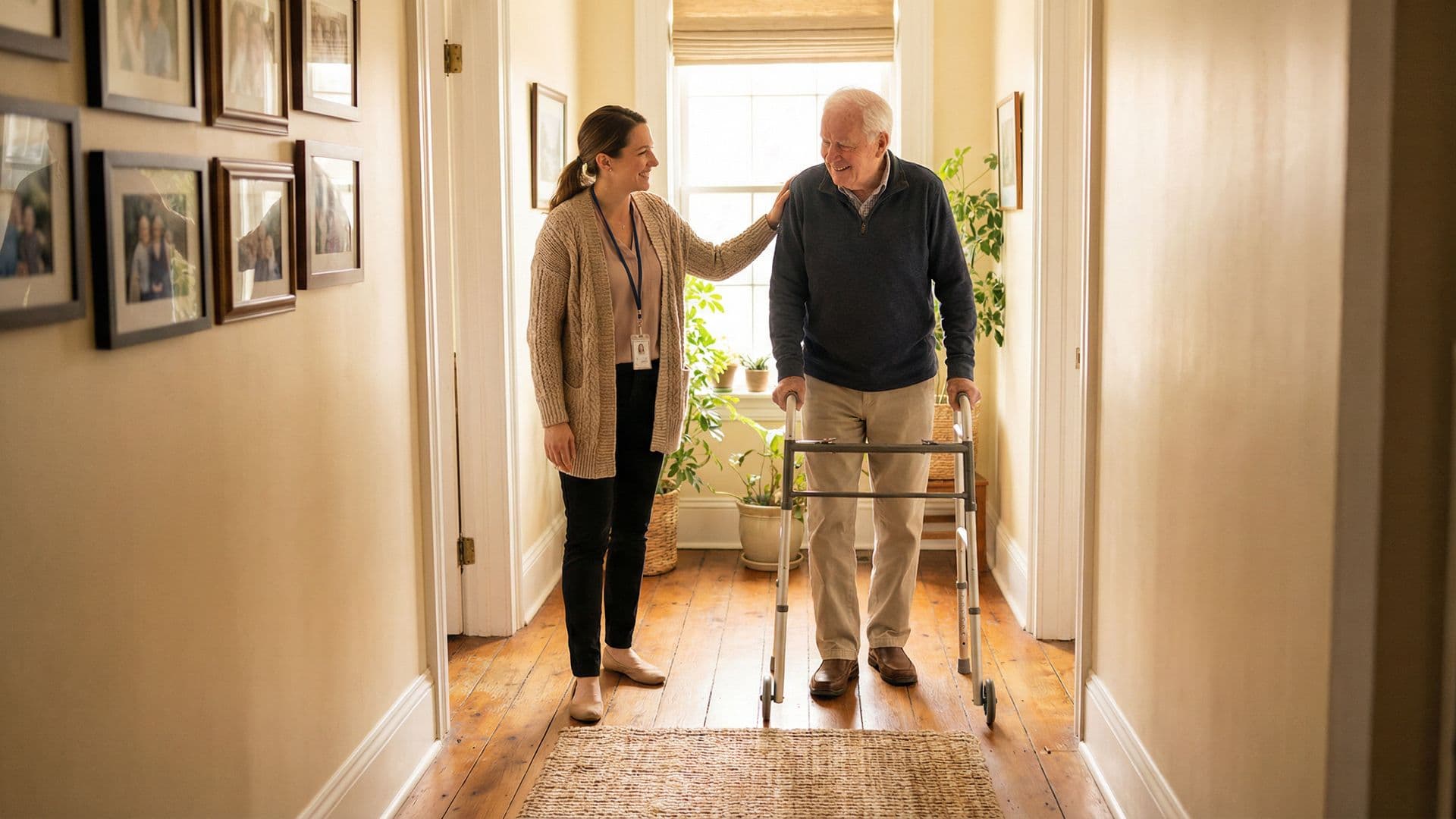
Physical Therapy
Our licensed physical therapists help restore activity, strength, and motion following illness, injury, or surgery with personalized treatment plans.
Learn more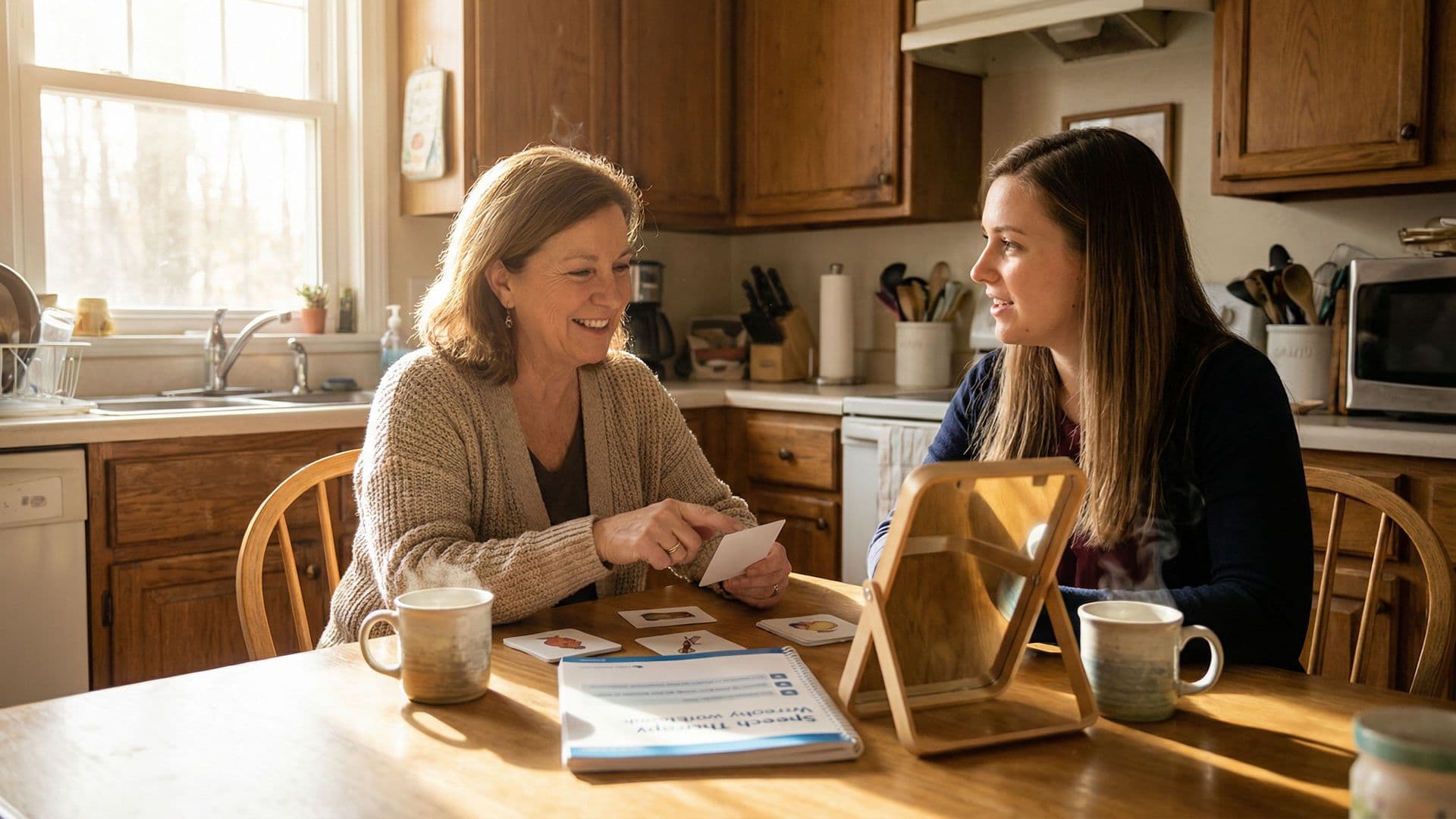
Speech Therapy
Expert speech-language pathologists treating communication and swallowing disorders to improve quality of life.
Learn more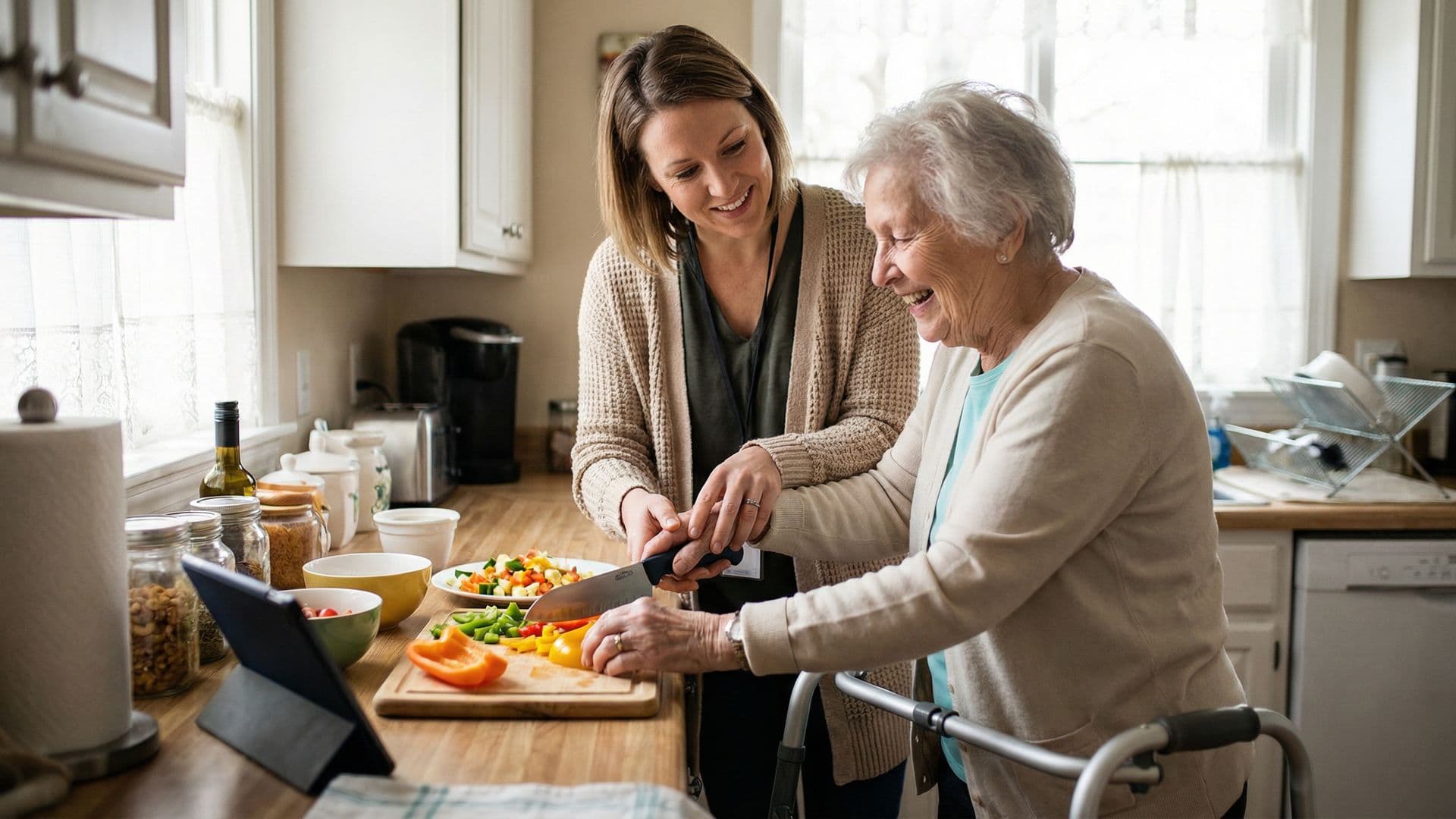
Occupational Therapy
Helping patients of all ages regain independence in everyday activities through therapeutic techniques and adaptive strategies.
Learn moreGet help with alzheimer's & dementia care at home
Our experienced clinicians provide expert neurological care in the comfort of your home. Contact us today to discuss your needs.
For life-threatening emergencies, always call 911.