If this is a life-threatening emergency, call 911 immediately.
Chest pain, severe difficulty breathing, stroke symptoms, major bleeding, or loss of consciousness require emergency medical services. This page describes non-emergency care delivered at home by skilled nurses.
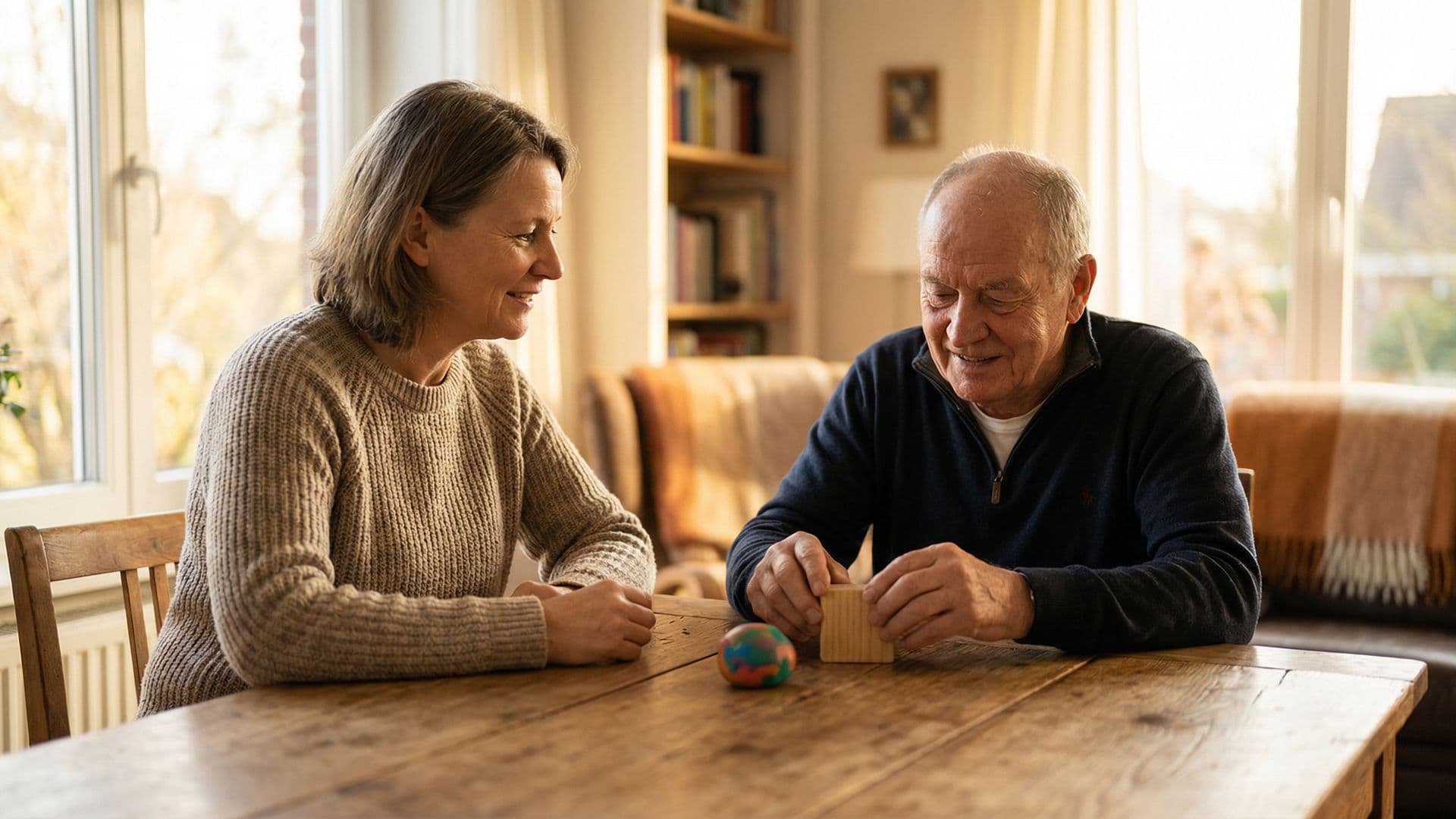
Understanding Traumatic Brain Injury (TBI)
What you should know
Traumatic brain injury occurs when an external force injures the brain — from car accidents, falls, sports injuries, or violence. TBI severity ranges from mild concussion to severe injury with prolonged unconsciousness and permanent disability. Even mild TBIs can cause persistent symptoms that affect daily life for weeks or months.
Recovering from a moderate to severe TBI at home requires a coordinated team approach. Patients may have physical deficits (weakness, balance problems), cognitive challenges (memory, attention, executive function), communication difficulties, and behavioral changes (irritability, impulsivity, emotional dysregulation). Each of these requires specialized therapy.
Our home health program for TBI includes physical therapy for motor recovery, speech therapy for cognitive-linguistic rehabilitation, occupational therapy for daily living skills, and skilled nursing for medication management and seizure precautions. We also provide significant caregiver education because caring for a TBI survivor is uniquely challenging.
Warning signs
You may need care if…
Your care plan
How we help at home
Expert care for traumatic brain injury (tbi),
delivered to your home
Our clinicians bring hospital-level expertise to the comfort and safety of where you live.
Common questions
Traumatic Brain Injury (TBI) — Common Questions
Recovery timelines vary enormously based on injury severity. Mild TBIs (concussions) typically resolve within weeks to months. Moderate to severe TBIs may require years of rehabilitation, and some deficits may be permanent. The brain continues to heal and adapt for months to years after injury, and therapy helps maximize that recovery.
Yes. The brain has significant neuroplasticity — the ability to form new neural connections. Cognitive rehabilitation through speech therapy uses structured exercises and compensatory strategies to improve memory, attention, problem-solving, and communication. Early, intensive therapy produces the best outcomes.
Related services
Services involved in your care
These are the clinical services our team may use when managing traumatic brain injury (tbi) at home.
Neurological Care
Specialized care for patients with stroke, Parkinson's, MS, and other neurological conditions.
Learn more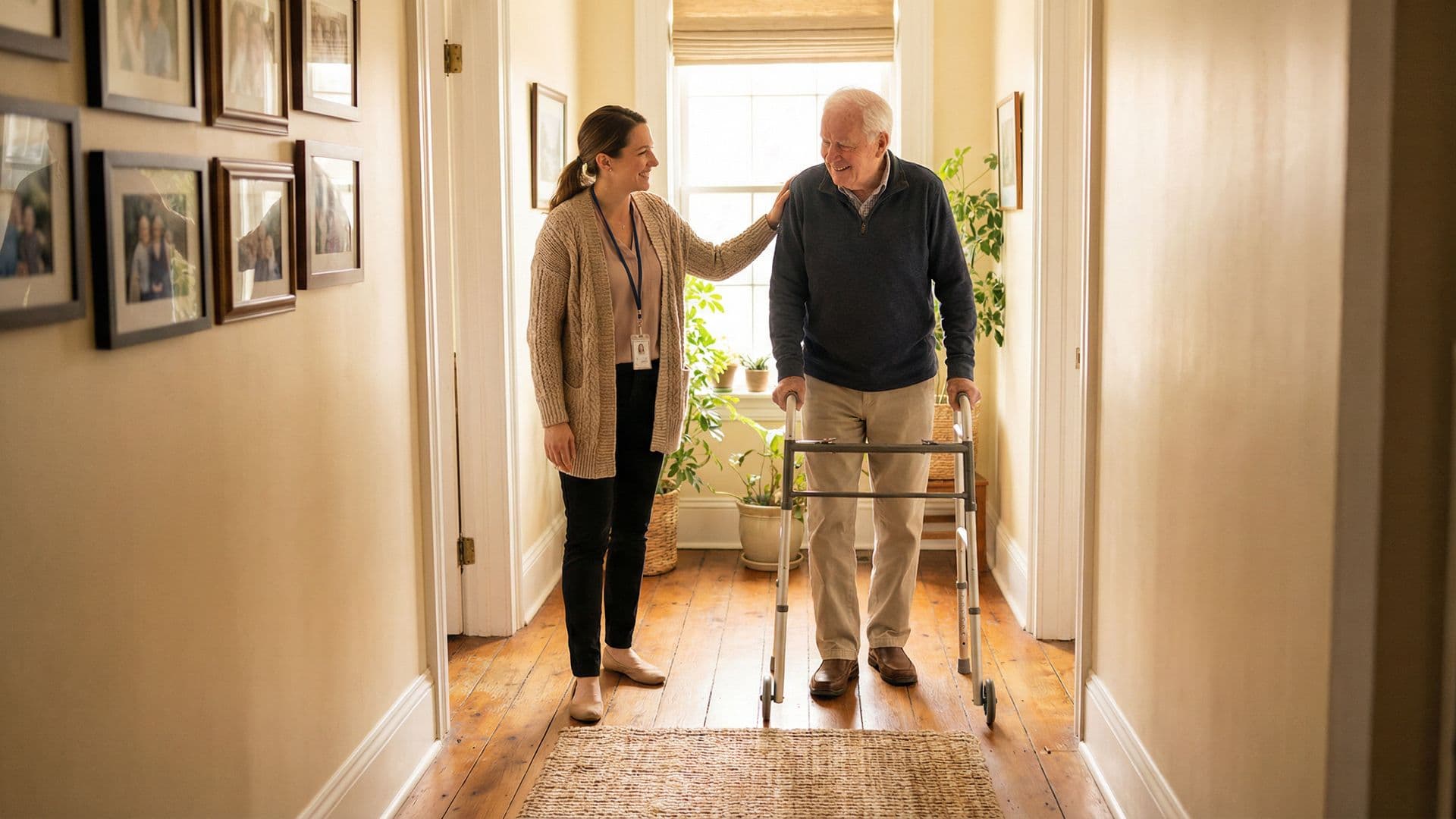
Physical Therapy
Our licensed physical therapists help restore activity, strength, and motion following illness, injury, or surgery with personalized treatment plans.
Learn more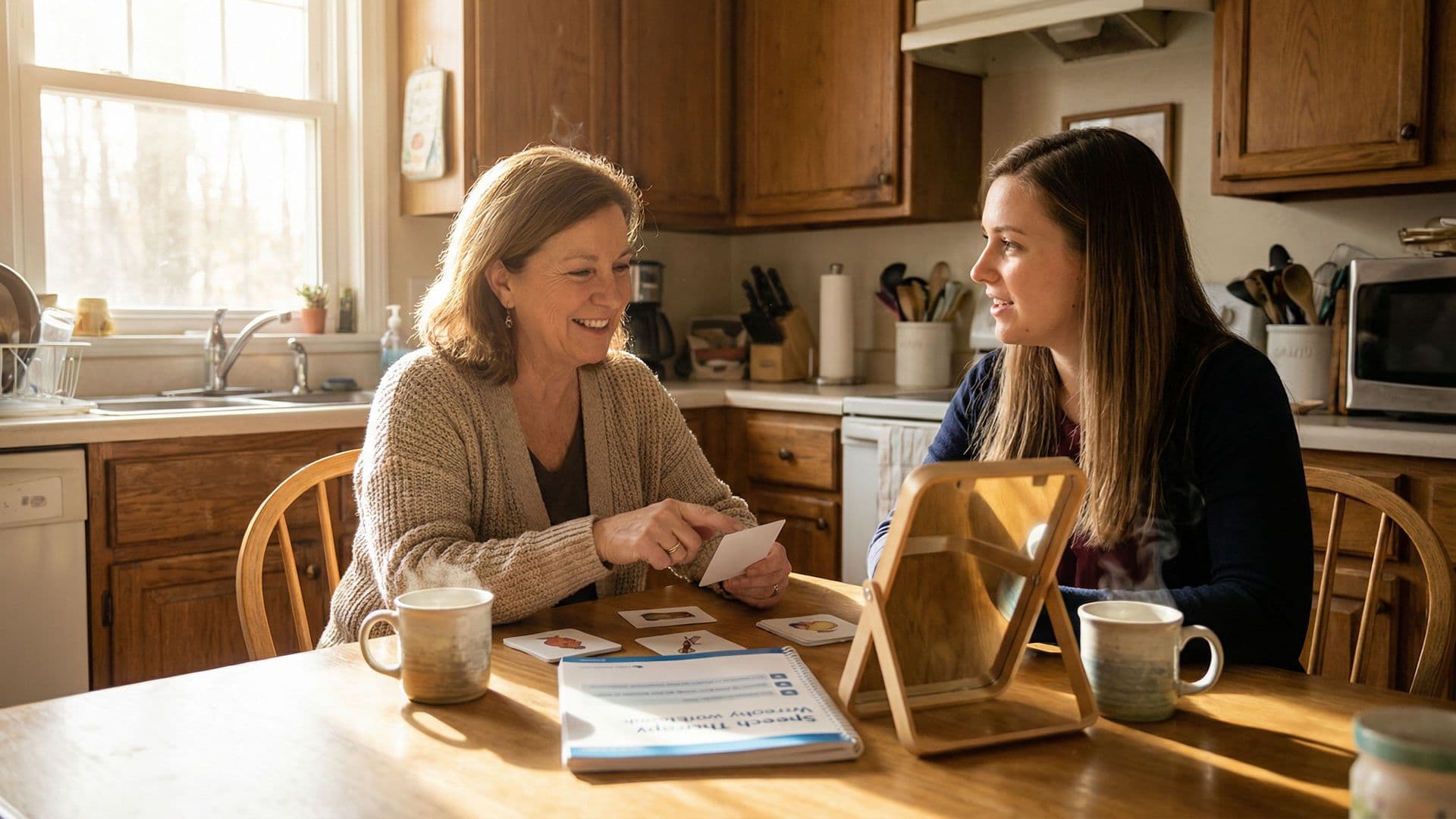
Speech Therapy
Expert speech-language pathologists treating communication and swallowing disorders to improve quality of life.
Learn more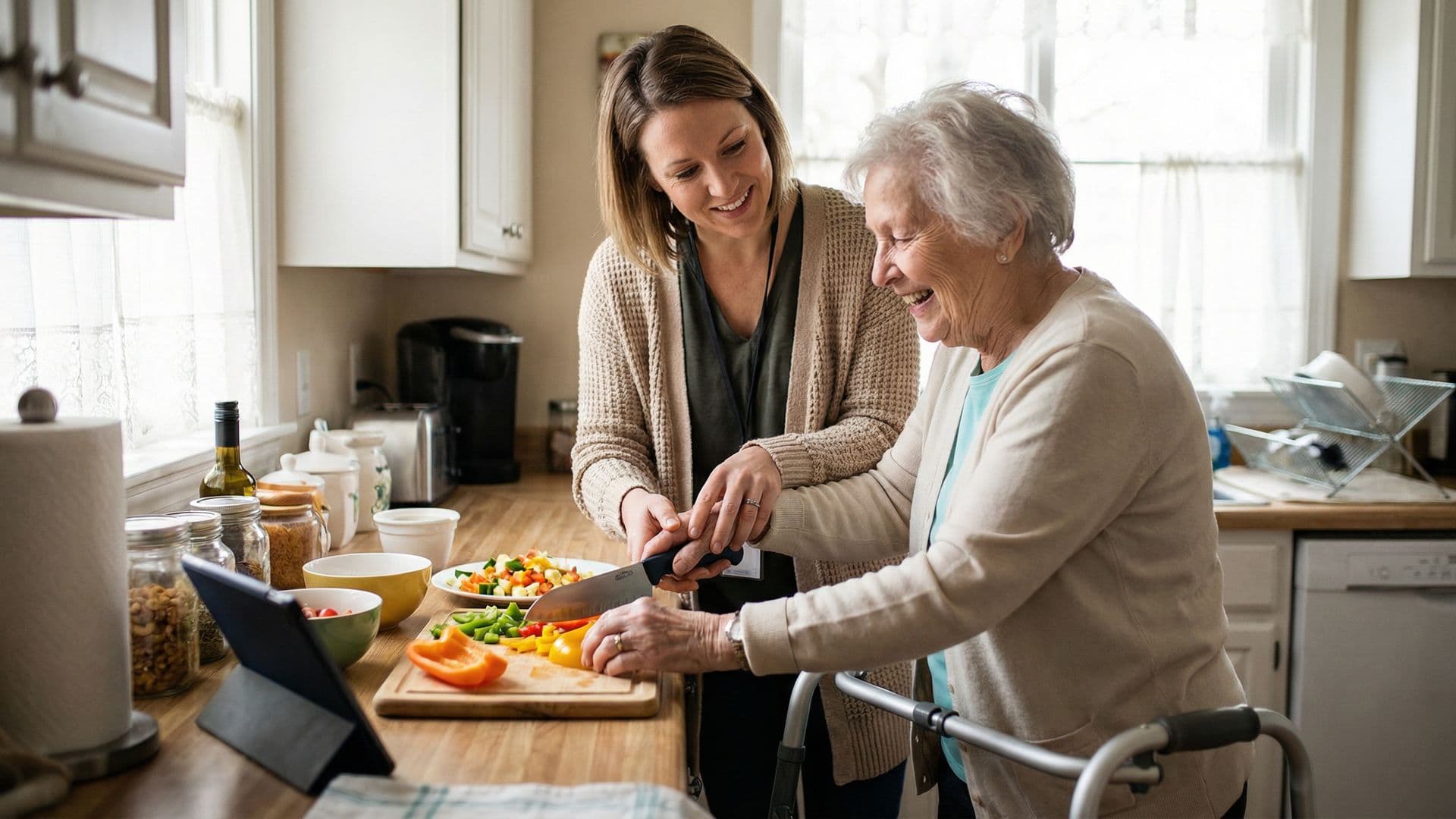
Occupational Therapy
Helping patients of all ages regain independence in everyday activities through therapeutic techniques and adaptive strategies.
Learn more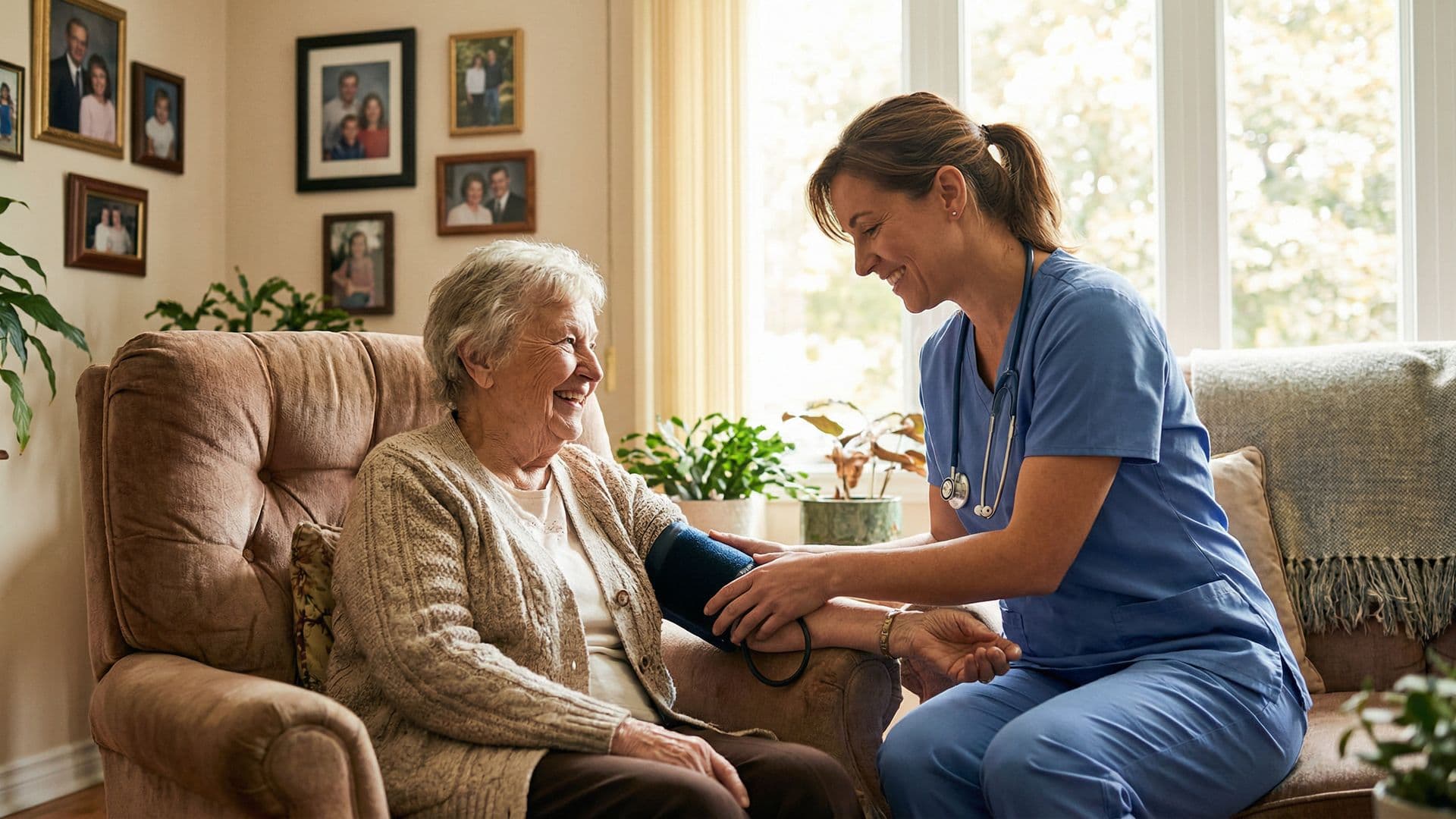
Skilled Nursing Care
Our registered nurses provide comprehensive medical care in the comfort of your home, ensuring safety, comfort, and optimal health outcomes.
Learn moreGet help with traumatic brain injury (tbi) at home
Our experienced clinicians provide expert neurological care in the comfort of your home. Contact us today to discuss your needs.
For life-threatening emergencies, always call 911.