If this is a life-threatening emergency, call 911 immediately.
Chest pain, severe difficulty breathing, stroke symptoms, major bleeding, or loss of consciousness require emergency medical services. This page describes non-emergency care delivered at home by skilled nurses.
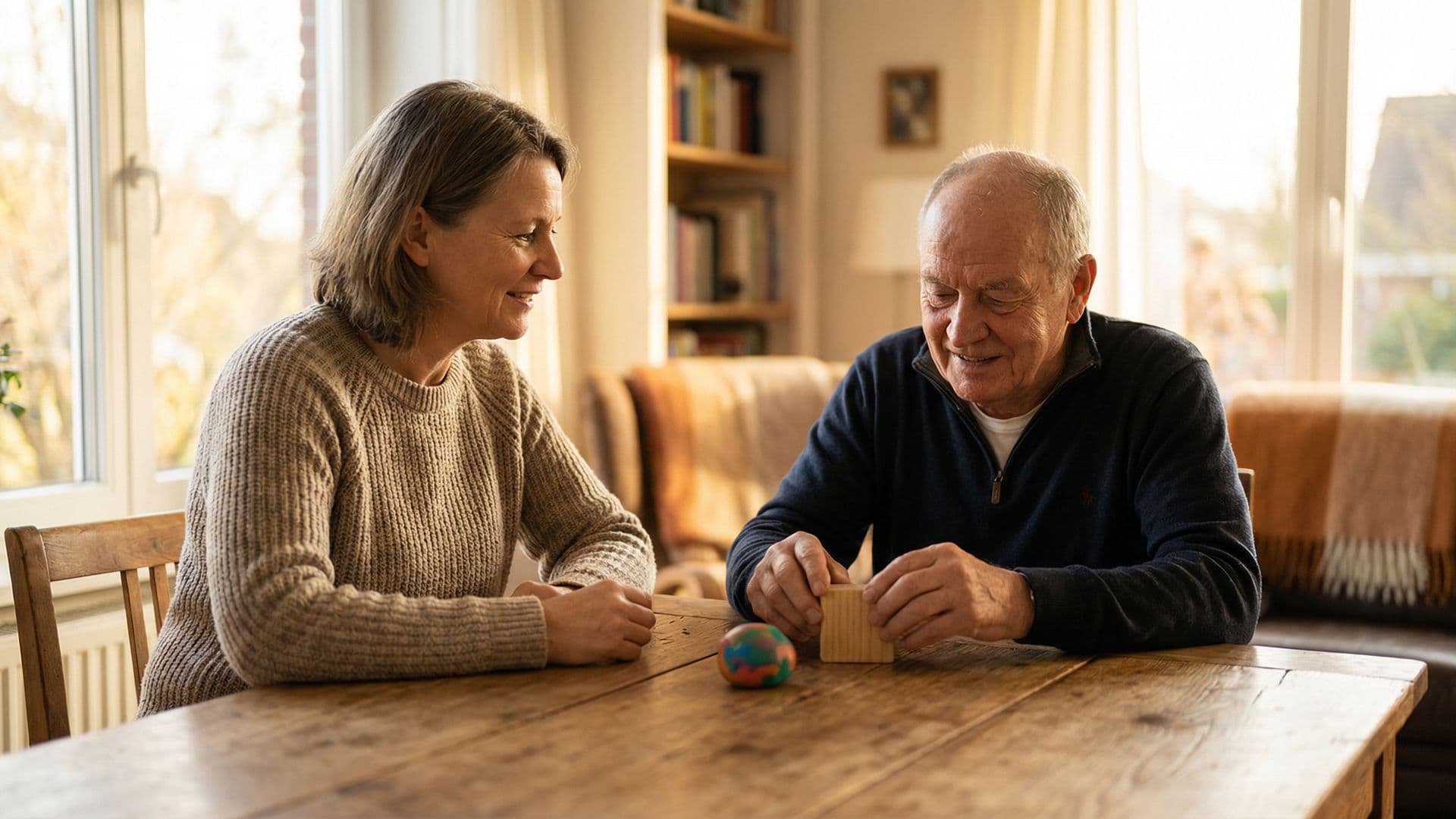
Understanding Paraplegia
What you should know
Paraplegia is paralysis of the lower body, typically resulting from spinal cord injury, though it can also be caused by tumors, infections, or vascular events affecting the spinal cord. Patients with paraplegia lose motor function and sensation below the level of injury, affecting mobility, bowel and bladder function, and skin integrity.
Transitioning home after a spinal cord injury is a major life change. Home health bridges the gap between inpatient rehabilitation and independent living. Our team addresses the medical complexities — skin care to prevent pressure ulcers, bowel and bladder management programs, pain management, respiratory care for higher-level injuries — while our therapists help maximize function and independence with wheelchair skills, transfer training, and adaptive equipment.
We also support the emotional and practical adjustments. Home modifications, caregiver training, community resource connections, and mental health screening are all part of comprehensive paraplegia care.
Warning signs
You may need care if…
Your care plan
How we help at home
Expert care for paraplegia,
delivered to your home
Our clinicians bring hospital-level expertise to the comfort and safety of where you live.
Common questions
Paraplegia — Common Questions
Pressure ulcer prevention is a top priority. Our nurses assess skin at every visit, establish repositioning schedules, recommend appropriate wheelchair cushions and mattresses, educate on weight shifts, and monitor nutrition (adequate protein is essential for skin integrity). Prevention is far more effective than treatment — a single pressure ulcer can take months to heal.
Absolutely. While therapy can't restore function below the injury level, it maximizes what you can do. Upper body strengthening, wheelchair skills, transfer techniques, and standing frame programs all improve independence and quality of life. For incomplete injuries, therapy may help recover function in partially affected areas.
Related services
Services involved in your care
These are the clinical services our team may use when managing paraplegia at home.
Neurological Care
Specialized care for patients with stroke, Parkinson's, MS, and other neurological conditions.
Learn more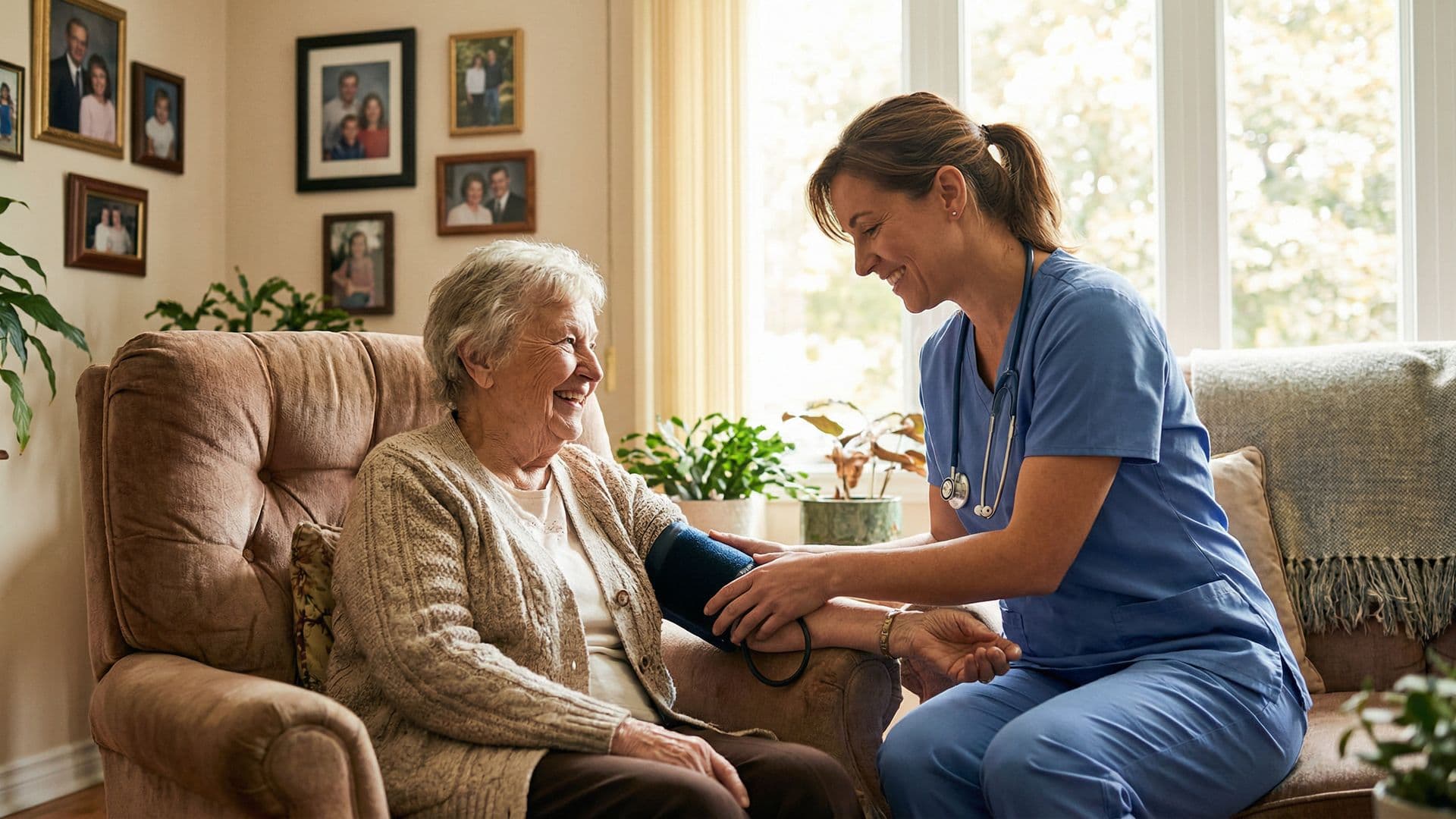
Skilled Nursing Care
Our registered nurses provide comprehensive medical care in the comfort of your home, ensuring safety, comfort, and optimal health outcomes.
Learn more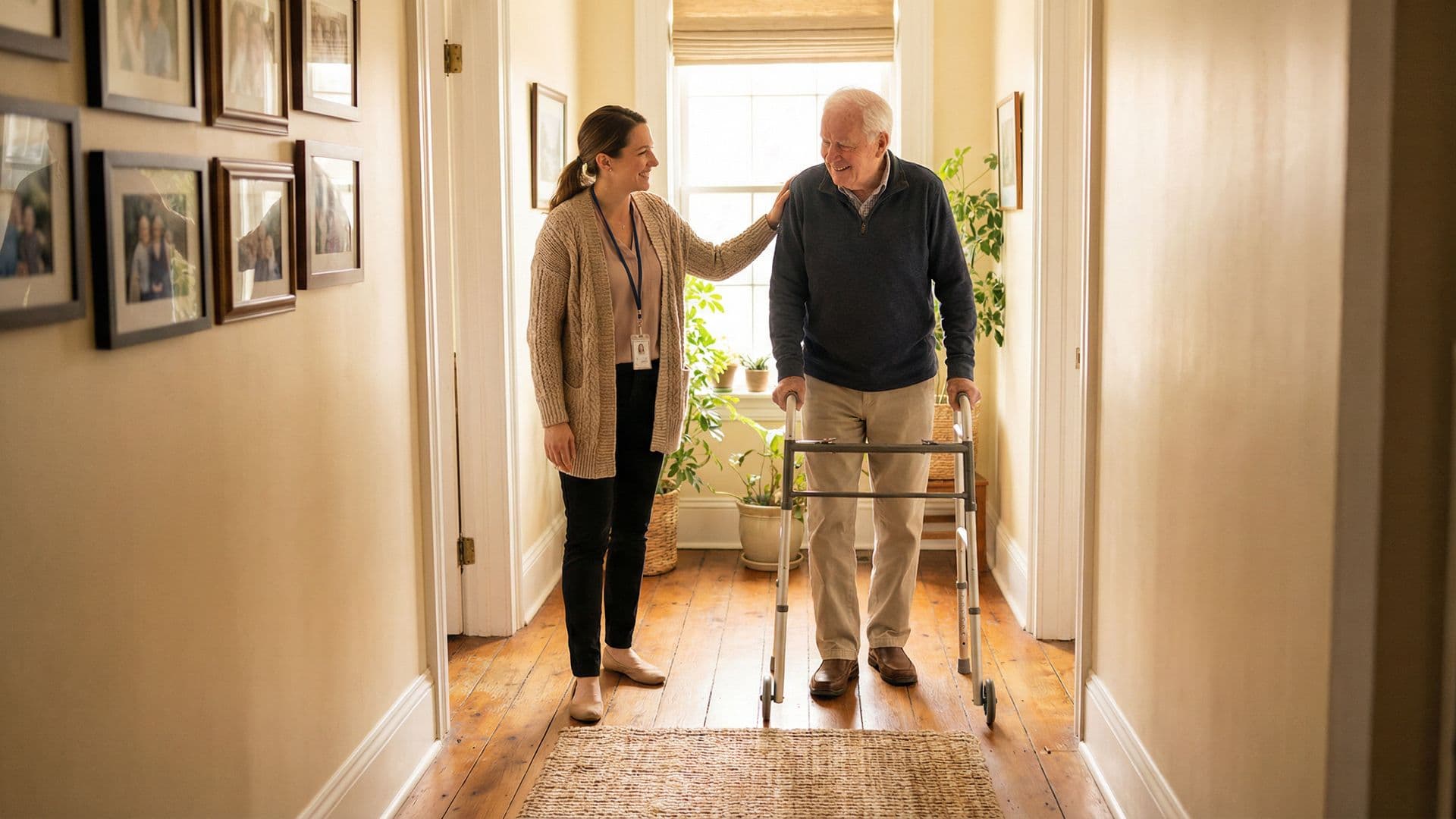
Physical Therapy
Our licensed physical therapists help restore activity, strength, and motion following illness, injury, or surgery with personalized treatment plans.
Learn more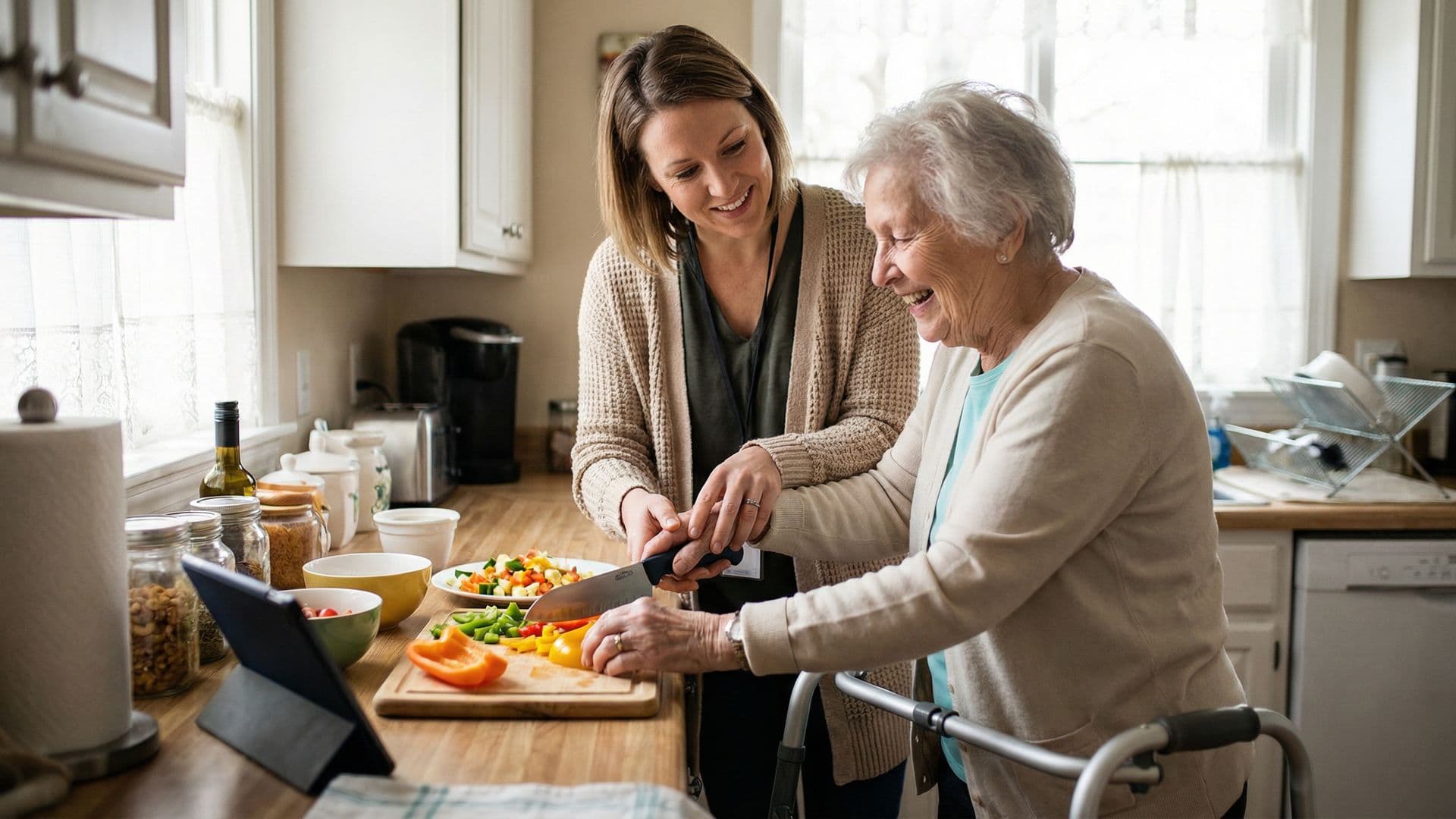
Occupational Therapy
Helping patients of all ages regain independence in everyday activities through therapeutic techniques and adaptive strategies.
Learn more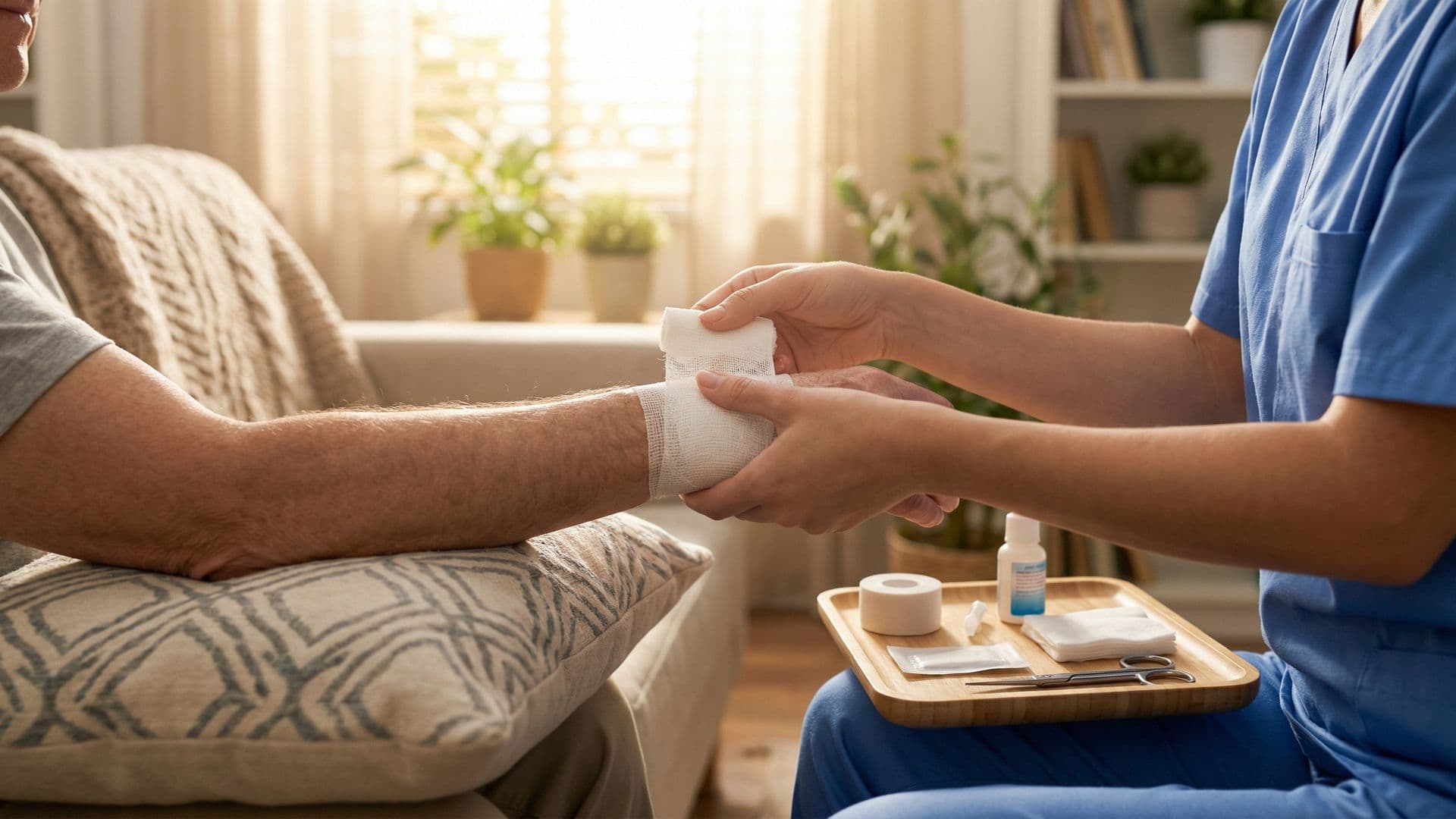
Wound Care
Specialized wound care management for chronic, surgical, and complex wounds using evidence-based treatment protocols.
Learn moreGet help with paraplegia at home
Our experienced clinicians provide expert neurological care in the comfort of your home. Contact us today to discuss your needs.
For life-threatening emergencies, always call 911.