If this is a life-threatening emergency, call 911 immediately.
Chest pain, severe difficulty breathing, stroke symptoms, major bleeding, or loss of consciousness require emergency medical services. This page describes non-emergency care delivered at home by skilled nurses.
Understanding Stroke (CVA) Recovery
What you should know
A cerebrovascular accident (CVA), commonly called a stroke, occurs when blood supply to part of the brain is interrupted or reduced, depriving brain tissue of oxygen and nutrients. Within minutes, brain cells begin to die. The effects of a stroke depend on which part of the brain is affected and how quickly treatment is received.
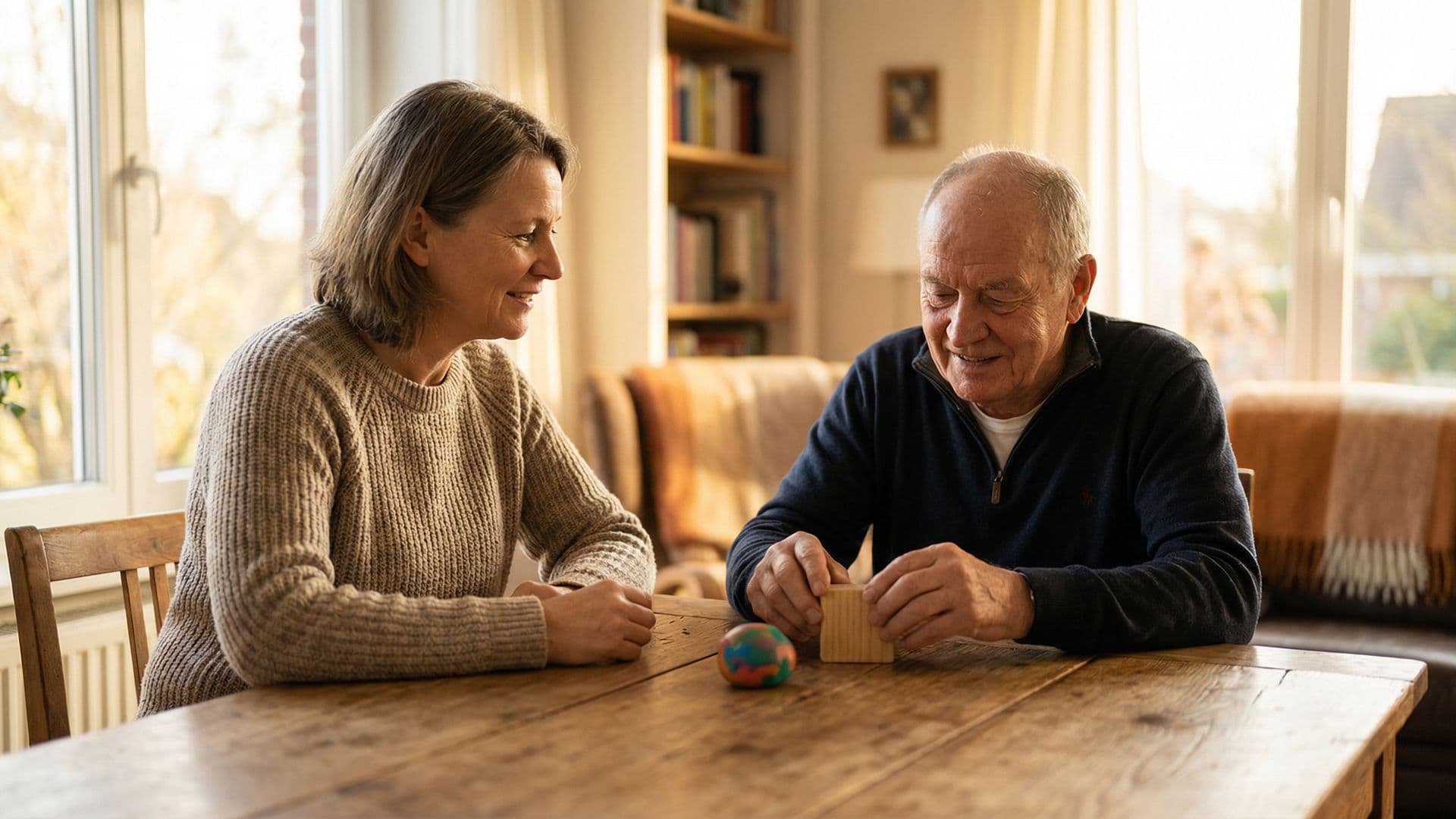
Stroke recovery is one of the most common and most impactful reasons patients receive home health care. After the acute hospital stay and any inpatient rehabilitation, patients come home with varying degrees of weakness, speech difficulty, cognitive changes, and emotional challenges. Home is where the long-term recovery happens.
Our stroke recovery program includes physical therapy to rebuild strength and mobility, speech therapy for language and swallowing rehabilitation, occupational therapy to relearn daily activities, skilled nursing for medication management and secondary stroke prevention, and emotional support for patients and families navigating a life-changing event.
Warning signs
You may need care if…
Your care plan
How we help at home
Expert care for stroke (cva) recovery,
delivered to your home
Our clinicians bring hospital-level expertise to the comfort and safety of where you live.
Common questions
Stroke (CVA) Recovery — Common Questions
Stroke recovery is highly individual. The most rapid improvement typically happens in the first 3–6 months, but meaningful gains can continue for years. Home health typically covers the first weeks to months after discharge, with many patients transitioning to outpatient therapy as they improve.
Many stroke survivors make significant improvements in speech and language with therapy. The degree of recovery depends on the location and severity of the brain injury, how quickly therapy begins, and the intensity of practice. Our speech therapists work on both spoken language and alternative communication strategies.
Related services
Services involved in your care
These are the clinical services our team may use when managing stroke (cva) recovery at home.
Neurological Care
Specialized care for patients with stroke, Parkinson's, MS, and other neurological conditions.
Learn more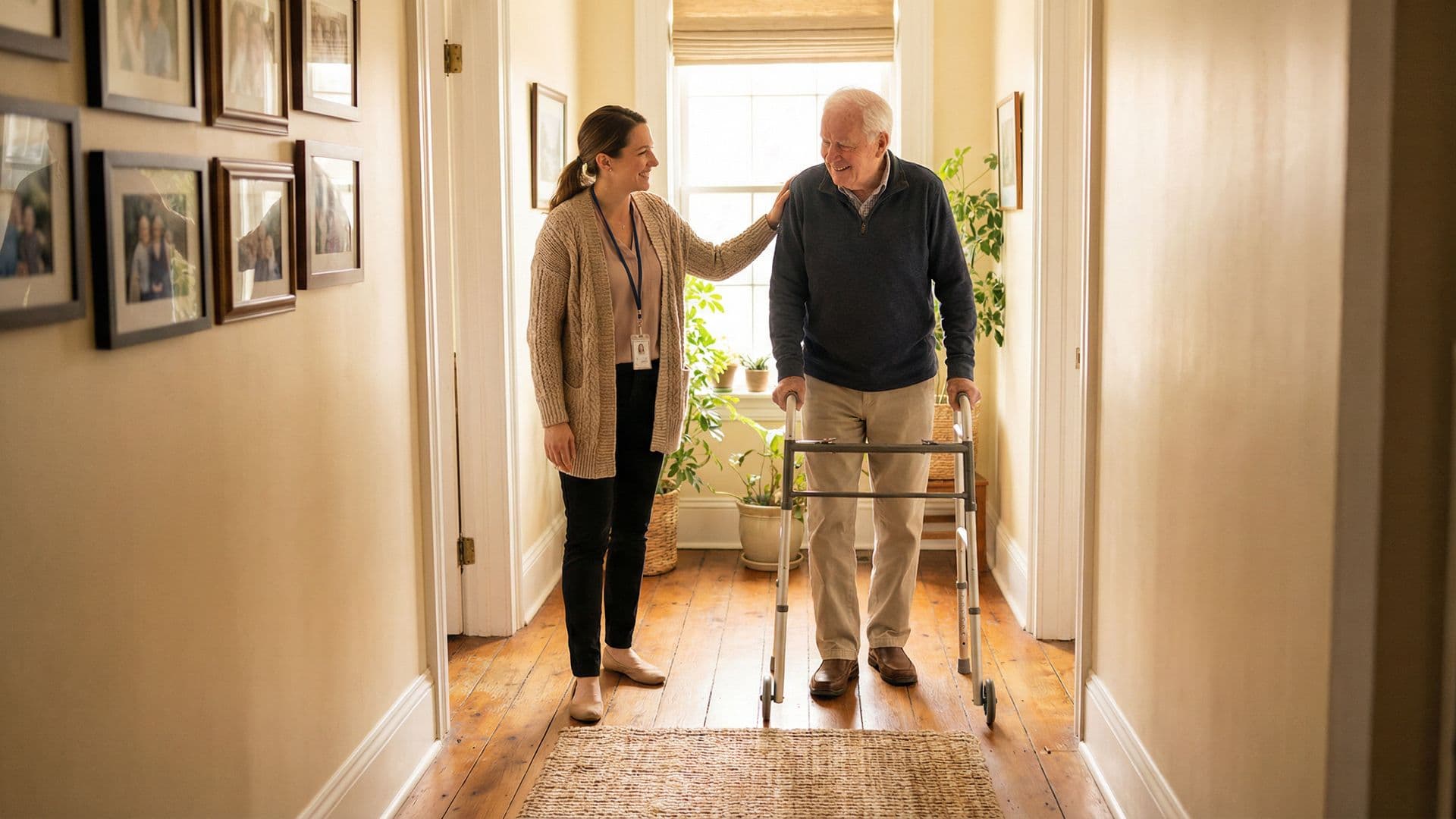
Physical Therapy
Our licensed physical therapists help restore activity, strength, and motion following illness, injury, or surgery with personalized treatment plans.
Learn more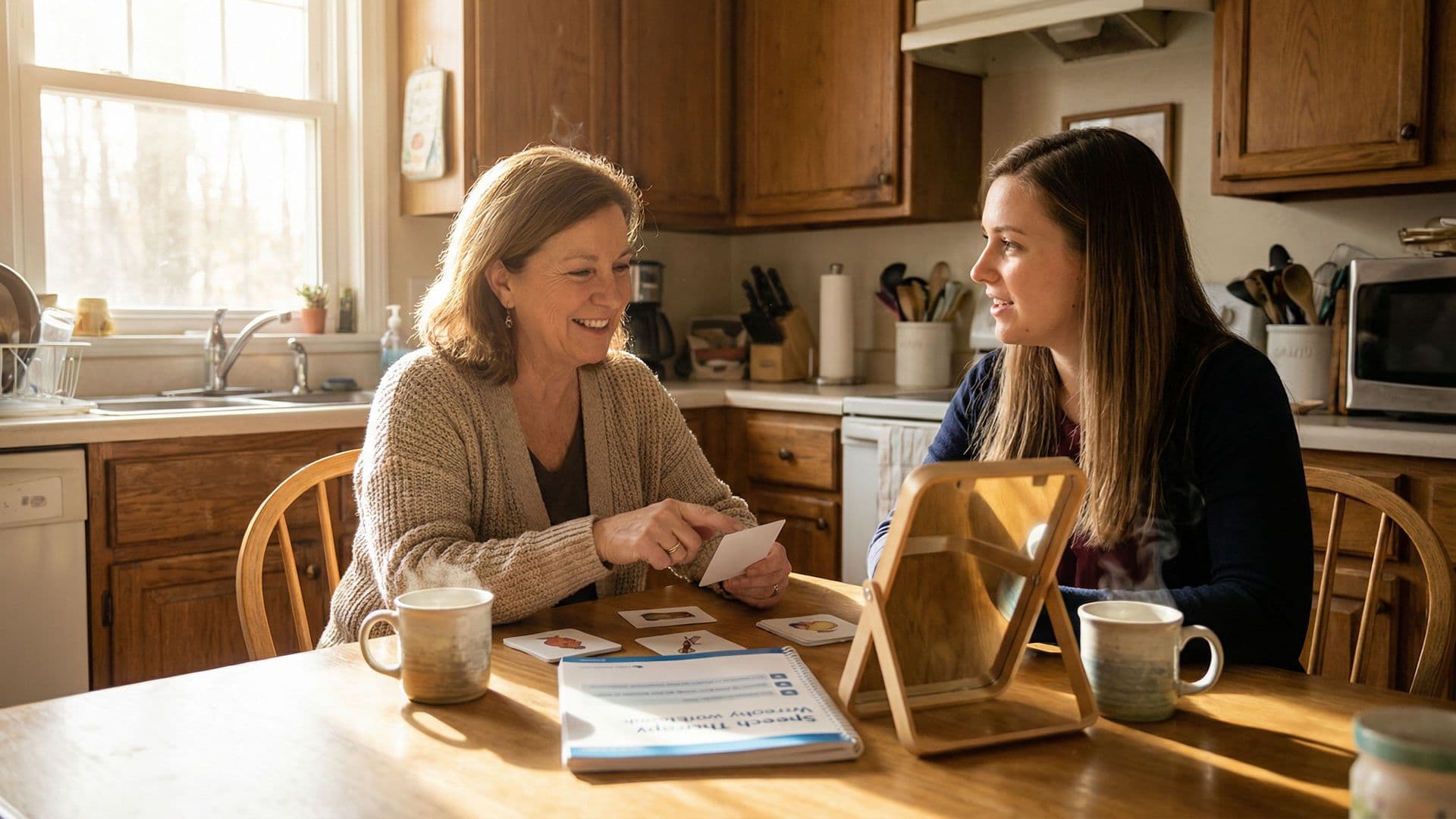
Speech Therapy
Expert speech-language pathologists treating communication and swallowing disorders to improve quality of life.
Learn more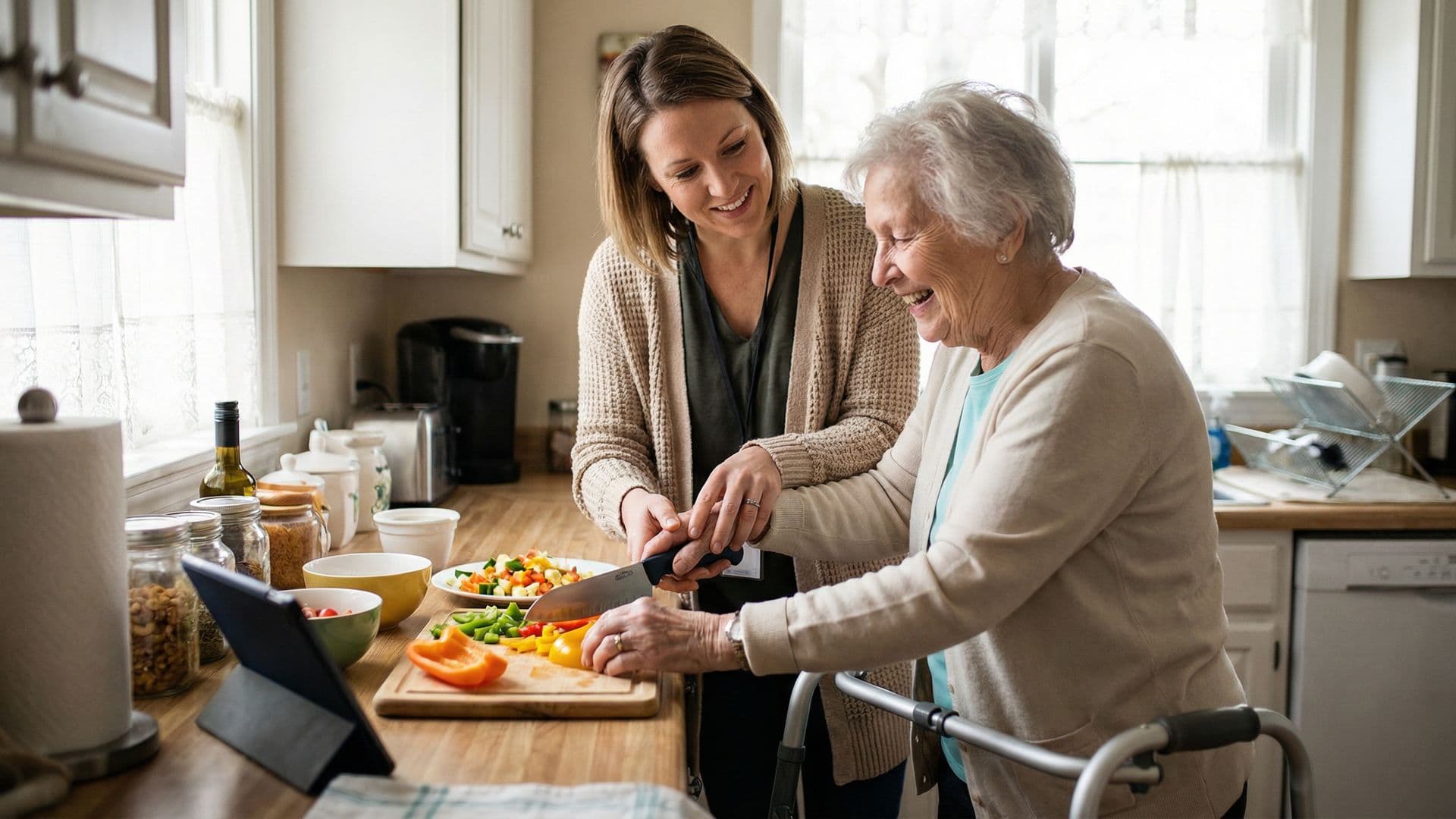
Occupational Therapy
Helping patients of all ages regain independence in everyday activities through therapeutic techniques and adaptive strategies.
Learn more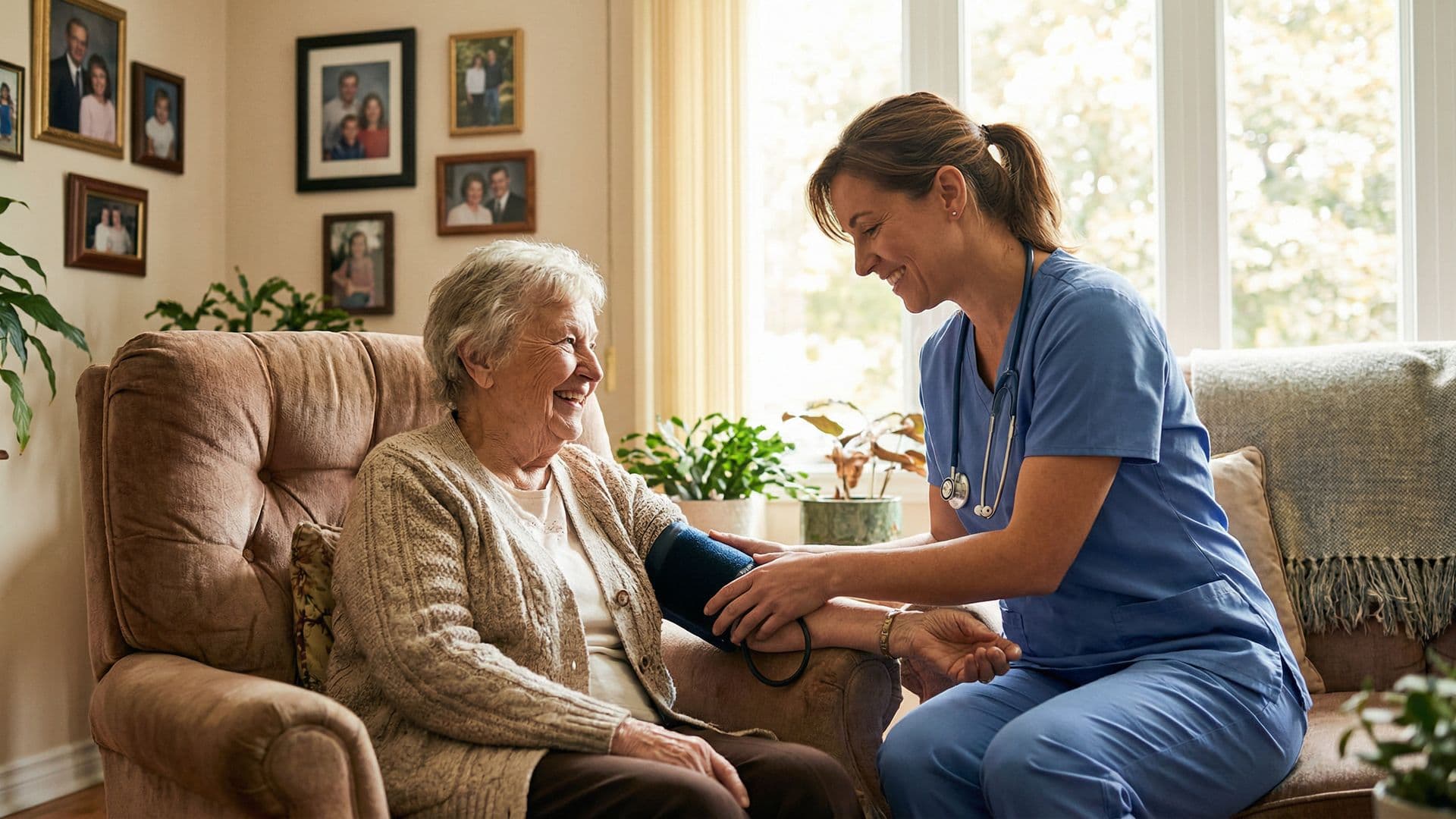
Skilled Nursing Care
Our registered nurses provide comprehensive medical care in the comfort of your home, ensuring safety, comfort, and optimal health outcomes.
Learn moreGet help with stroke (cva) recovery at home
Our experienced clinicians provide expert neurological care in the comfort of your home. Contact us today to discuss your needs.
For life-threatening emergencies, always call 911.