If this is a life-threatening emergency, call 911 immediately.
Chest pain, severe difficulty breathing, stroke symptoms, major bleeding, or loss of consciousness require emergency medical services. This page describes non-emergency care delivered at home by skilled nurses.

Understanding Parkinson's Disease
What you should know
Parkinson's disease is a progressive neurological disorder that affects movement. It develops when nerve cells in the brain that produce dopamine — a chemical messenger critical for smooth, coordinated muscle movement — are damaged or die. Symptoms start gradually, often with a barely noticeable tremor in one hand, and progress to include stiffness, slowing of movement, balance problems, and eventually significant disability.
Managing Parkinson's at home requires a multidisciplinary approach. Medication timing is critical — many Parkinson's medications must be taken at precise intervals to maintain effectiveness. Physical therapy focused on big, exaggerated movements (like the LSVT BIG program) has been shown to improve mobility. Speech therapy (LSVT LOUD) addresses the voice and swallowing changes that commonly develop. And occupational therapy helps patients maintain independence in daily activities.
Our team coordinates all of these services at home, where patients with Parkinson's are often most comfortable and where the real functional challenges occur.
Warning signs
You may need care if…
Your care plan
How we help at home
Expert care for parkinson's disease,
delivered to your home
Our clinicians bring hospital-level expertise to the comfort and safety of where you live.
Common questions
Parkinson's Disease — Common Questions
Evidence-based programs like LSVT BIG (physical therapy focused on amplitude of movement) and LSVT LOUD (speech therapy focused on voice volume) have the strongest research support. Our therapists are trained in these specialized approaches. General physical therapy also helps with balance, flexibility, and strength.
Parkinson's medications (levodopa especially) have a limited window of effectiveness. Taking them late, with the wrong foods, or at inconsistent times can cause wearing off (return of symptoms before the next dose) or dyskinesia (involuntary movements). Our nurses help establish reliable medication schedules and educate on food interactions.
Related services
Services involved in your care
These are the clinical services our team may use when managing parkinson's disease at home.
Neurological Care
Specialized care for patients with stroke, Parkinson's, MS, and other neurological conditions.
Learn more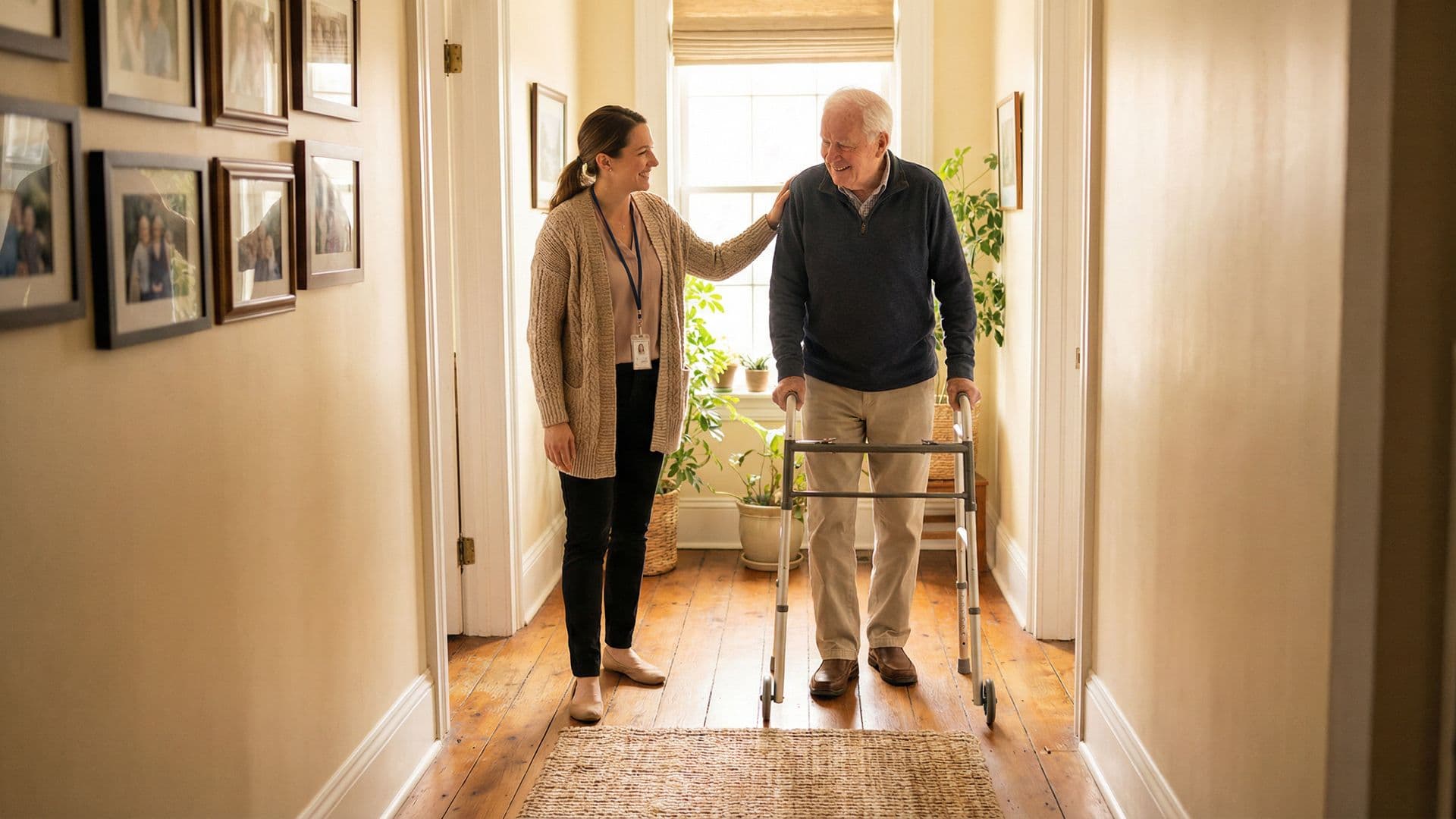
Physical Therapy
Our licensed physical therapists help restore activity, strength, and motion following illness, injury, or surgery with personalized treatment plans.
Learn more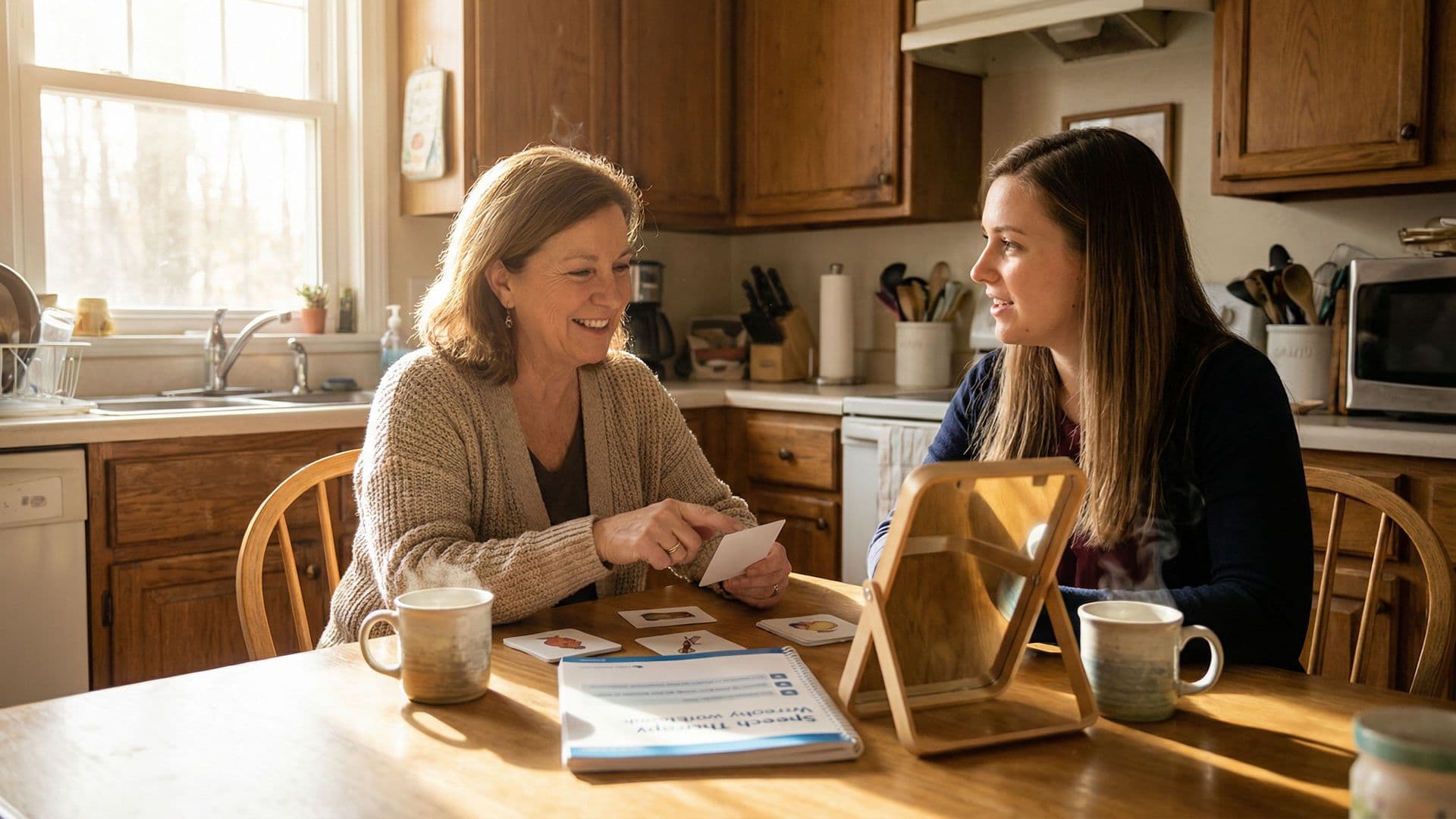
Speech Therapy
Expert speech-language pathologists treating communication and swallowing disorders to improve quality of life.
Learn more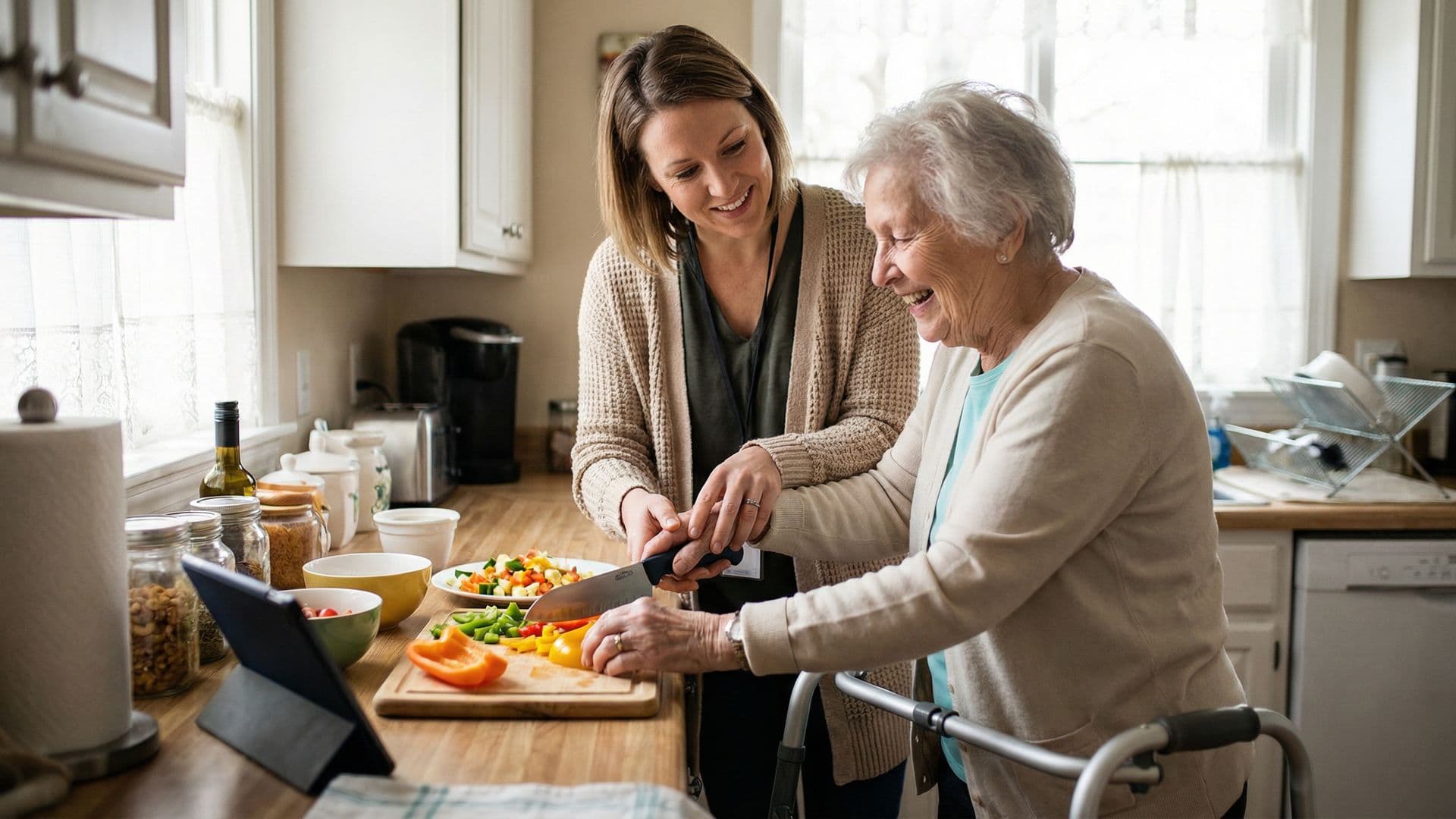
Occupational Therapy
Helping patients of all ages regain independence in everyday activities through therapeutic techniques and adaptive strategies.
Learn more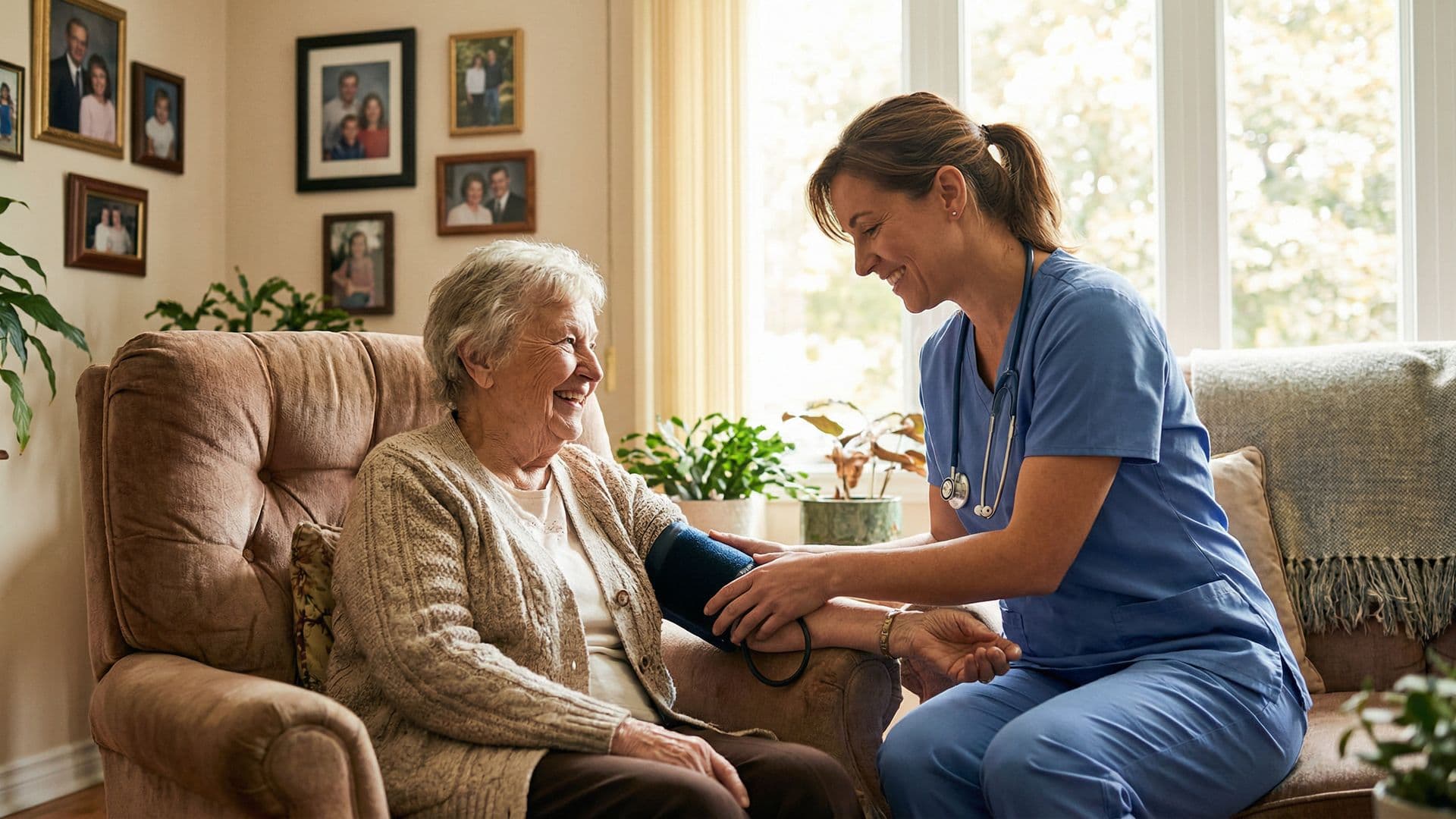
Skilled Nursing Care
Our registered nurses provide comprehensive medical care in the comfort of your home, ensuring safety, comfort, and optimal health outcomes.
Learn moreGet help with parkinson's disease at home
Our experienced clinicians provide expert neurological care in the comfort of your home. Contact us today to discuss your needs.
For life-threatening emergencies, always call 911.