If this is a life-threatening emergency, call 911 immediately.
Chest pain, severe difficulty breathing, stroke symptoms, major bleeding, or loss of consciousness require emergency medical services. This page describes non-emergency care delivered at home by skilled nurses.
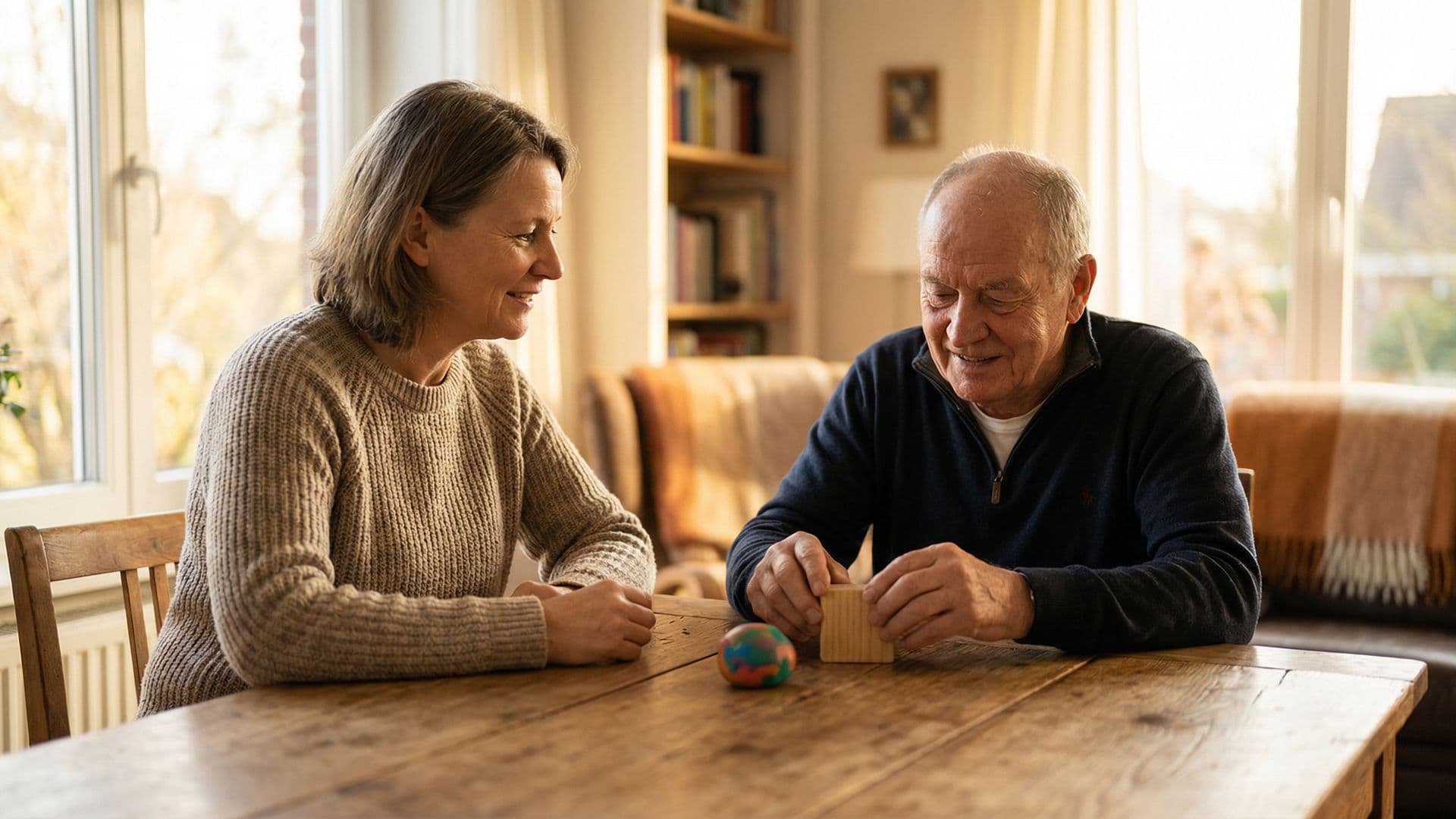
Understanding Glaucoma
What you should know
Glaucoma is a group of eye conditions that damage the optic nerve, usually due to abnormally high pressure in the eye. It's one of the leading causes of blindness for people over 60, and the damage is irreversible — once vision is lost, it cannot be restored. However, with early detection and consistent treatment, vision loss can be slowed or prevented.
Home health for glaucoma patients focuses on two areas: medication adherence and safety. Glaucoma eye drops must be administered correctly and consistently — many patients struggle with the technique, especially those with arthritis or tremor. Missing doses accelerates vision loss. Our nurses teach proper drop administration, establish medication schedules, and monitor adherence.
For patients with significant vision loss, our occupational therapists address home safety (lighting, contrast markers, organization systems) and teach adaptive techniques for daily activities. Physical therapists work on balance and mobility because reduced vision dramatically increases fall risk.
Warning signs
You may need care if…
Your care plan
How we help at home
Expert care for glaucoma,
delivered to your home
Our clinicians bring hospital-level expertise to the comfort and safety of where you live.
Common questions
Glaucoma — Common Questions
Yes. Many patients struggle with eye drop technique, and incorrect administration means the medication isn't working. Our nurses teach proper technique, including positioning, aiming, and timing between multiple drops. We can also recommend devices that make self-administration easier.
Glaucoma often affects peripheral vision first, creating blind spots that hide tripping hazards. Depth perception may also be affected. Our physical therapists train patients on compensatory strategies (scanning patterns, proper lighting use) and improve balance to reduce fall risk.
Related services
Services involved in your care
These are the clinical services our team may use when managing glaucoma at home.
Neurological Care
Specialized care for patients with stroke, Parkinson's, MS, and other neurological conditions.
Learn more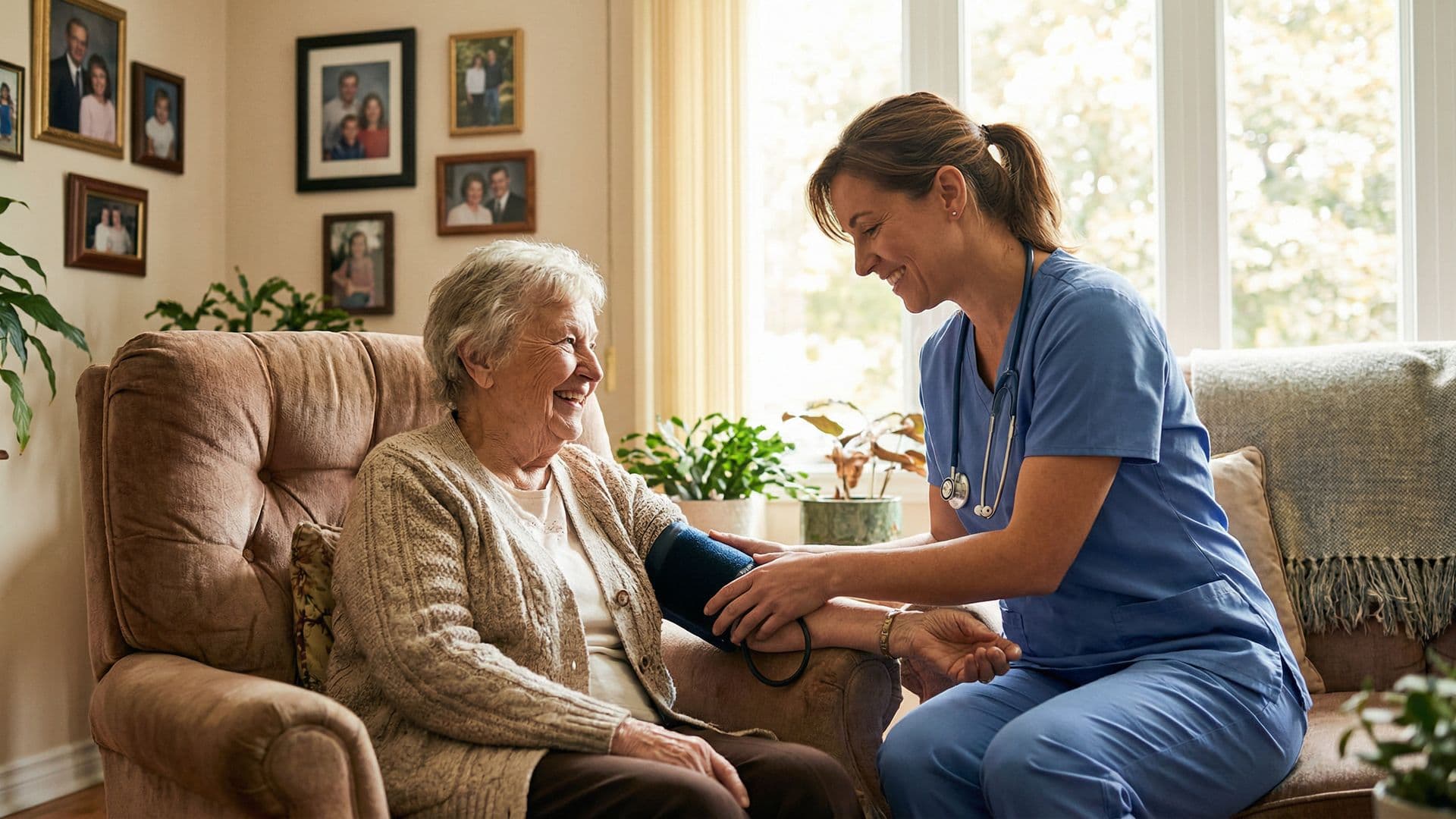
Skilled Nursing Care
Our registered nurses provide comprehensive medical care in the comfort of your home, ensuring safety, comfort, and optimal health outcomes.
Learn more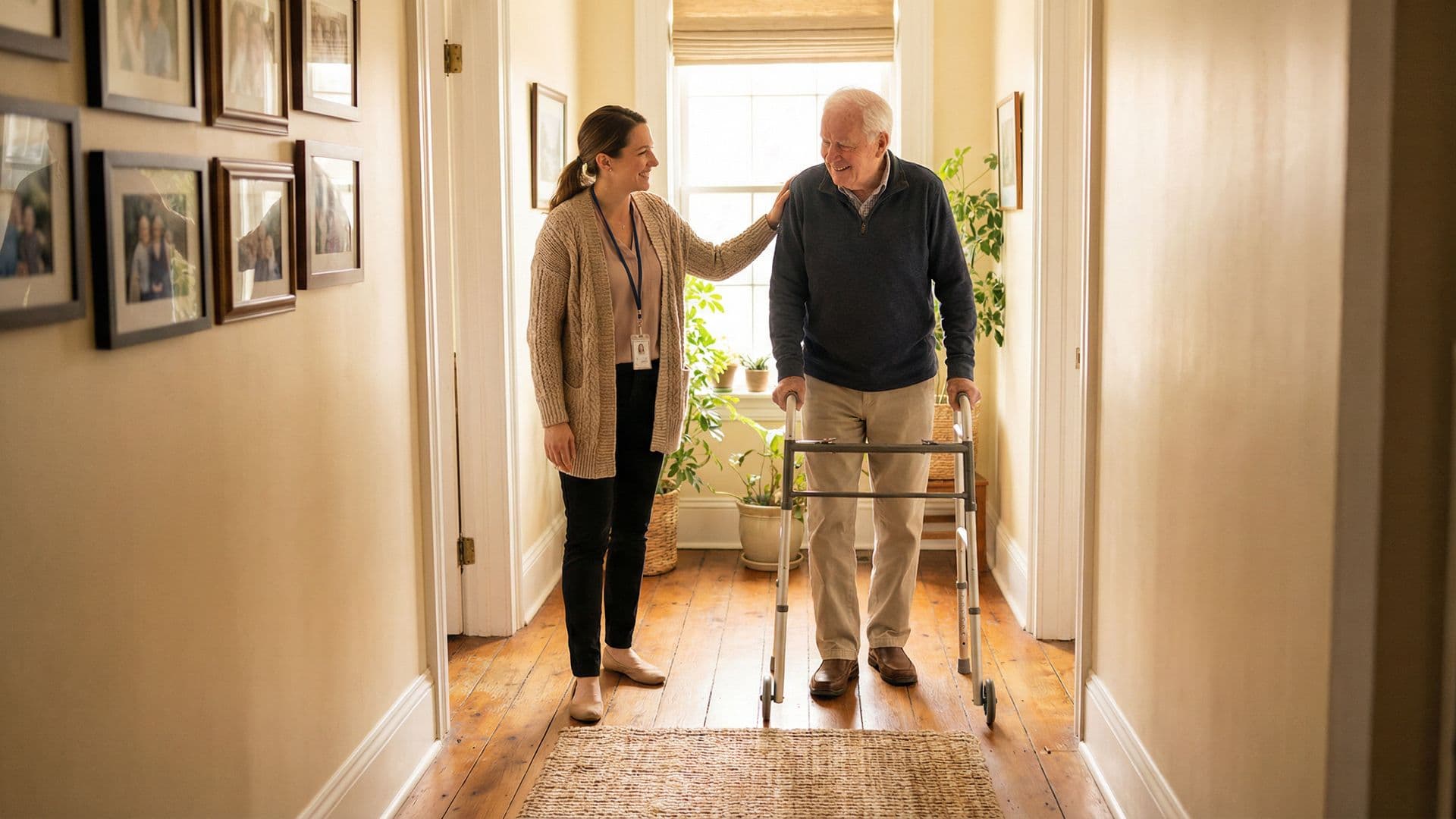
Physical Therapy
Our licensed physical therapists help restore activity, strength, and motion following illness, injury, or surgery with personalized treatment plans.
Learn more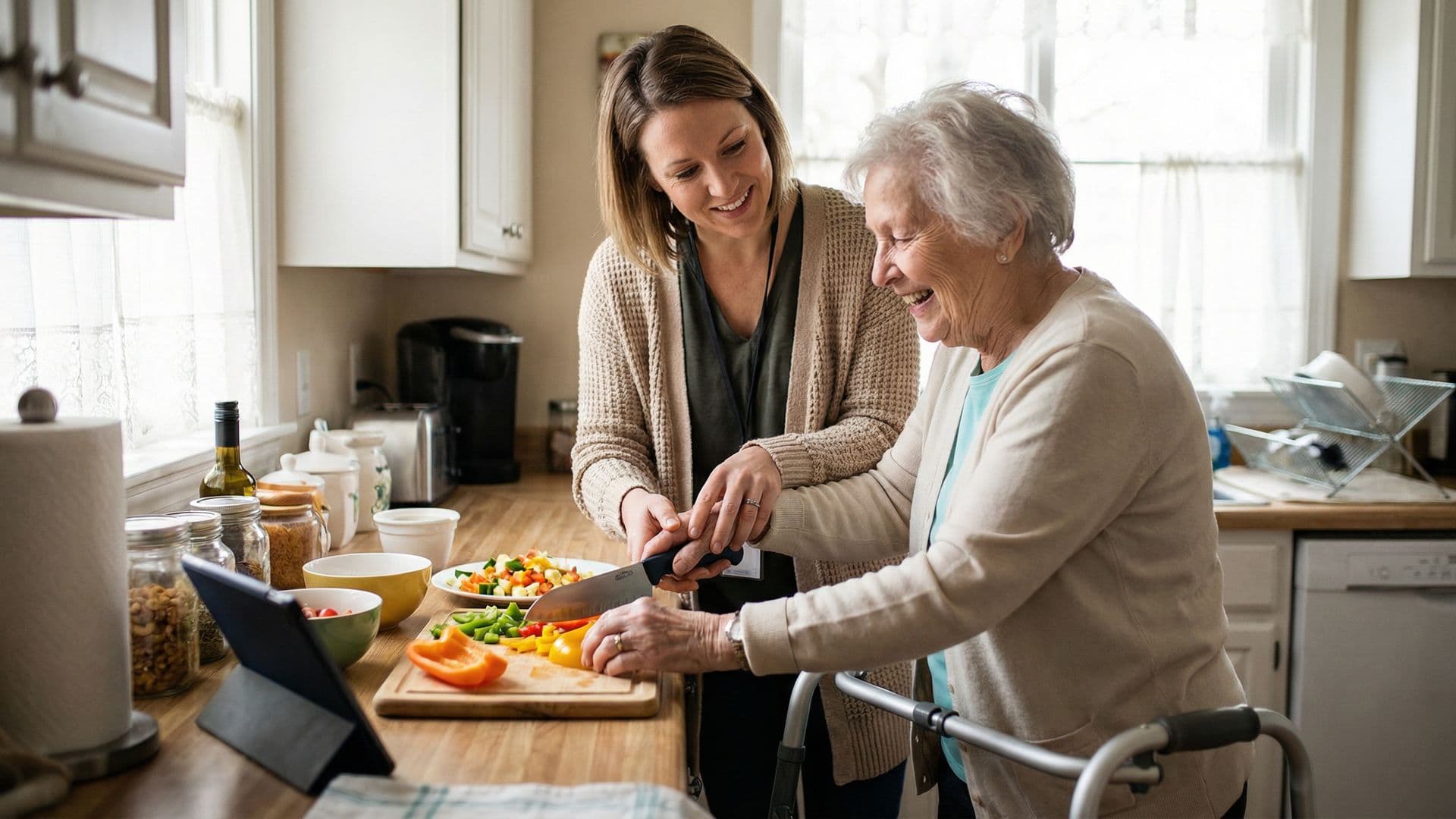
Occupational Therapy
Helping patients of all ages regain independence in everyday activities through therapeutic techniques and adaptive strategies.
Learn moreGet help with glaucoma at home
Our experienced clinicians provide expert neurological care in the comfort of your home. Contact us today to discuss your needs.
For life-threatening emergencies, always call 911.