If this is a life-threatening emergency, call 911 immediately.
Chest pain, severe difficulty breathing, stroke symptoms, major bleeding, or loss of consciousness require emergency medical services. This page describes non-emergency care delivered at home by skilled nurses.

Understanding Paralysis
What you should know
Paralysis is the loss of muscle function in part of the body, caused by damage to the nervous system — from spinal cord injury, stroke, brain injury, or neurological diseases like MS or ALS. Paralysis can be partial (paresis) or complete, temporary or permanent, and can affect one limb, one side of the body, or the entire body below a certain level.
Living with paralysis at home requires comprehensive support. Patients are at risk for pressure ulcers, blood clots, respiratory complications, urinary tract infections, and depression. The medical management is complex, and the daily care needs — transfers, positioning, hygiene, bowel/bladder programs — are demanding for both patients and caregivers.
Our multidisciplinary team addresses every aspect: skilled nursing for medical management, physical therapy for maximizing mobility and preventing complications, occupational therapy for independence in daily activities, and speech therapy when paralysis affects swallowing or communication. We're here for the long haul, not just the initial recovery.
Warning signs
You may need care if…
Your care plan
How we help at home
Expert care for paralysis,
delivered to your home
Our clinicians bring hospital-level expertise to the comfort and safety of where you live.
Common questions
Paralysis — Common Questions
Stroke is the most common cause of partial paralysis (hemiplegia). Other causes include traumatic brain injury, multiple sclerosis, ALS, Guillain-Barré syndrome, cerebral palsy, tumors, and infections. The home health approach is similar regardless of cause — maximize function, prevent complications, and support independence.
It depends on the cause. Stroke-related paralysis often shows significant improvement with therapy, especially in the first 3–6 months. Some spinal cord injuries are incomplete and may recover function. Paralysis from progressive diseases (ALS, advanced MS) may not improve, but therapy can slow decline and maintain quality of life.
Related services
Services involved in your care
These are the clinical services our team may use when managing paralysis at home.
Neurological Care
Specialized care for patients with stroke, Parkinson's, MS, and other neurological conditions.
Learn more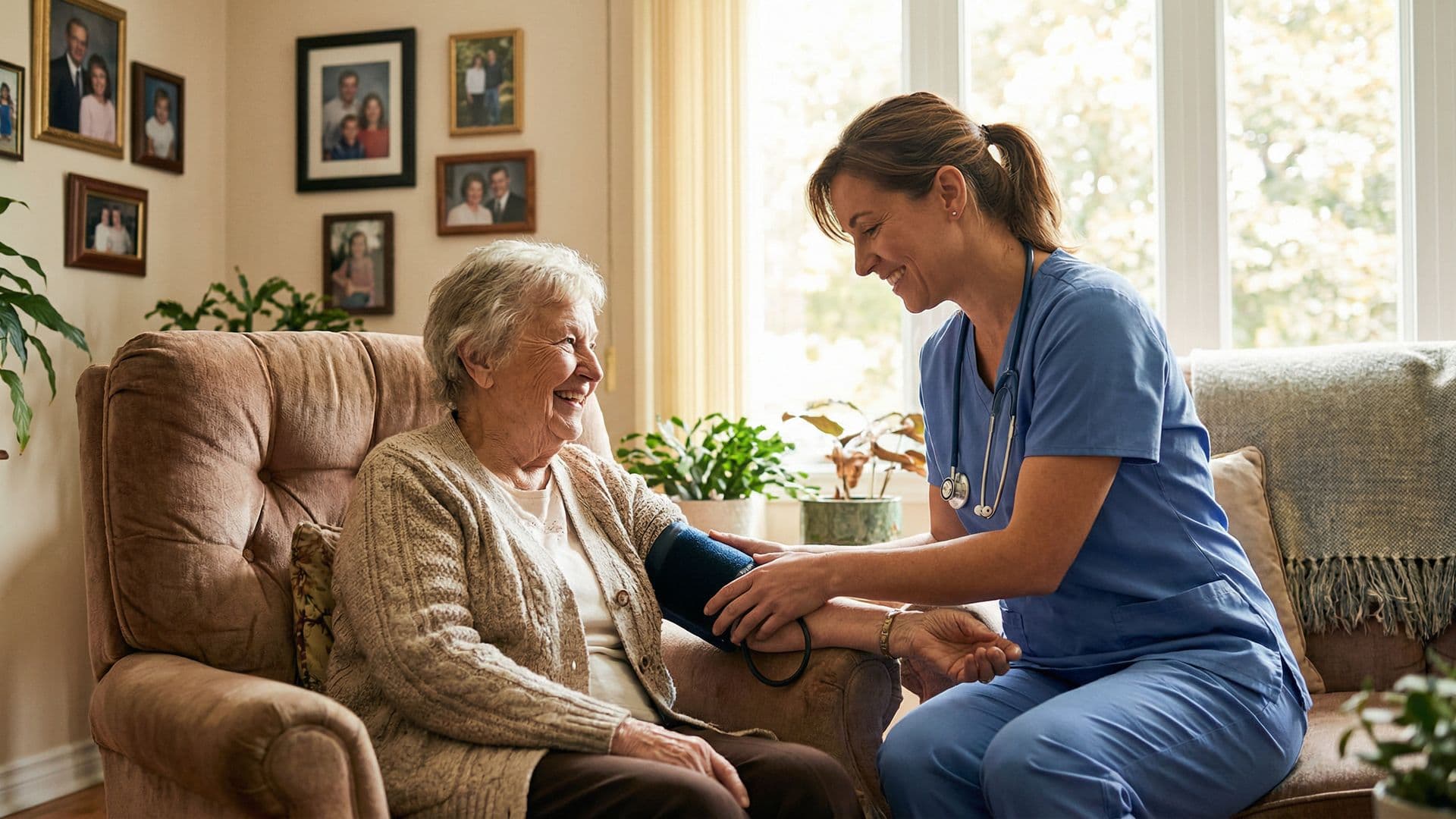
Skilled Nursing Care
Our registered nurses provide comprehensive medical care in the comfort of your home, ensuring safety, comfort, and optimal health outcomes.
Learn more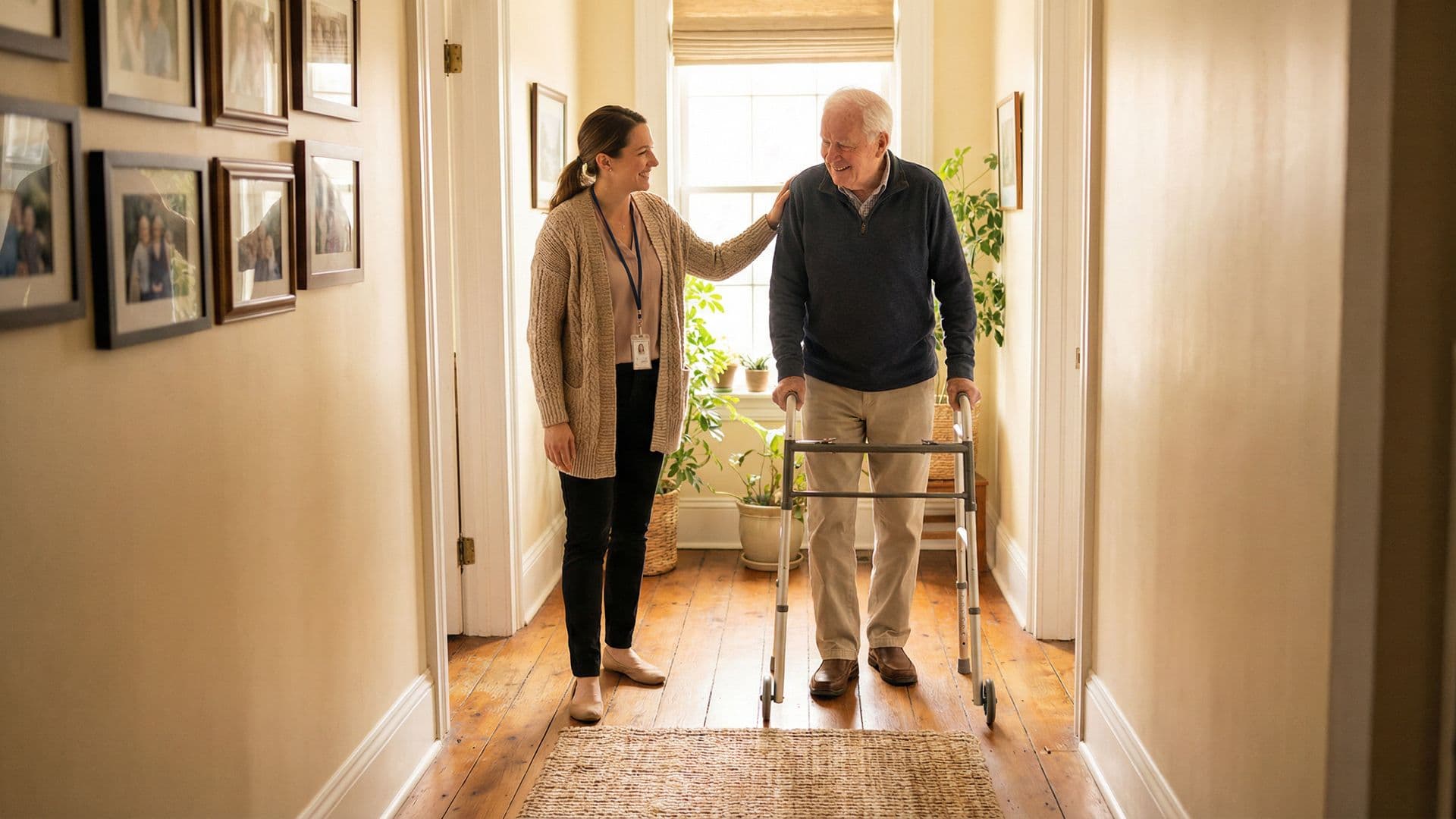
Physical Therapy
Our licensed physical therapists help restore activity, strength, and motion following illness, injury, or surgery with personalized treatment plans.
Learn more
Occupational Therapy
Helping patients of all ages regain independence in everyday activities through therapeutic techniques and adaptive strategies.
Learn moreGet help with paralysis at home
Our experienced clinicians provide expert neurological care in the comfort of your home. Contact us today to discuss your needs.
For life-threatening emergencies, always call 911.