If this is a life-threatening emergency, call 911 immediately.
Chest pain, severe difficulty breathing, stroke symptoms, major bleeding, or loss of consciousness require emergency medical services. This page describes non-emergency care delivered at home by skilled nurses.
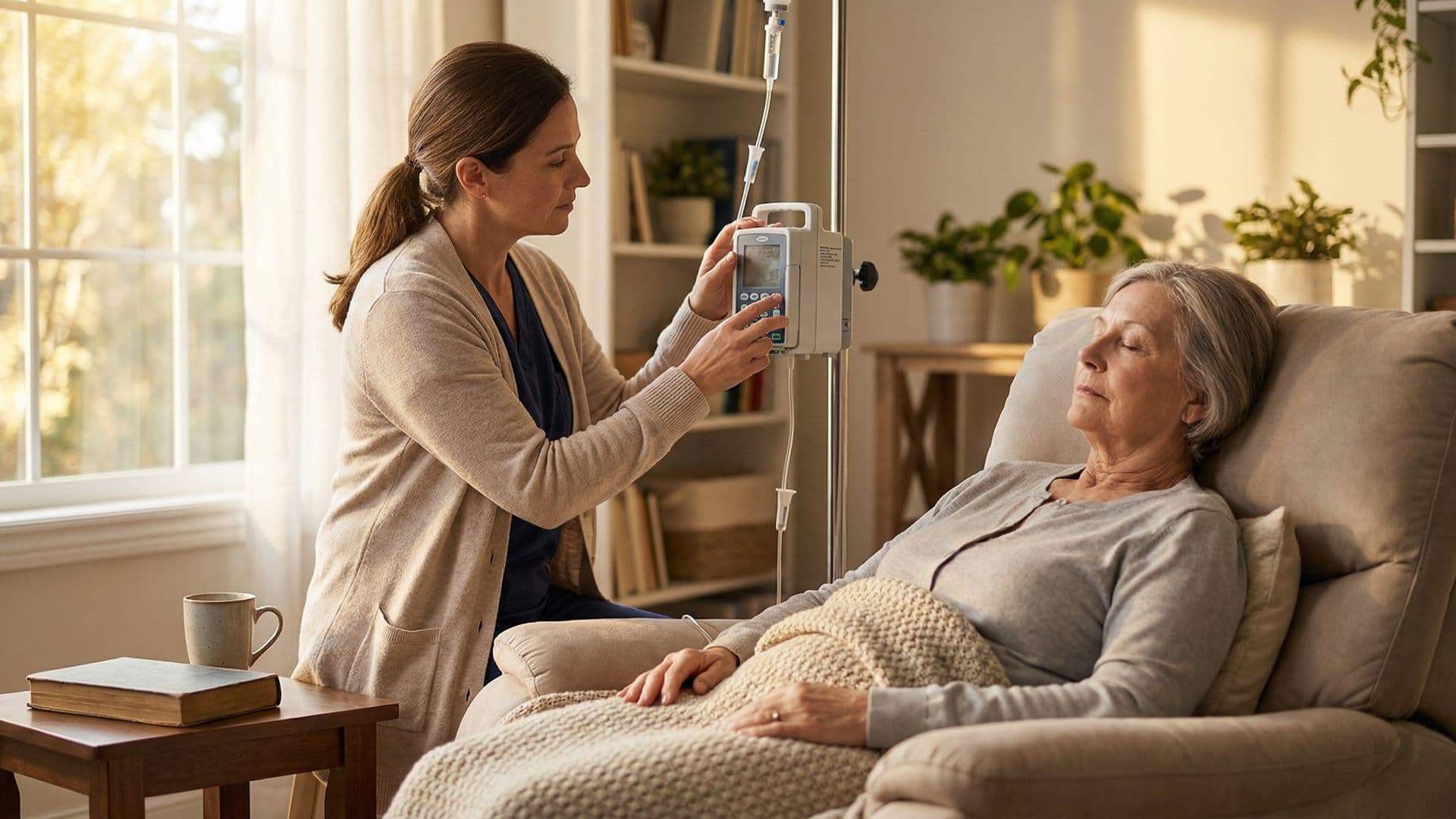
Understanding Breast Cancer
What you should know
Breast cancer treatment often involves surgery (lumpectomy, mastectomy), chemotherapy, radiation, hormone therapy, and targeted therapy — frequently in combination. Each treatment brings its own recovery needs, and many patients face months of active treatment followed by years of ongoing management.
Home health after breast cancer surgery addresses surgical wound care, drain management (Jackson-Pratt drains are common after mastectomy), range-of-motion exercises for the affected arm, and monitoring for lymphedema — a chronic swelling condition that can develop after lymph node removal.
Our nurses manage surgical sites and drains, our physical therapists guide gentle arm rehabilitation and lymphedema prevention exercises, and our occupational therapists help with daily activities during recovery. For patients undergoing chemotherapy, we provide port care, side effect management, and the supportive services that keep treatment on track.
Warning signs
You may need care if…
Your care plan
How we help at home
Expert care for breast cancer,
delivered to your home
Our clinicians bring hospital-level expertise to the comfort and safety of where you live.
Common questions
Breast Cancer — Common Questions
Typically 2–4 weeks for wound care and drain management after mastectomy. Physical therapy for arm mobility may continue longer — especially if lymph nodes were removed. Your surgeon's orders and your individual recovery guide the duration.
Lymphedema is chronic swelling (usually in the arm) that can develop after lymph node removal. It's caused by disrupted lymphatic drainage. Prevention includes gentle exercises, avoiding blood pressure cuffs and blood draws on the affected arm, skin care, and monitoring for early swelling. Our therapists teach these strategies starting immediately after surgery.
Related services
Services involved in your care
These are the clinical services our team may use when managing breast cancer at home.
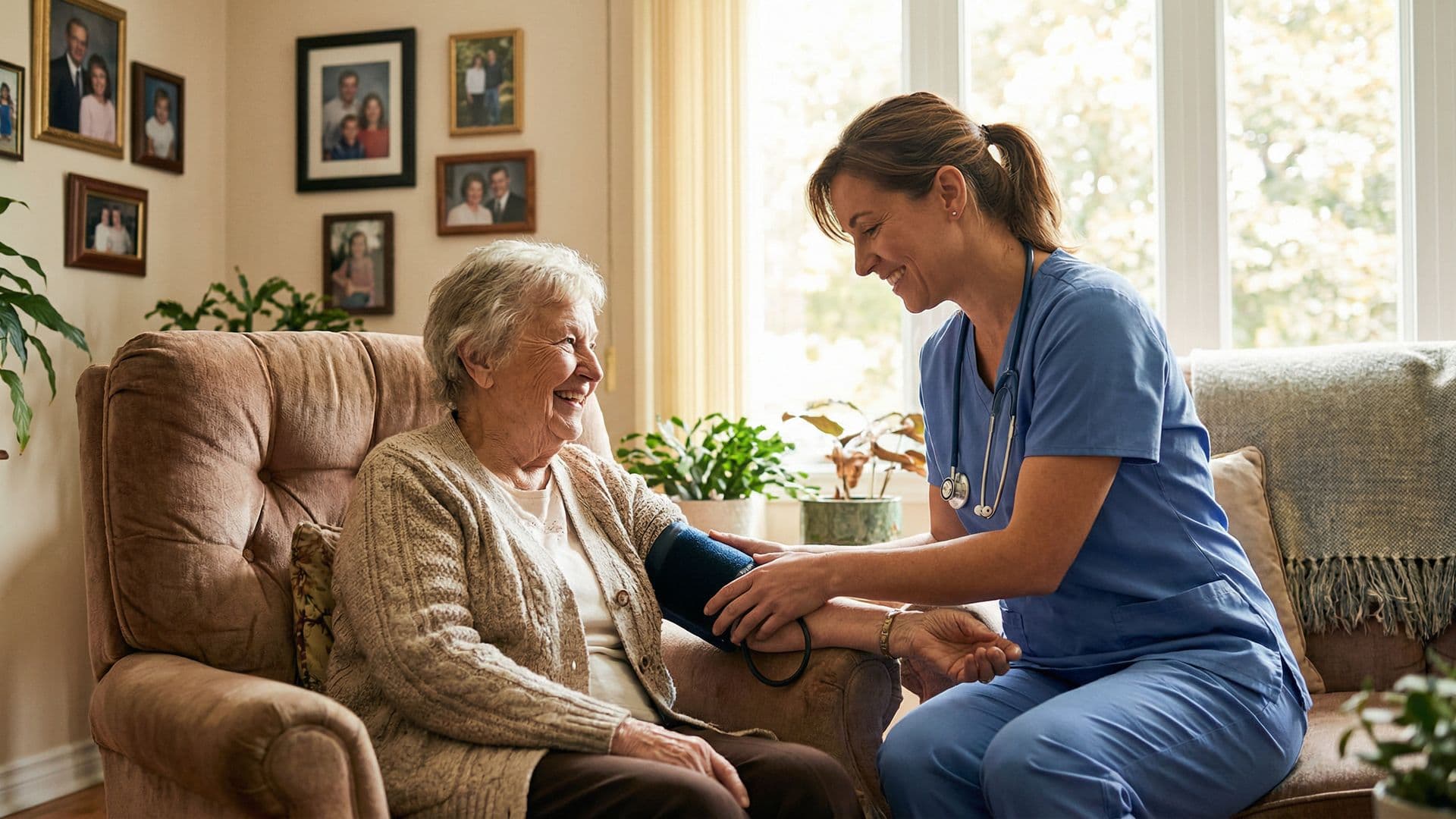
Skilled Nursing Care
Our registered nurses provide comprehensive medical care in the comfort of your home, ensuring safety, comfort, and optimal health outcomes.
Learn more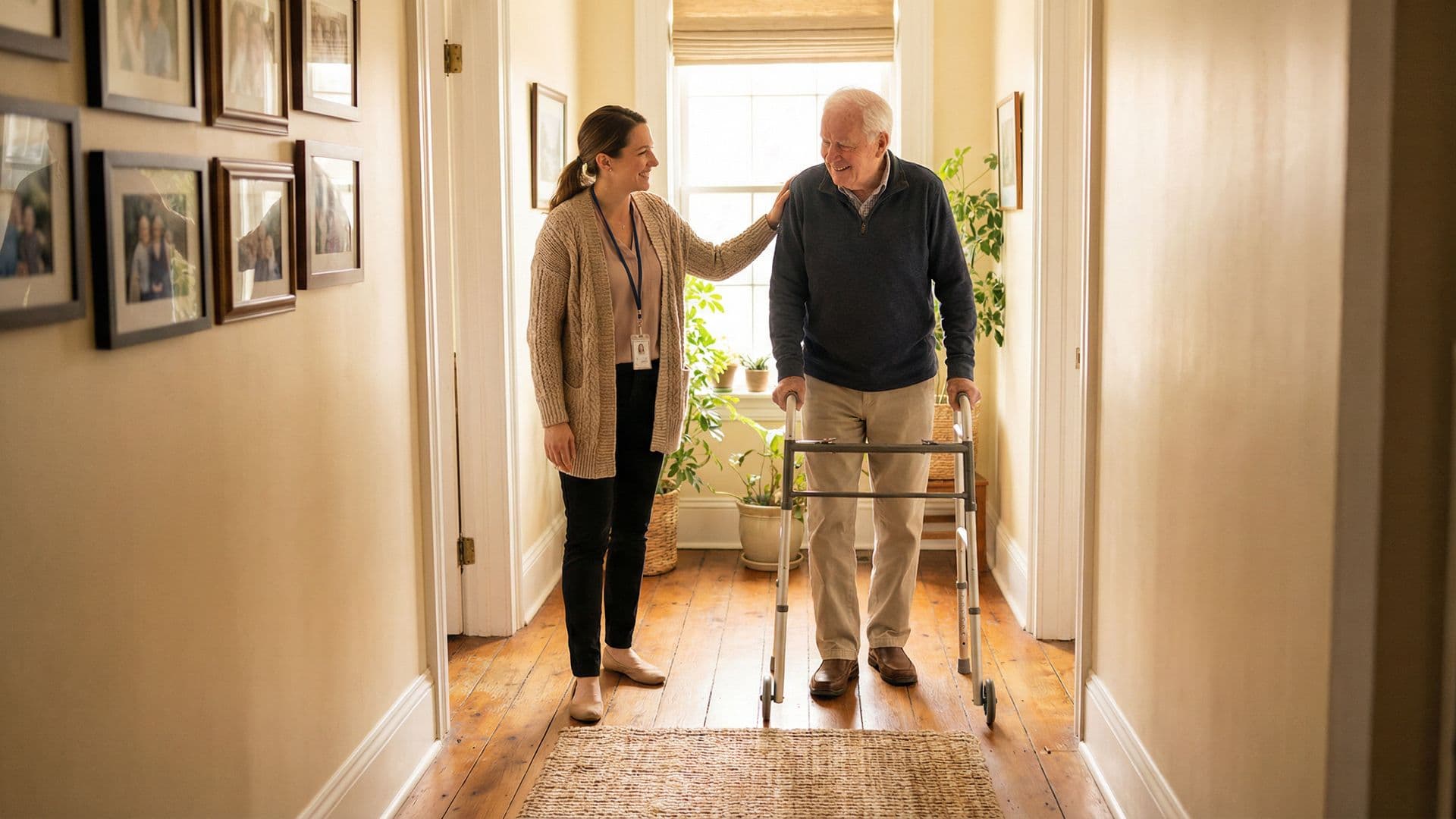
Physical Therapy
Our licensed physical therapists help restore activity, strength, and motion following illness, injury, or surgery with personalized treatment plans.
Learn more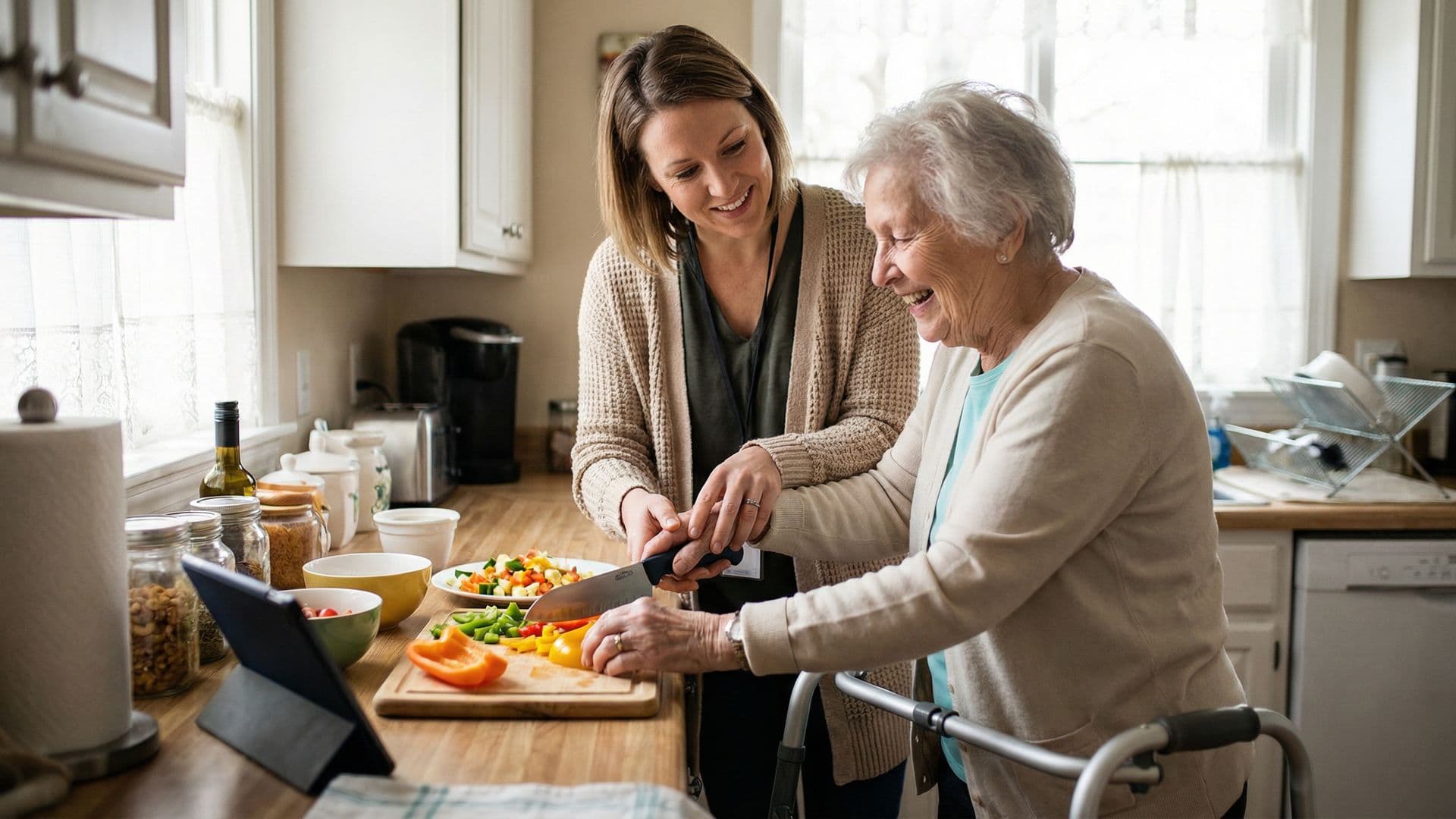
Occupational Therapy
Helping patients of all ages regain independence in everyday activities through therapeutic techniques and adaptive strategies.
Learn moreInfusion Services
Home-based intravenous therapy administered by specially trained nurses for various medical conditions.
Learn moreGet help with breast cancer at home
Our experienced clinicians provide expert oncology care in the comfort of your home. Contact us today to discuss your needs.
For life-threatening emergencies, always call 911.