If this is a life-threatening emergency, call 911 immediately.
Chest pain, severe difficulty breathing, stroke symptoms, major bleeding, or loss of consciousness require emergency medical services. This page describes non-emergency care delivered at home by skilled nurses.
Understanding Colon Cancer
What you should know
Colon cancer (colorectal cancer) treatment often involves surgery to remove the affected portion of the colon, sometimes followed by chemotherapy. Depending on the surgery's extent and location, patients may need a temporary or permanent colostomy. Recovery involves surgical wound care, potential ostomy management, chemotherapy support, and nutritional rehabilitation.
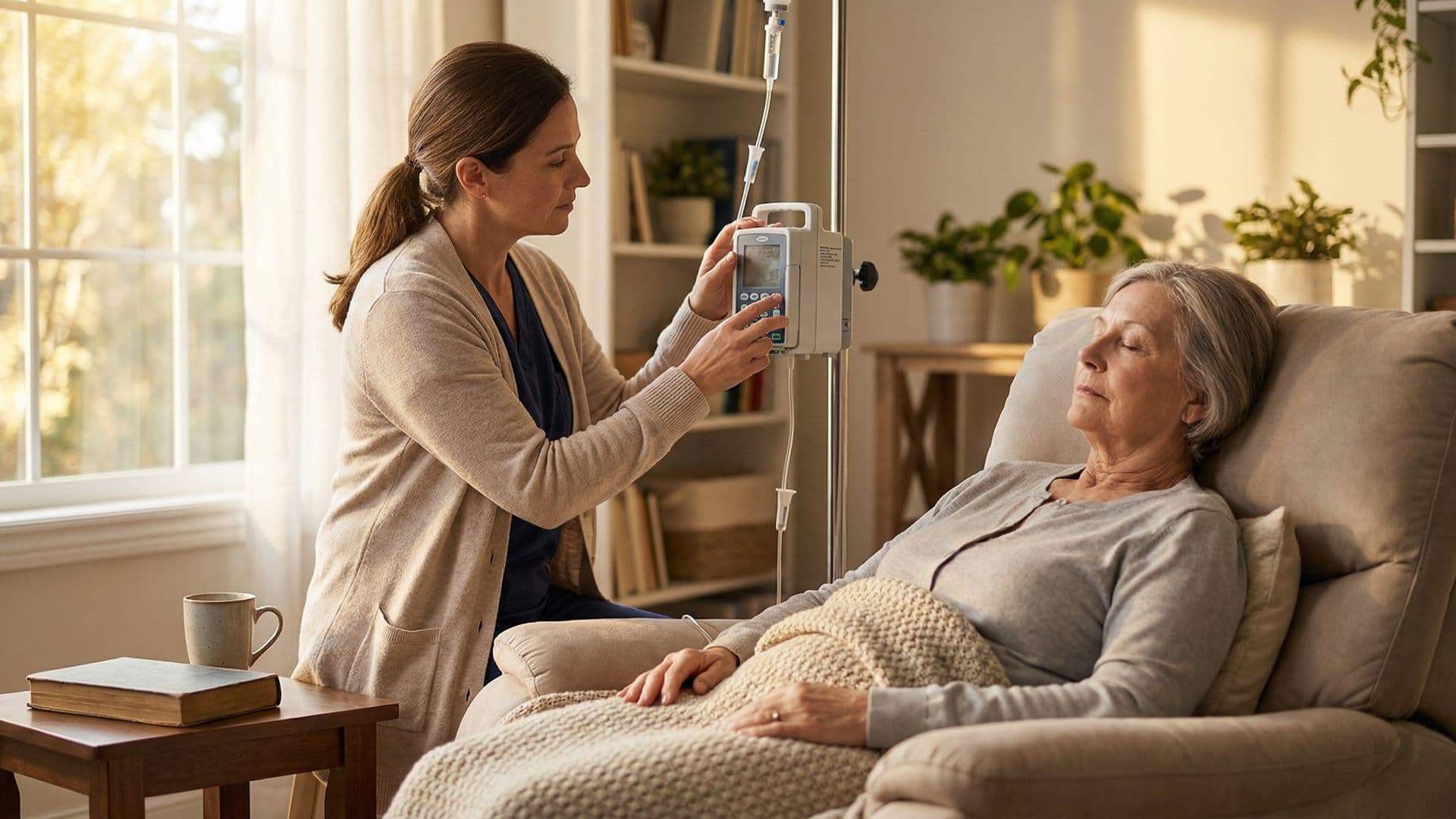
Our wound/ostomy nurses specialize in helping patients navigate post-surgical recovery and ostomy management — from the initial shock of living with a stoma to confident self-care. For patients receiving chemotherapy, we manage ports, monitor for side effects, and keep patients strong enough to complete their treatment regimen.
Nutrition is particularly important after colon surgery, as the remaining bowel needs to adapt. Our nurses monitor weight, hydration, and nutritional intake, coordinating with dietitians and oncologists to support healing and treatment tolerance.
Warning signs
You may need care if…
Your care plan
How we help at home
Expert care for colon cancer,
delivered to your home
Our clinicians bring hospital-level expertise to the comfort and safety of where you live.
Common questions
Colon Cancer — Common Questions
Not necessarily. Many colon cancer patients receive a temporary ostomy that is reversed after healing (typically 3–12 months). Some patients, depending on the tumor location and extent of surgery, may have a permanent ostomy. Either way, our ostomy nurses help you manage confidently and maintain quality of life.
Diet progression after colon surgery is gradual — from clear liquids to soft foods to regular diet over days to weeks. Some foods may need to be reintroduced carefully. Long-term, most patients return to a normal diet, though individual tolerance varies. Our nurses guide you through each stage.
Related services
Services involved in your care
These are the clinical services our team may use when managing colon cancer at home.
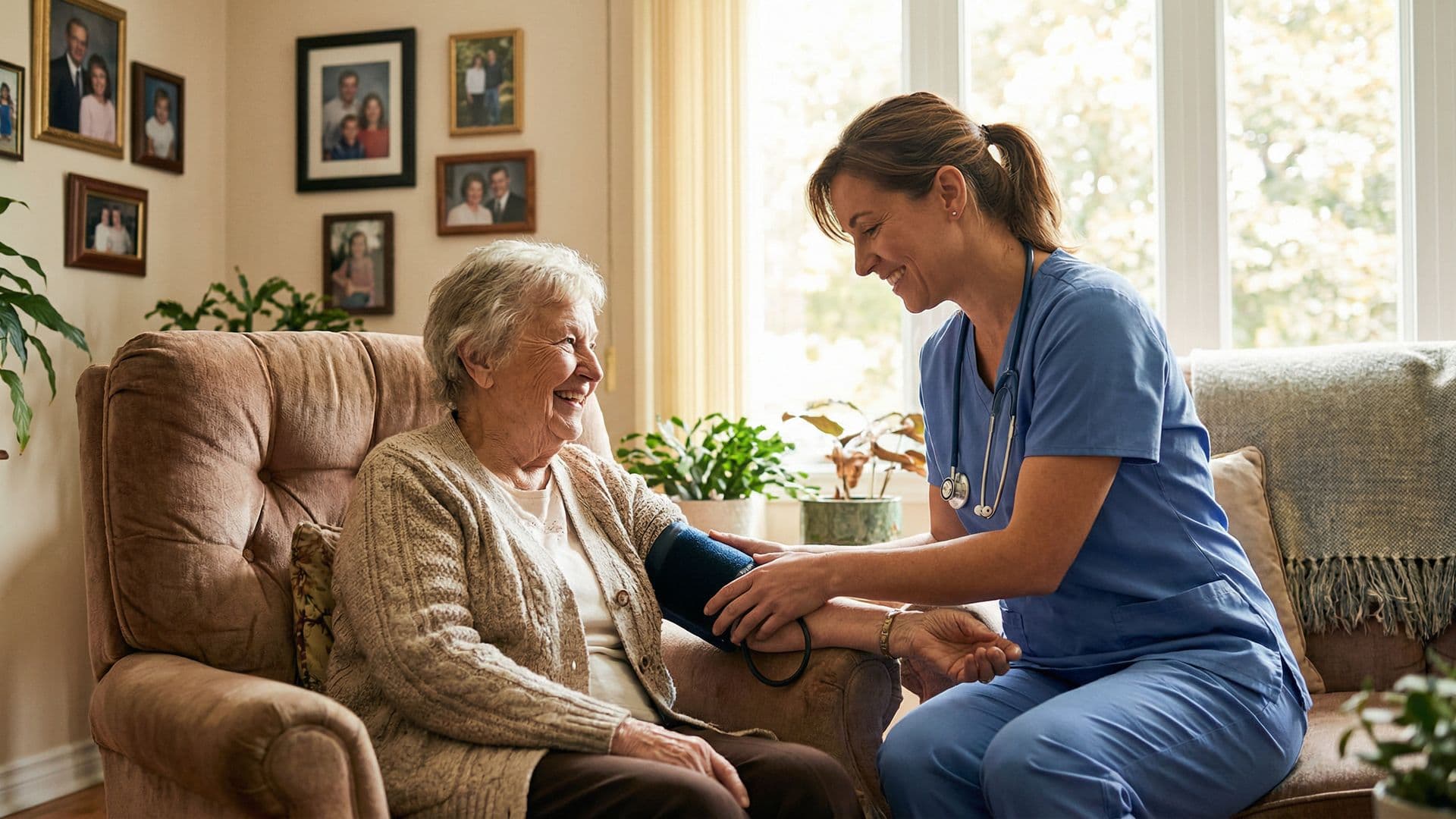
Skilled Nursing Care
Our registered nurses provide comprehensive medical care in the comfort of your home, ensuring safety, comfort, and optimal health outcomes.
Learn more
Wound Care
Specialized wound care management for chronic, surgical, and complex wounds using evidence-based treatment protocols.
Learn moreInfusion Services
Home-based intravenous therapy administered by specially trained nurses for various medical conditions.
Learn more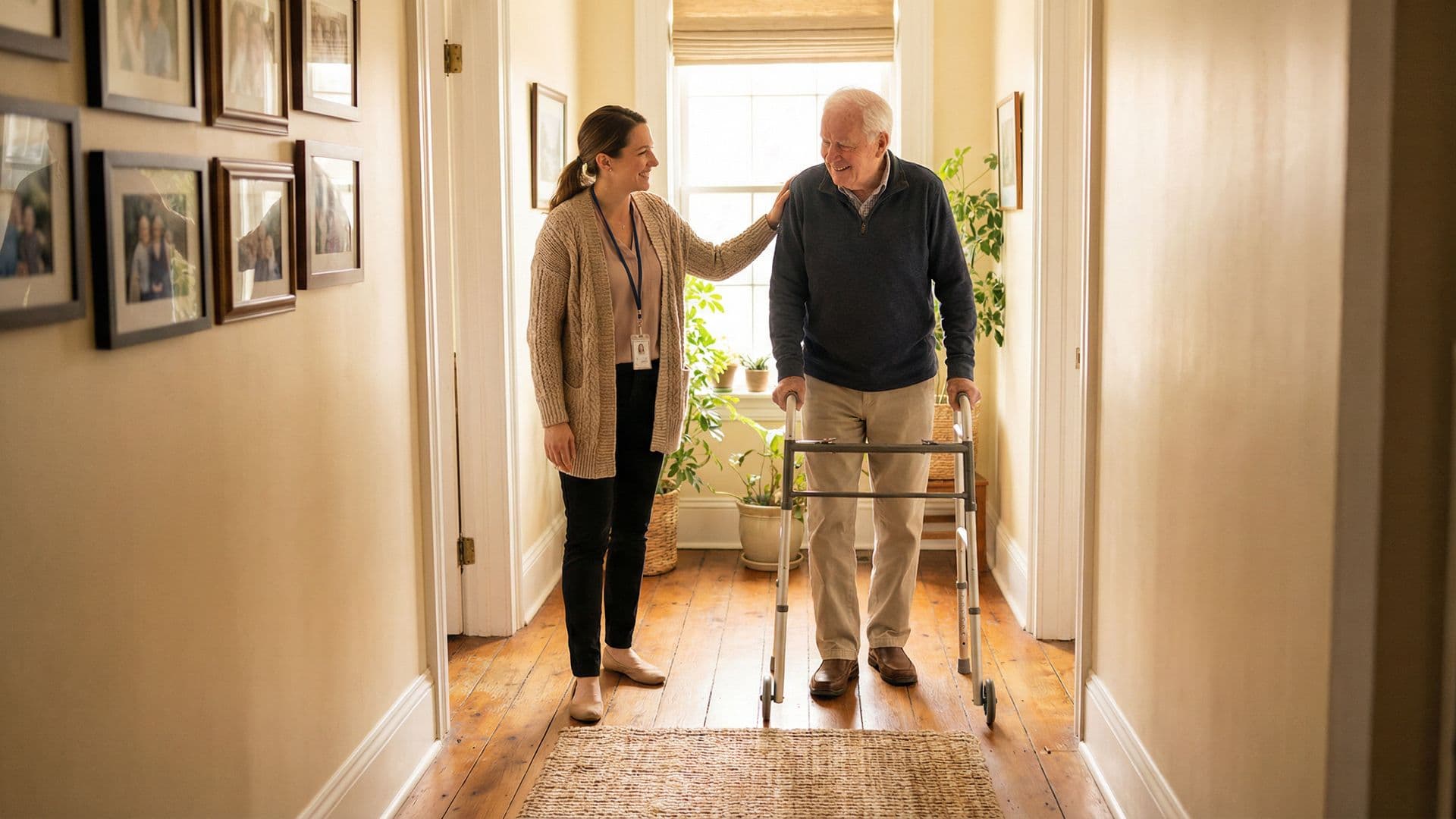
Physical Therapy
Our licensed physical therapists help restore activity, strength, and motion following illness, injury, or surgery with personalized treatment plans.
Learn moreGet help with colon cancer at home
Our experienced clinicians provide expert oncology care in the comfort of your home. Contact us today to discuss your needs.
For life-threatening emergencies, always call 911.