If this is a life-threatening emergency, call 911 immediately.
Chest pain, severe difficulty breathing, stroke symptoms, major bleeding, or loss of consciousness require emergency medical services. This page describes non-emergency care delivered at home by skilled nurses.
Understanding Cancer Care (General)
What you should know
Cancer treatment is among the most physically and emotionally demanding experiences a person can face. Between chemotherapy, radiation, surgery, and immunotherapy, patients deal with a cascade of side effects — nausea, fatigue, pain, immune suppression, poor nutrition, and emotional distress — that make leaving the house for routine care a significant burden.
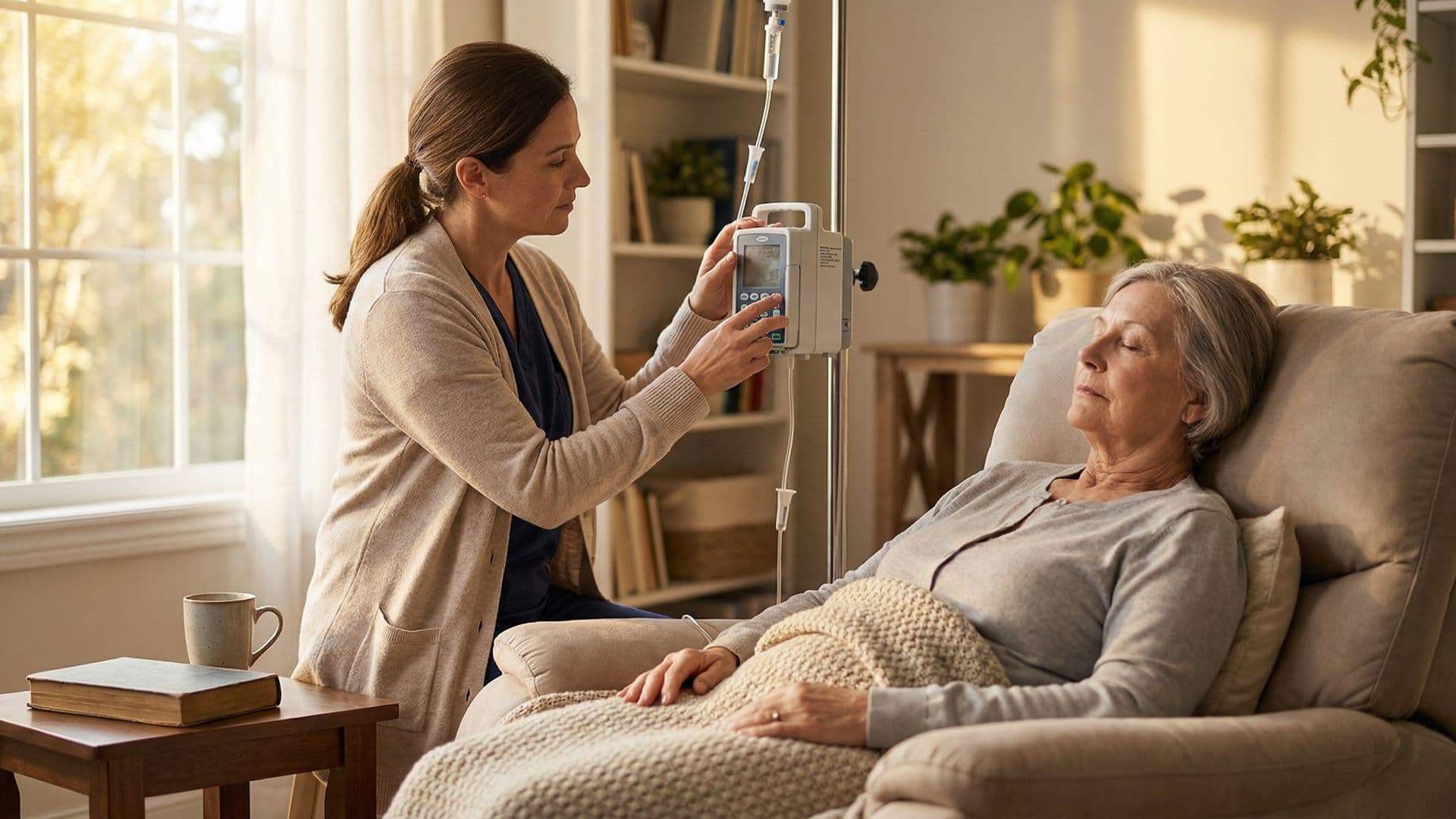
Home health brings the supportive care to you. Our nurses manage ports and central lines, administer certain chemotherapy and supportive infusions at home, monitor for treatment side effects, manage pain, and provide wound care after cancer surgery. We're not replacing your oncologist — we're extending their reach into your home during the times when you're too sick, too weak, or too immunocompromised to safely travel.
For patients in palliative or end-of-life stages, our team provides comfort-focused care that keeps patients at home with their families, managing symptoms and preserving quality of life.
Warning signs
You may need care if…
Your care plan
How we help at home
Expert care for cancer care (general),
delivered to your home
Our clinicians bring hospital-level expertise to the comfort and safety of where you live.
Common questions
Cancer Care (General) — Common Questions
Some chemotherapy agents can be administered at home by specially trained infusion nurses. This depends on the specific drug, the route of administration, and your oncologist's approval. Many supportive infusions (hydration, anti-nausea, blood products) are commonly given at home. Your oncology team determines what's appropriate.
We fill the gap between oncology appointments. Your oncologist sees you periodically, but our nurses are in your home regularly — monitoring for side effects, managing your port or central line, drawing labs, managing pain, and catching problems early. This reduces ER visits and helps you tolerate treatment better.
Related services
Services involved in your care
These are the clinical services our team may use when managing cancer care (general) at home.
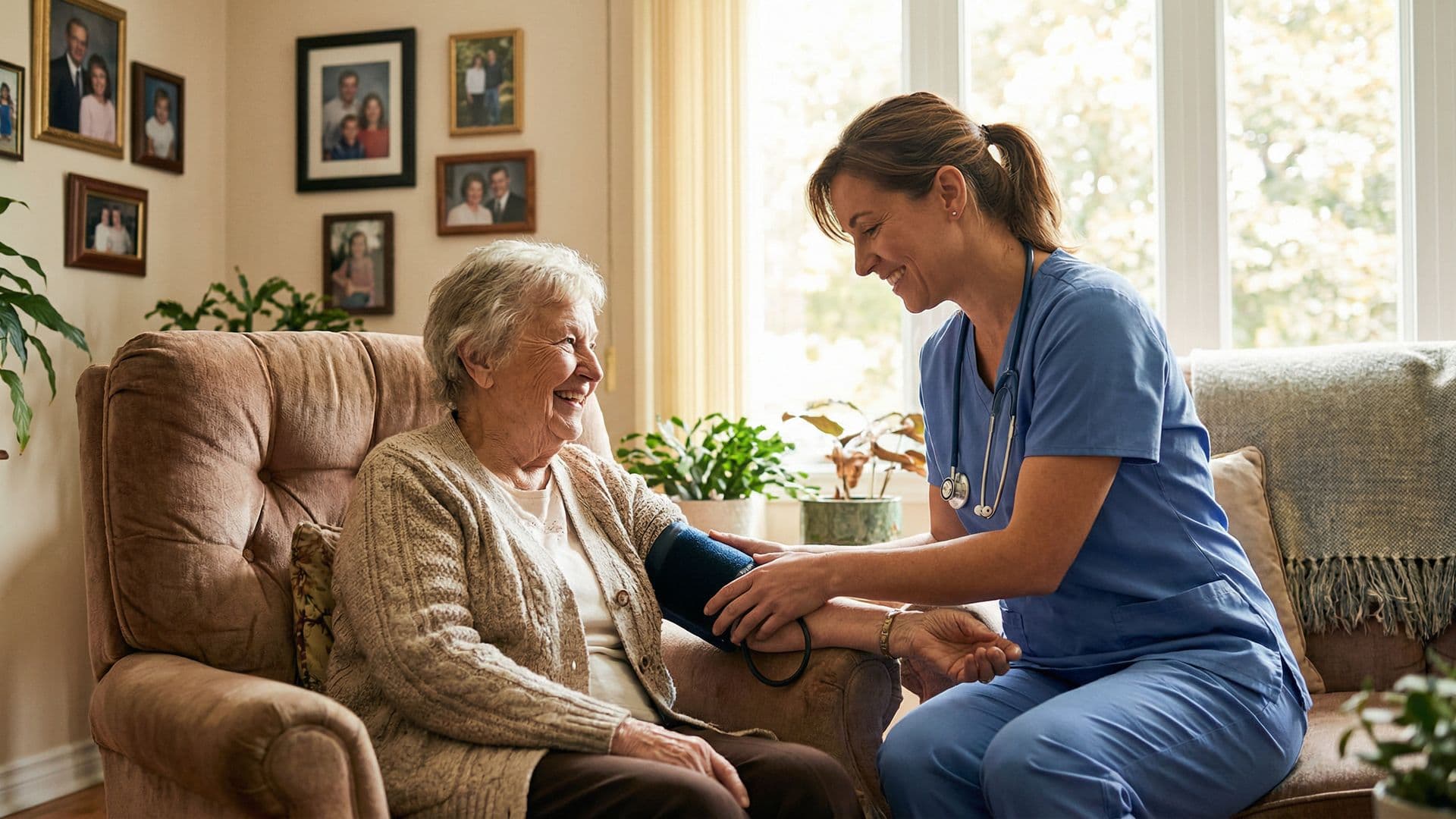
Skilled Nursing Care
Our registered nurses provide comprehensive medical care in the comfort of your home, ensuring safety, comfort, and optimal health outcomes.
Learn moreInfusion Services
Home-based intravenous therapy administered by specially trained nurses for various medical conditions.
Learn more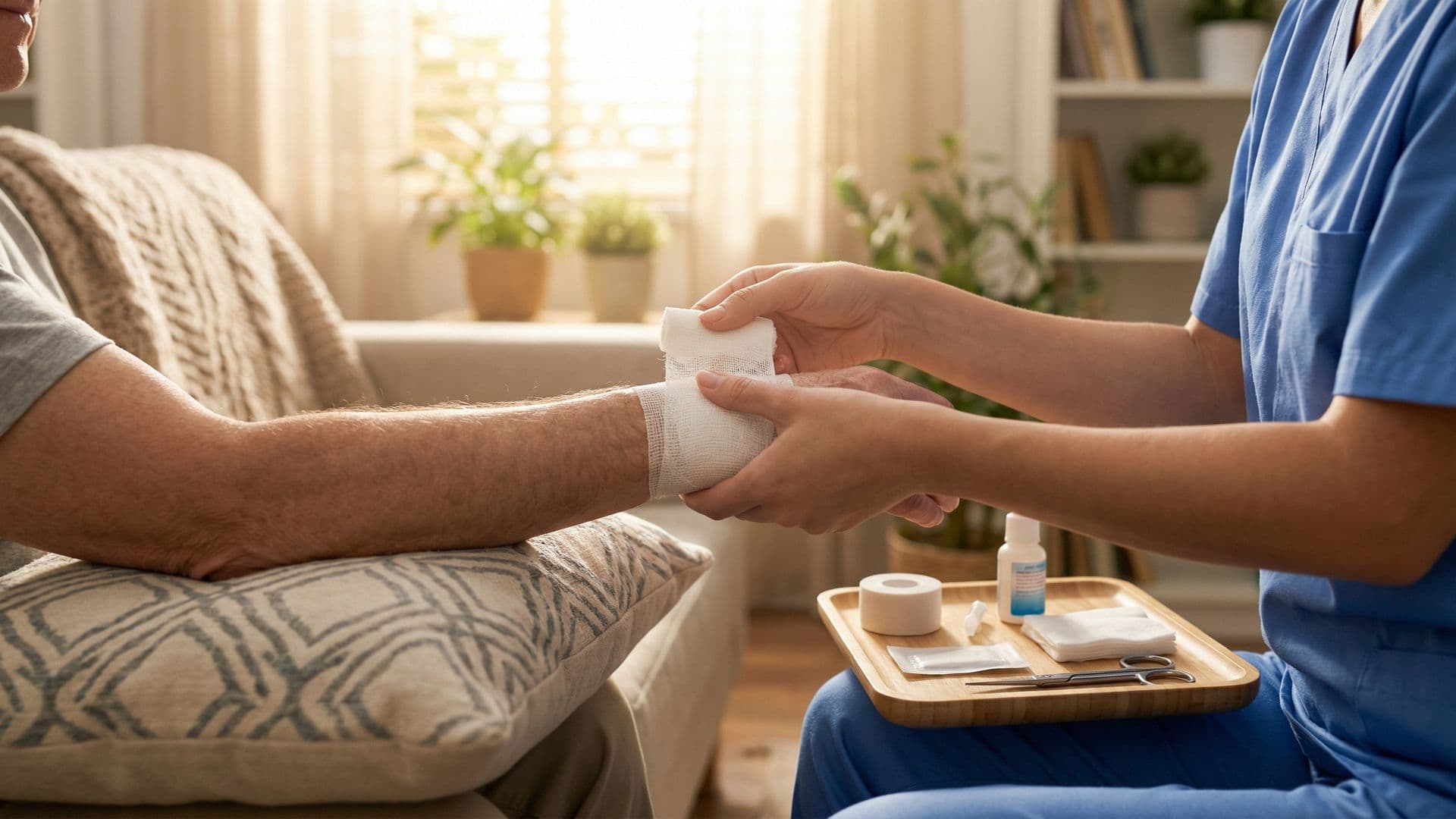
Wound Care
Specialized wound care management for chronic, surgical, and complex wounds using evidence-based treatment protocols.
Learn more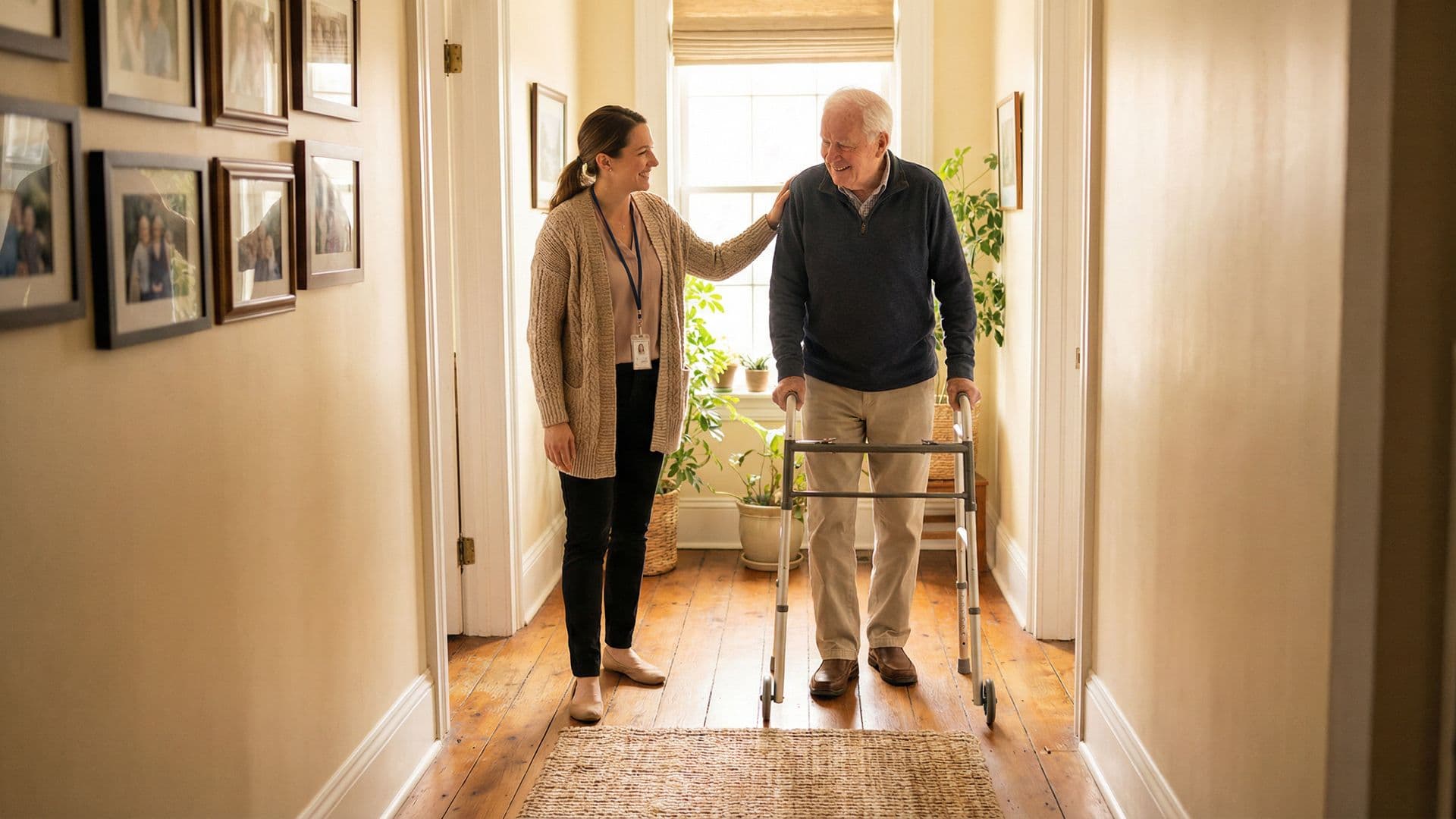
Physical Therapy
Our licensed physical therapists help restore activity, strength, and motion following illness, injury, or surgery with personalized treatment plans.
Learn moreGet help with cancer care (general) at home
Our experienced clinicians provide expert oncology care in the comfort of your home. Contact us today to discuss your needs.
For life-threatening emergencies, always call 911.