If this is a life-threatening emergency, call 911 immediately.
Chest pain, severe difficulty breathing, stroke symptoms, major bleeding, or loss of consciousness require emergency medical services. This page describes non-emergency care delivered at home by skilled nurses.
Understanding Esophageal Cancer
What you should know
Esophageal cancer affects the tube that connects the throat to the stomach. Because the esophagus is essential for swallowing, patients often face significant nutritional challenges — difficulty swallowing (dysphagia), weight loss, and malnutrition. Many patients require feeding tubes (G-tubes or J-tubes) to maintain nutrition during and after treatment.
Treatment typically involves surgery, chemotherapy, radiation, or a combination. After esophageal surgery (esophagectomy), the recovery is complex — patients need careful wound management, feeding tube care, gradual dietary progression, and monitoring for surgical complications.
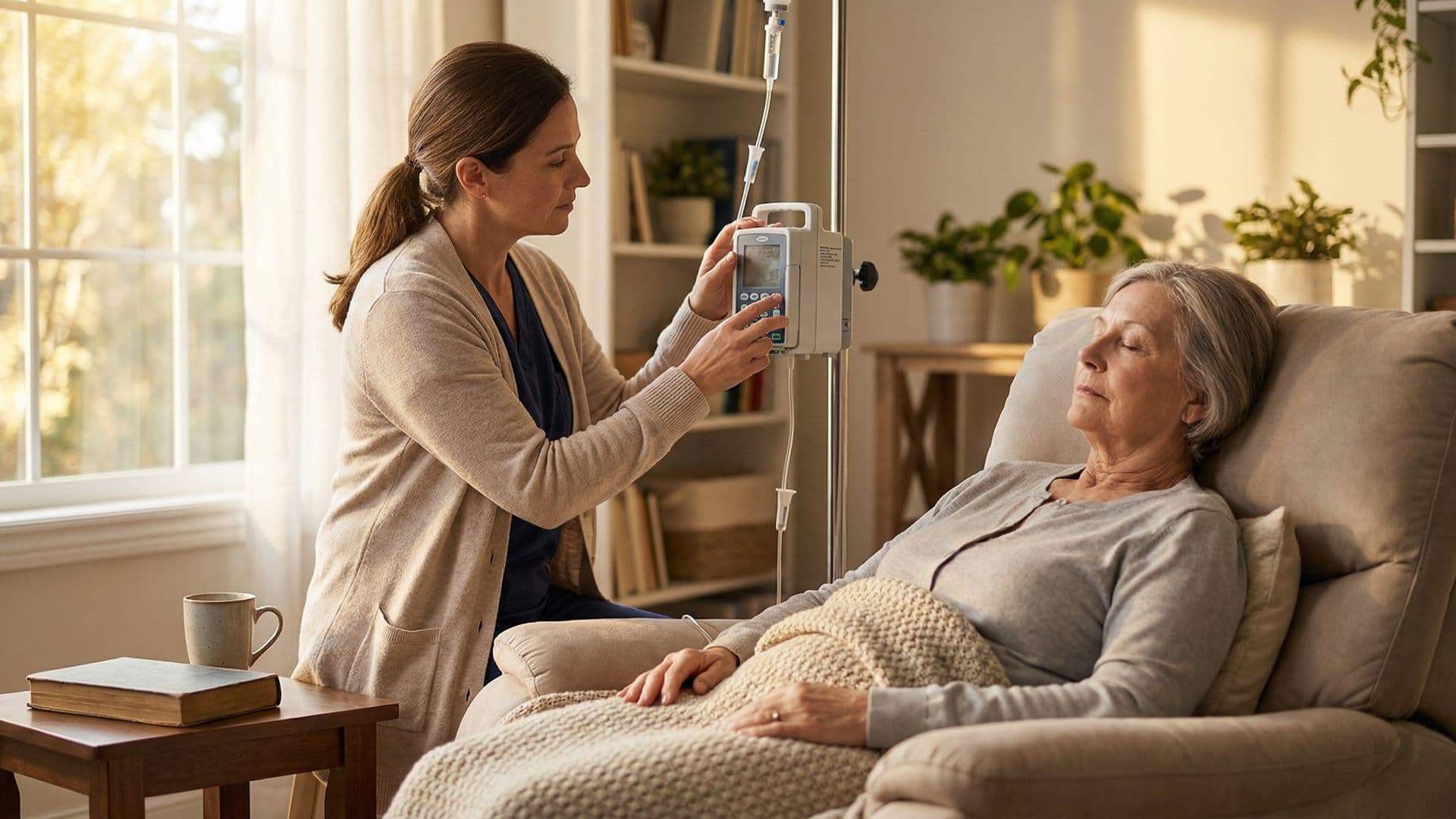
Our team provides feeding tube management, nutritional monitoring, post-surgical wound care, central line management for chemotherapy, and speech therapy for swallowing rehabilitation. We help patients maintain nutrition and strength through a treatment process that directly attacks their ability to eat.
Warning signs
You may need care if…
Your care plan
How we help at home
Expert care for esophageal cancer,
delivered to your home
Our clinicians bring hospital-level expertise to the comfort and safety of where you live.
Common questions
Esophageal Cancer — Common Questions
It depends on the extent of treatment and recovery. Some patients use feeding tubes temporarily during treatment and transition back to oral eating as they heal. Others with significant esophageal damage may need long-term tube feeding supplementation. Speech therapists assess swallowing function to guide the transition back to oral intake when possible.
Many patients with feeding tubes can still eat some food by mouth — the tube supplements what they can't get orally. Our speech therapists determine what textures and volumes are safe to eat based on swallowing assessments, and our nurses ensure the tube feeding formula meets remaining nutritional needs.
Related services
Services involved in your care
These are the clinical services our team may use when managing esophageal cancer at home.
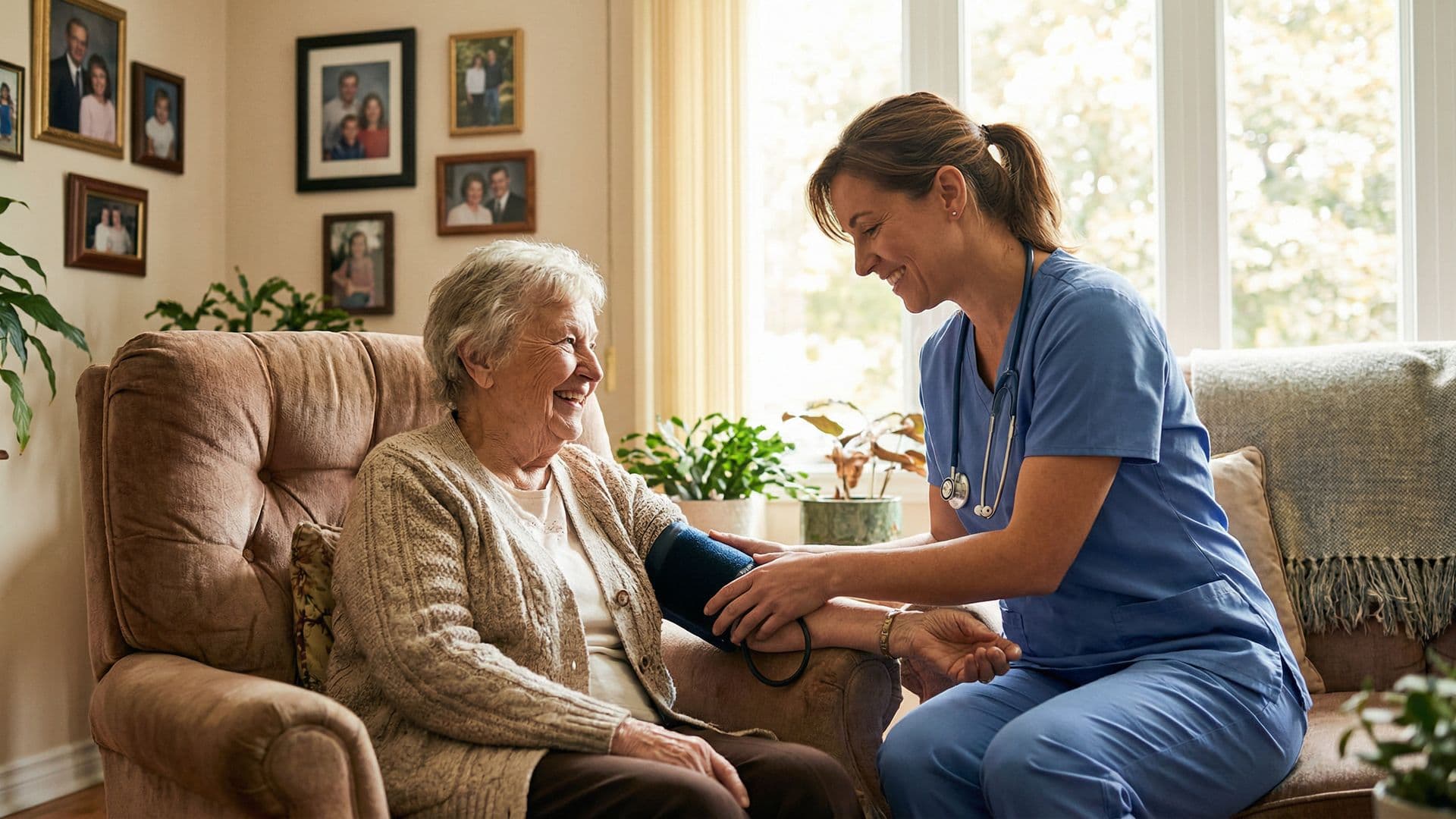
Skilled Nursing Care
Our registered nurses provide comprehensive medical care in the comfort of your home, ensuring safety, comfort, and optimal health outcomes.
Learn moreInfusion Services
Home-based intravenous therapy administered by specially trained nurses for various medical conditions.
Learn more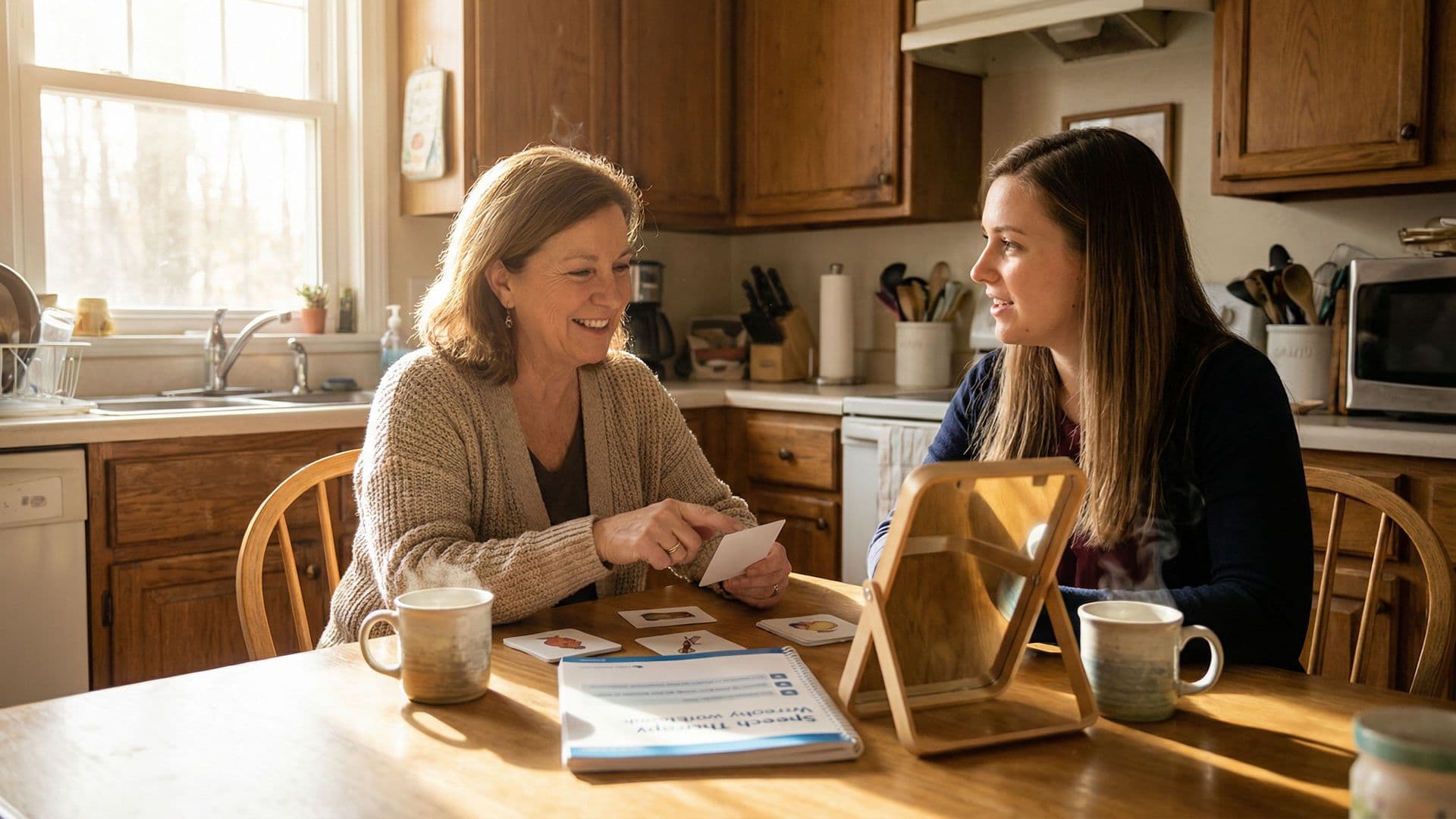
Speech Therapy
Expert speech-language pathologists treating communication and swallowing disorders to improve quality of life.
Learn more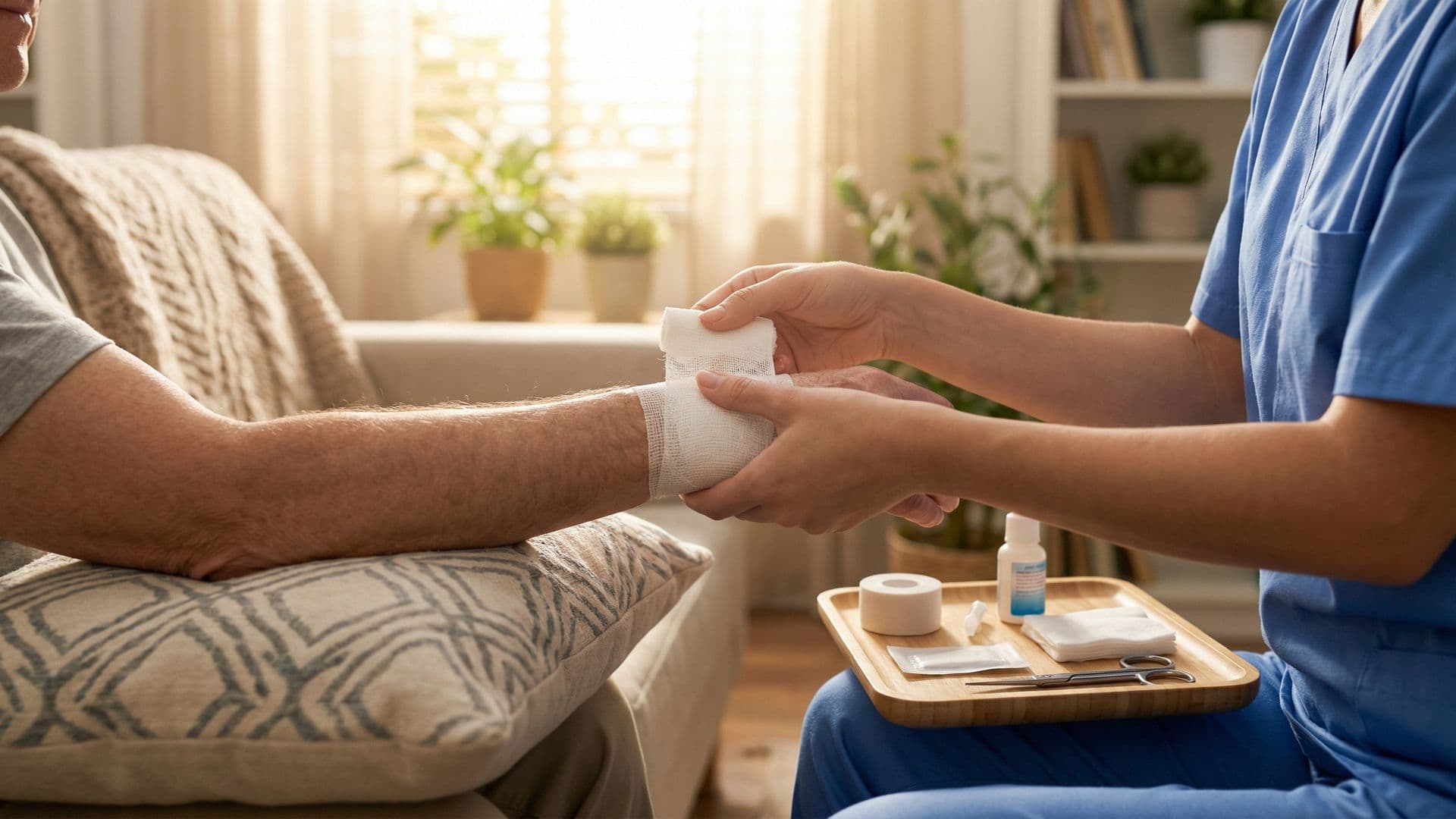
Wound Care
Specialized wound care management for chronic, surgical, and complex wounds using evidence-based treatment protocols.
Learn moreGet help with esophageal cancer at home
Our experienced clinicians provide expert oncology care in the comfort of your home. Contact us today to discuss your needs.
For life-threatening emergencies, always call 911.