If this is a life-threatening emergency, call 911 immediately.
Chest pain, severe difficulty breathing, stroke symptoms, major bleeding, or loss of consciousness require emergency medical services. This page describes non-emergency care delivered at home by skilled nurses.

Understanding Prostate Cancer
What you should know
Prostate cancer is the most common cancer in men. Treatment options range from active surveillance (watching carefully) to surgery (radical prostatectomy), radiation therapy, hormone therapy, and chemotherapy. The most common side effects that require home health support are urinary incontinence and catheter management after prostatectomy.
After a prostatectomy, patients typically go home with a urinary catheter for 1–2 weeks while the surgical connection heals. Proper catheter care prevents infection and ensures comfort. After catheter removal, many men experience temporary urinary incontinence that improves with pelvic floor exercises (Kegels) — our therapists provide structured pelvic floor rehabilitation.
For patients on hormone therapy or chemotherapy, our nurses manage side effects, monitor labs, and provide the supportive care that helps patients tolerate treatment.
Warning signs
You may need care if…
Your care plan
How we help at home
Expert care for prostate cancer,
delivered to your home
Our clinicians bring hospital-level expertise to the comfort and safety of where you live.
Common questions
Prostate Cancer — Common Questions
Most men experience some degree of incontinence immediately after catheter removal. With pelvic floor exercises, most men see significant improvement within 3–6 months, and many regain full continence within a year. Starting pelvic floor therapy early produces the best outcomes — our therapists begin training even before the catheter is removed.
Catheter removal is typically done at the surgeon's office, but in some cases, our nurses can remove catheters at home per physician order. This saves a trip to the office, which is especially valuable when patients are still recovering from surgery and find travel uncomfortable.
Related services
Services involved in your care
These are the clinical services our team may use when managing prostate cancer at home.
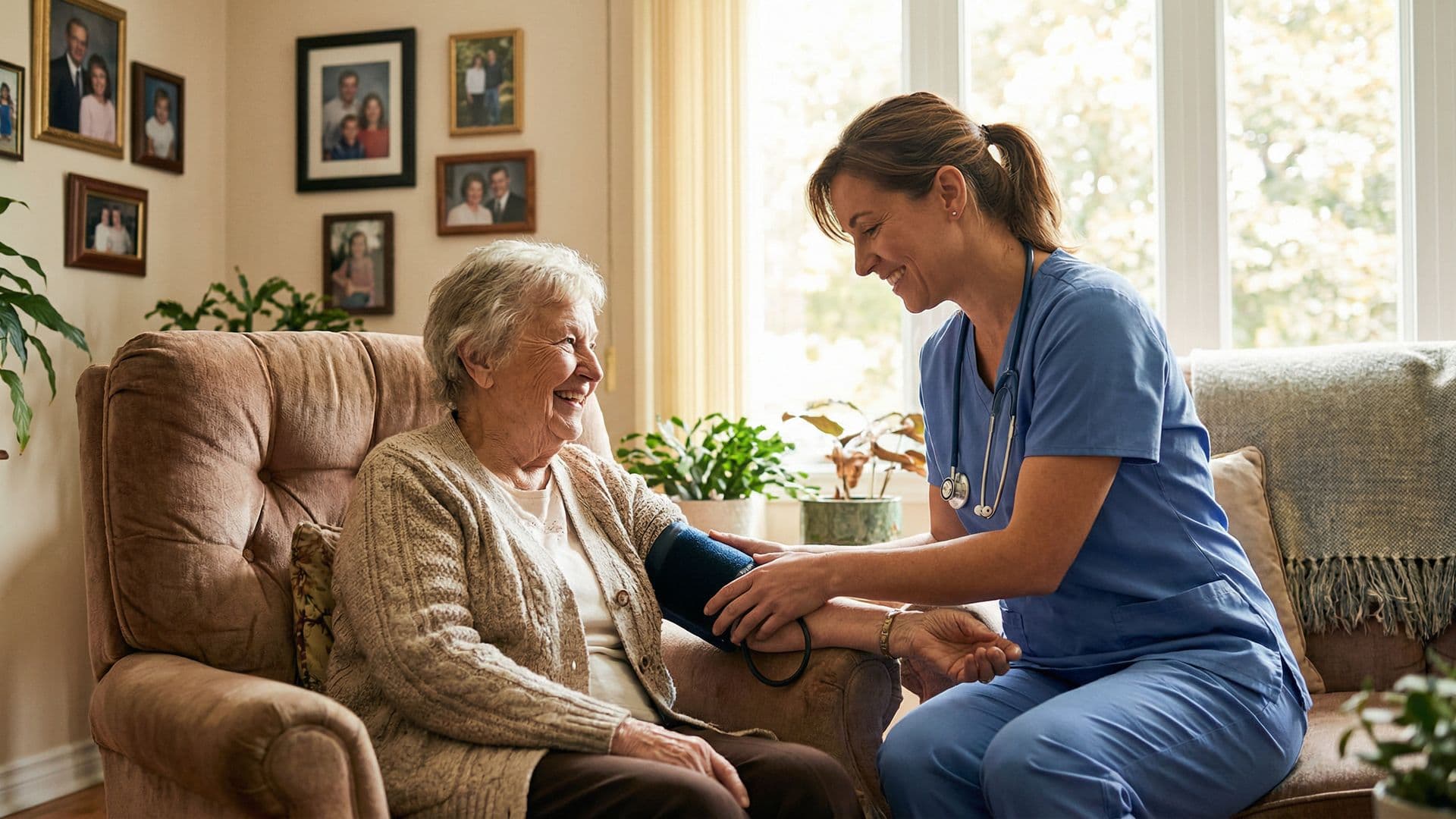
Skilled Nursing Care
Our registered nurses provide comprehensive medical care in the comfort of your home, ensuring safety, comfort, and optimal health outcomes.
Learn more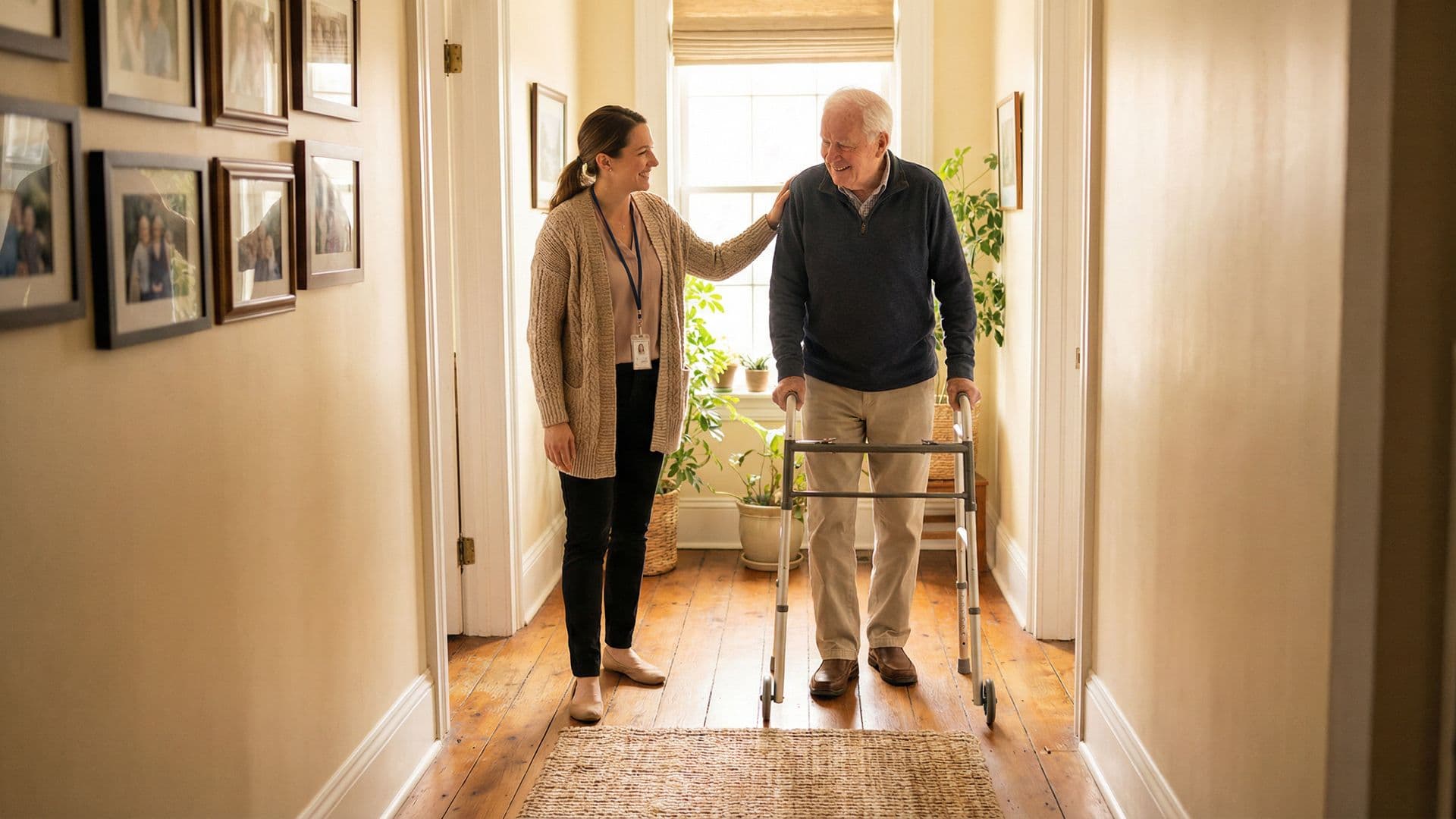
Physical Therapy
Our licensed physical therapists help restore activity, strength, and motion following illness, injury, or surgery with personalized treatment plans.
Learn more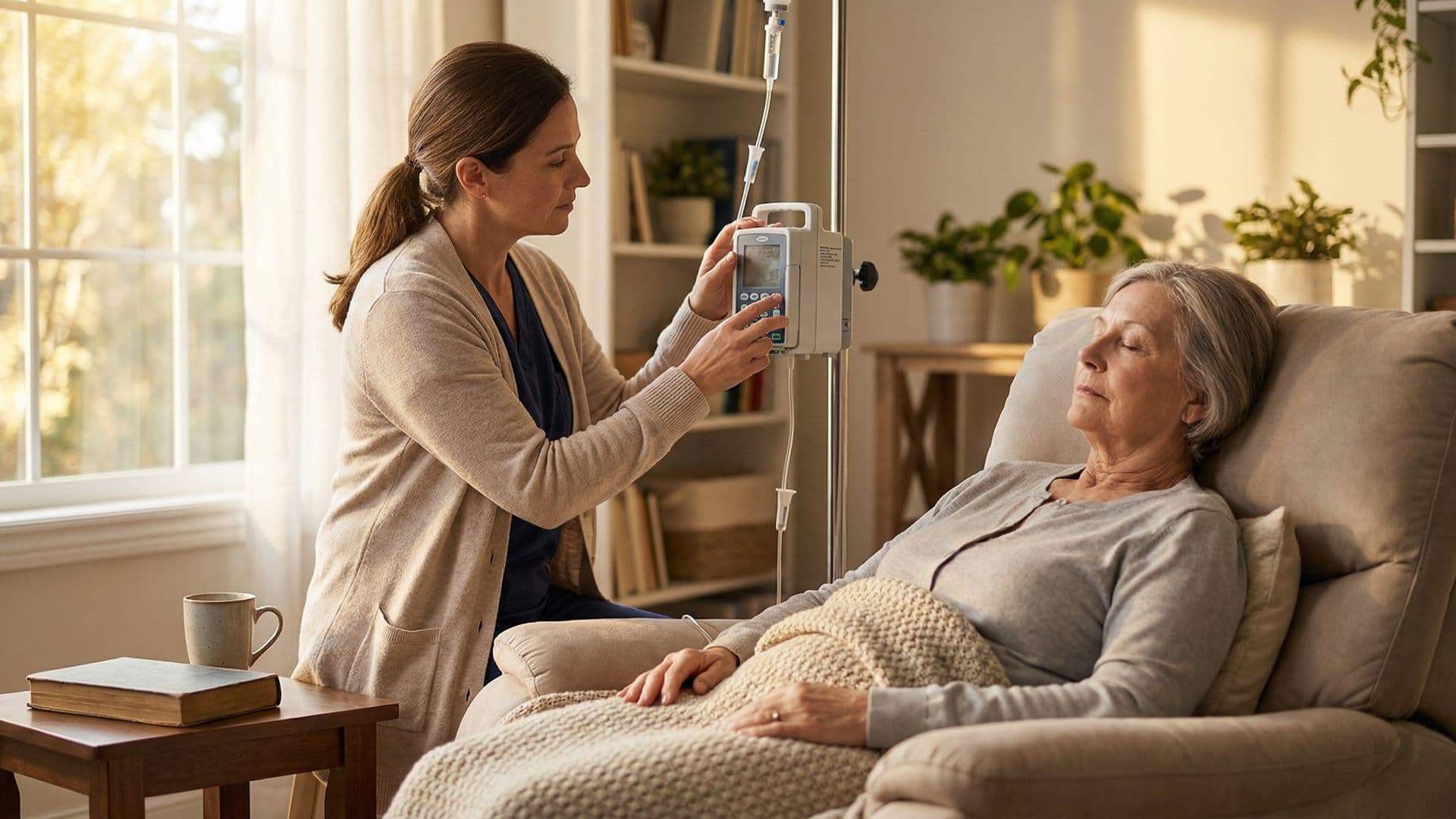
Infusion Services
Home-based intravenous therapy administered by specially trained nurses for various medical conditions.
Learn moreGet help with prostate cancer at home
Our experienced clinicians provide expert oncology care in the comfort of your home. Contact us today to discuss your needs.
For life-threatening emergencies, always call 911.